Q-Switch Laser in Apgujeong, Gangnam Seoul
Board-Certified Dermatologist Top 2% in Korea 13+ Years
Q-Switch Laser · quick answer
What a Q-switch laser does, in one paragraph
A Q-switched laser fires extremely short, high-power pulses lasting billionths of a second. Pigment such as melanin or tattoo ink absorbs the energy and shatters into fine particles that the body clears over the following weeks, while surrounding skin is largely spared. It is used for freckles, sun spots, some pigmented birthmarks and tattoos, and at low energy for laser toning. At Ever Skin Clinic in Apgujeong, a board-certified dermatologist diagnoses the pigment first, because different spots need different settings.
Medically reviewed by Dr. Jieun Kim, M.D. Founder & Director, board-certified dermatologist. Dermatology residency at Hanyang University Hospital; adjunct professor, Hanyang University College of Medicine. Meet our dermatologists Last reviewed October 2026
- Technology
- Q-switched laser, commonly Nd:YAG 1064 nm and 532 nm
- Best for
- Freckles, sun spots, nevus of Ota, tattoos, uneven tone (toning)
- Sessions
- Spots often 1 to 3; toning and birthmarks 5 to 10 or more
- Treatment time
- About 10 to 20 minutes
- Downtime
- None for toning; small dark crusts for about 5 to 7 days after spot treatment
The treatment
What is a Q-switch laser?
"Q-switching" is the technology that stores laser energy and releases it in a single nanosecond pulse. That speed creates a photoacoustic effect that breaks pigment apart rather than just heating it. The 532 nm wavelength targets superficial brown spots, while 1064 nm reaches deeper pigment and is safer for darker skin.
Used at high energy on individual lesions, it removes spots; used at low energy across the whole face, it becomes laser toning for uneven tone. Newer pico lasers use even shorter pulses and are an alternative for some patients.
Common uses
- Freckles and sun spots (solar lentigines)
- Pigmented birthmarks such as nevus of Ota and Hori's nevus
- Tattoo removal , especially black and blue ink
- Laser toning for dull, uneven tone
- Melasma — only as cautious, low-energy toning alongside topicals
Is it right for you?
Who is a good candidate?
Good candidates have flat brown spots, pigment-type birthmarks or tattoos that a dermatologist has diagnosed. Melasma is handled differently: strong spot treatment can make it worse, so it is treated with gentle toning and home care, as explained on our melasma treatment page.
Darker skin can be treated with 1064 nm and conservative settings, with a higher chance of temporary darkening afterwards.
A Q-switch laser may suit you if you have
- Freckles or sun spots on the face or hands
- A pigmented birthmark such as nevus of Ota
- A tattoo you want to fade or remove
- Dull, uneven tone suitable for toning
- Time to avoid strong sun during treatment
Your visit
What happens during treatment
Sessions are short; toning takes about 10 minutes, and spot or birthmark treatment about 15 to 20 minutes plus numbing.
- Diagnosis A board-certified dermatologist identifies each type of pigment and decides which spots to treat.
- Preparation The face is cleansed, eyes protected and numbing cream applied for spot treatment if needed.
- Laser Pulses are applied to spots or across the face; you feel snapping or a light flicking sensation.
- Aftercare We cool the skin, apply ointment or sunscreen and plan follow-up sessions.
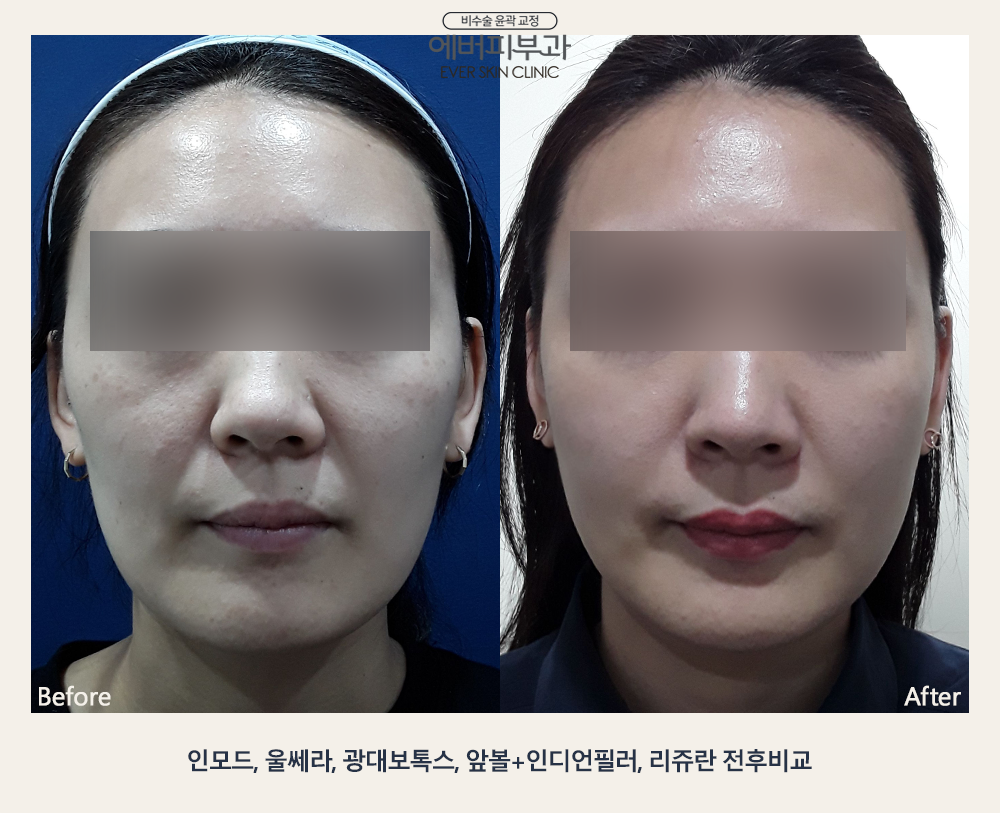
Real patient · before & after
An example of our non-surgical results
This case shows a combined lifting and skin program and is included only as an example of our non-surgical work; it is not a Q-switch laser result.
Pigment results depend on the type of spot and your skin type, so ask us for pigment-specific cases at consultation.
Photos are shared with the patient's consent and are not retouched apart from privacy blurring. Results differ from person to person and are not guaranteed.
See more before & after photosRecovery & safety
Recovery, side effects and aftercare
After toning there is usually only brief redness. After spot treatment, spots turn whitish then darker and form thin crusts that shed in about 5 to 7 days. Temporary post-inflammatory darkening is the most common side effect, especially on darker skin, and usually fades over weeks to months; lightening, blistering or recurrence of spots can also occur.
Tell your dermatologist if you are pregnant, have recently tanned, use isotretinoin or photosensitising medicines, have a history of keloids, or if a spot has recently changed in size, colour or shape.
Aftercare tips
- Apply the recommended ointment to treated spots until crusts shed
- Use SPF 50 daily and avoid direct sun for several weeks
- Do not pick or scrub crusts
- Avoid retinoids and acids for about a week
- Cover with make-up only after crusts have shed, or as advised
Questions we hear every day
Q-Switch Laser FAQ
Does Q-switch laser treatment hurt?
Toning feels like light flicking and is usually done without numbing. Spot and tattoo treatment feels sharper, like a rubber band snap, so numbing cream and cooling are used. The discomfort lasts only a few minutes.
How many sessions do I need?
Simple freckles and sun spots often clear in 1 to 3 sessions. Toning programs and birthmarks such as nevus of Ota usually need around 5 to 10 or more, spaced weeks apart. Your dermatologist will advise after diagnosis.
Can a Q-switch laser treat melasma?
Only cautiously. High-energy treatment can worsen melasma, so it is used as low-energy toning combined with topicals and sun protection. Melasma often recurs, so maintenance is usually needed.
Can I have a Q-switch laser during a short trip?
Toning has essentially no downtime. Spot treatment leaves small dark crusts for about a week, which most visitors cover with a plaster or simply accept. Plan strict sun protection, especially if travelling somewhere sunny.
Q-switch or pico laser: which is better?
Both shatter pigment. Pico lasers use shorter pulses, which may clear some tattoo inks and pigment in fewer sessions, while Q-switched lasers remain effective and well established. Your dermatologist chooses based on the pigment type and your skin.
Talk to a board-certified dermatologist in Apgujeong
Send us your skin concern and photos on WhatsApp. An English-speaking team member will reply and arrange your consultation.
Mon & Thu 10:00–19:00 · Tue & Fri 10:00–20:00 · Sat 10:00–16:00 · Closed Wed, Sun & holidays