
Microdermabrasion in Apgujeong, Gangnam Seoul
Board-Certified Dermatologist Top 2% in Korea 13+ Years
Microdermabrasion · quick answer
What microdermabrasion does, in one paragraph
Microdermabrasion is a non-invasive mechanical exfoliation that removes the outermost layer of dead skin cells using fine crystals or a textured tip, with suction to carry away the debris. It can make dull, rough or sun-exposed skin look smoother and more even, and repeated sessions may soften very fine lines and shallow marks. At Ever Skin Clinic in Apgujeong, a board-certified dermatologist checks whether microdermabrasion suits your skin, or whether a peel, laser or other treatment would address your concern better.
Medically reviewed by Dr. Jieun Kim, M.D. Founder & Director, board-certified dermatologist. Dermatology residency at Hanyang University Hospital; adjunct professor, Hanyang University College of Medicine. Meet our dermatologists Last reviewed October 2026
- Technology
- Crystal or tip-based mechanical exfoliation with suction
- Best for
- Dullness, rough texture, mild sun damage, very shallow marks
- Session time
- About 30 minutes
- Downtime
- Mild redness for a few hours
- Course
- Often 5 or more sessions 1 to 2 weeks apart, then maintenance
The treatment
What is microdermabrasion?
In classic crystal microdermabrasion, a handpiece sprays very fine crystals across the skin and a vacuum immediately draws them back up together with loosened dead cells. Tip-based versions use a textured head instead, such as the diamond peel facial. Either way, only the top layer of the epidermis is treated, which is why downtime is short.
Removing this layer makes the surface feel smoother and look brighter, and regular sessions may encourage mild skin renewal. It is a surface treatment, though, so deeper wrinkles and scars generally need options such as fractional laser or microneedling.
What microdermabrasion can and cannot do
- Can smooth rough, flaky or dull skin
- Can soften the look of mild sun damage and uneven tone
- Can help skincare products spread and absorb more evenly
- Cannot remove deep wrinkles, deep acne scars or melasma
- Cannot permanently shrink pores
Is it right for you?
Who is a good candidate?
Microdermabrasion suits most skin types who want gentle resurfacing with almost no downtime, including people with dull or rough skin, mild sun damage, or very shallow marks left by healed acne. It can also be used on the neck, chest and hands.
It is not ideal for active inflamed acne, rosacea, very sensitive skin or skin that is prone to broken capillaries. In those cases your dermatologist may suggest a gentler option such as HydraFacial or a treatment aimed at the underlying condition.
Microdermabrasion may help if you want to
- Refresh a dull, tired-looking complexion
- Smooth rough or uneven texture
- Soften the look of mild sun damage
- Maintain smoother skin between laser treatments
- Treat the neck, chest or hands as well as the face
Your visit
What happens during treatment
A session takes about 30 minutes and no numbing is needed.
- Assessment A dermatologist reviews your skin and agrees the areas and intensity with you.
- Cleansing The skin is cleansed so the exfoliation is even.
- Exfoliation The handpiece is passed over each area in overlapping strokes, with suction removing crystals and dead cells.
- Calming A soothing moisturiser and sunscreen are applied, and we explain aftercare.
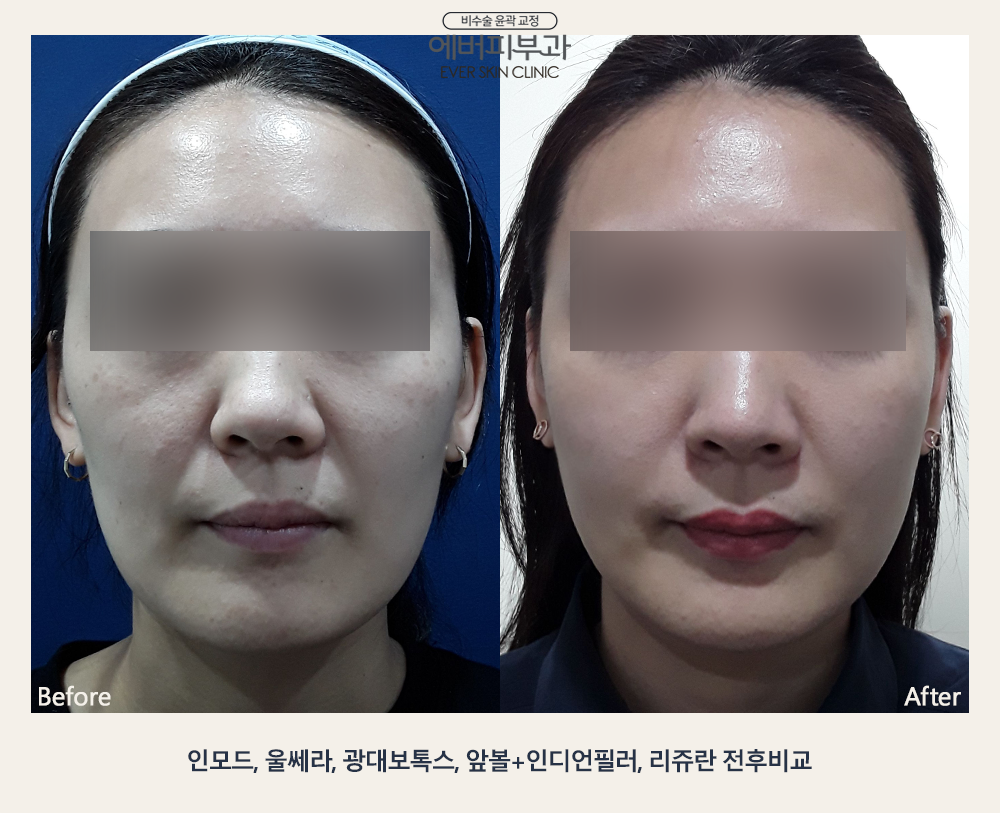
Real patient · before & after
An example of a full-face skin plan
This case shows a combined lifting and skin program, shown as an example of our non-surgical results; it is not a microdermabrasion result.
Microdermabrasion produces subtle surface changes. Ask us at consultation which treatments are most likely to help your particular concern.
Photos are shared with the patient's consent and are not retouched apart from privacy blurring. Results differ from person to person and are not guaranteed.
See more before & after photosRecovery & safety
Recovery, side effects and aftercare
Mild redness, tightness or a light sunburn-like feeling is common and usually fades within a few hours. Less often, over-treatment can cause scrapes, small bruises from suction, or temporary darkening of the skin, particularly in darker skin tones, so settings are adjusted to your skin.
Tell your dermatologist before treatment if you take or recently took isotretinoin, use strong retinoids or acids, have active acne, rosacea, eczema, a cold sore or infection, a tendency to keloids, or have sunburn.
Aftercare tips
- Moisturise well for a few days
- Use broad-spectrum sunscreen every day
- Pause retinoids and exfoliating acids for 2 to 3 days
- Avoid saunas and swimming pools on the day
- Do not scrub or exfoliate at home for a week
Questions we hear every day
Microdermabrasion FAQ
Does microdermabrasion hurt?
It is generally comfortable. Most people feel a light sanding or scratching sensation with suction, and no anaesthetic is needed. Bony or thin-skinned areas can feel slightly more sensitive, and the intensity can be reduced if needed.
How many sessions will I need?
One session leaves skin smoother for a few weeks. For more noticeable change in texture or tone, a series of about five or more sessions one to two weeks apart is common, followed by maintenance every four to six weeks. Your dermatologist will tailor the plan.
Can microdermabrasion remove acne scars?
It can soften very shallow marks and uneven surface texture, but it does not reach deep enough to treat rolling, boxcar or icepick scars. For those, treatments such as microneedling, subcision or fractional laser are usually more effective.
What is the difference between microdermabrasion and a diamond peel?
Both are mechanical exfoliation with suction. Crystal microdermabrasion uses fine particles sprayed onto the skin, while a diamond peel uses a diamond-coated tip and often adds serum infusion. Your dermatologist will choose based on your skin.
Can I have it while visiting Seoul?
Yes. With only a few hours of mild redness, microdermabrasion fits easily into a short trip. Use sunscreen afterwards, especially if you will be sightseeing outdoors.
Talk to a board-certified dermatologist in Apgujeong
Send us your skin concern and photos on WhatsApp. An English-speaking team member will reply and arrange your consultation.
Mon & Thu 10:00–19:00 · Tue & Fri 10:00–20:00 · Sat 10:00–16:00 · Closed Wed, Sun & holidays