PRP Skin Therapy in Apgujeong, Gangnam Seoul
Board-Certified Dermatologist Top 2% in Korea 13+ Years
PRP Therapy · quick answer
What PRP skin therapy does, in one paragraph
PRP (platelet-rich plasma) therapy uses a concentrate of platelets prepared from a small sample of your own blood. Platelets release growth factors that support healing, so when PRP is injected into the skin or applied with microneedling it can gradually improve texture, fine lines, thin under-eye skin and shallow acne scars. At Ever Skin Clinic in Apgujeong, a board-certified dermatologist assesses your skin and decides how PRP should be delivered and whether to combine it with other treatments.
Medically reviewed by Dr. Jieun Kim, M.D. Founder & Director, board-certified dermatologist. Dermatology residency at Hanyang University Hospital; adjunct professor, Hanyang University College of Medicine. Meet our dermatologists Last reviewed October 2026
- Source
- Platelet-rich plasma from your own blood
- Best for
- Texture, fine lines, thin under-eye skin, shallow acne scars
- Treatment time
- About 60 to 90 minutes including preparation
- Downtime
- Redness, swelling or bruising, usually 1 to 3 days
- Course
- Often around 3 sessions, about 4 weeks apart
The treatment
What is PRP therapy for skin?
A small tube of blood is drawn and spun in a centrifuge to separate a plasma layer rich in platelets. These platelets release growth factors involved in tissue repair and collagen production. Because it comes from your own body, PRP is an option for patients who prefer an autologous treatment, although results are gradual and vary between individuals.
This page covers PRP for the face. For thinning hair see PRP hair therapy, and for scarring see PRP for scars.
How PRP can be delivered
- Micro-injections across the face or under the eyes
- With microneedling , applied into fresh micro-channels
- After fractional laser to support recovery
- Into scars alongside subcision or resurfacing
Is it right for you?
Who is a good candidate?
PRP suits healthy adults with early signs of ageing, dull or crepey skin, thin skin under the eyes or shallow acne scars who prefer a treatment based on their own blood. It works best as part of a course and is often combined with lasers or microneedling.
It is less suitable if you have a blood or platelet disorder, take anticoagulants, or have anaemia. Patients who want a ready-made product with no blood draw may prefer exosome therapy or Rejuran.
PRP may suit you if you want to
- Improve skin texture and tone gradually
- Soften fine lines and crepey skin
- Treat thin or tired-looking under-eye skin
- Improve shallow acne scars with other treatments
- Use a treatment derived from your own blood
Your visit
What happens during treatment
Plan for about 60 to 90 minutes in clinic, including the blood draw, preparation and numbing.
- Consultation A board-certified dermatologist examines your skin, reviews your health and medications, and agrees the plan.
- Blood draw and preparation A small amount of blood is drawn and spun in a centrifuge to concentrate the platelets while numbing cream works.
- Application PRP is injected in small amounts or applied with microneedling across the treatment area.
- Aftercare We cool and soothe the skin, explain aftercare and schedule further sessions if planned.
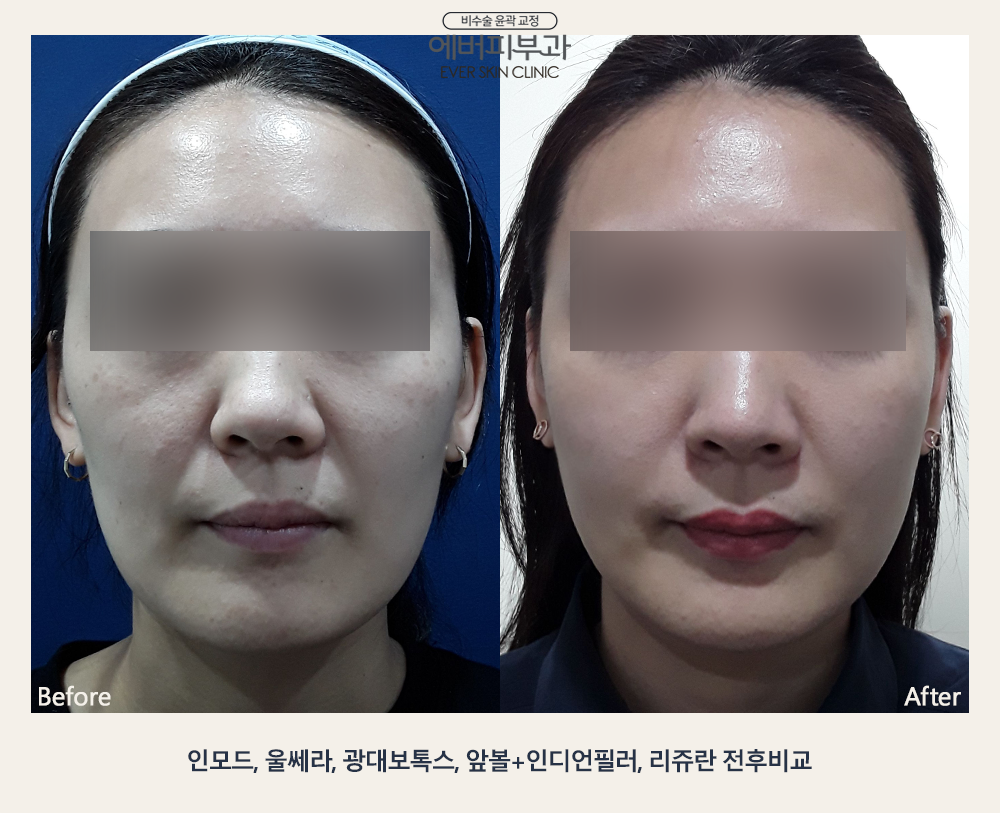
Real patient · before & after
An example of a combined skin plan
This case shows a combined lifting, contouring and skin booster program, shown as an example of our non-surgical results. It is not a PRP result, and the change reflects the whole plan.
PRP improvements in texture and skin quality build gradually and vary between patients. Ask us for PRP-specific cases at consultation.
Photos are shared with the patient's consent and are not retouched apart from privacy blurring. Results differ from person to person and are not guaranteed.
See more before & after photosRecovery & safety
Recovery, side effects and aftercare
Redness, swelling, small bumps and bruising are common, especially under the eyes, and usually settle within one to three days, though bruises can take up to a week. Because PRP comes from your own blood, allergic reactions are unlikely, but infection and bruising are still possible.
Tell your dermatologist if you have a blood clotting or platelet disorder, anaemia, an active infection or cancer, take blood thinners or regular anti-inflammatories, or are pregnant or breastfeeding. Avoiding anti-inflammatory painkillers around treatment may be advised.
Aftercare tips
- Avoid make-up for the rest of the day
- Skip saunas, hot baths and intense exercise for 2 to 3 days
- Avoid alcohol for a day or two to limit bruising
- Use cool compresses gently for swelling
- Apply sunscreen daily while the skin settles
Questions we hear every day
PRP Therapy FAQ
Does PRP therapy hurt?
There is a brief pinch during the blood draw. Numbing cream is applied before injections or microneedling, so most patients feel pressure and mild stinging. The under-eye area can feel more sensitive, and your dermatologist can adjust the technique for comfort.
How many PRP sessions will I need?
A common plan is about three sessions roughly four weeks apart, followed by maintenance once or twice a year. The number depends on your concern and how your skin responds, which your dermatologist will review.
When will I see results from PRP?
Skin may look fresher within a week or two, but improvements in texture and fine lines build gradually over two to three months as collagen remodels. Results vary and are not permanent, so maintenance is usually needed.
Is PRP better than skin boosters like Rejuran?
Neither is universally better. PRP uses growth factors from your own blood, while Rejuran uses purified polynucleotides. Rejuran gives more predictable product dosing; PRP appeals to those who prefer an autologous option. Your dermatologist can explain which fits your skin.
Can I do PRP during a short visit to Seoul?
Yes, if you allow for some downtime. Redness and swelling usually settle in one to three days, but bruising, especially under the eyes, can last up to a week. Schedule PRP early in your trip if you have events planned.
Talk to a board-certified dermatologist in Apgujeong
Send us your skin concern and photos on WhatsApp. An English-speaking team member will reply and arrange your consultation.
Mon & Thu 10:00–19:00 · Tue & Fri 10:00–20:00 · Sat 10:00–16:00 · Closed Wed, Sun & holidays