
Iontophoresis in Apgujeong, Gangnam Seoul
Board-Certified Dermatologist Top 2% in Korea 13+ Years
Iontophoresis · quick answer
What iontophoresis does, in one paragraph
Iontophoresis is a drug-free treatment for excessive sweating in which the hands or feet rest in shallow trays of tap water while a mild electrical current passes through the skin. The current is thought to temporarily reduce the activity of the sweat glands, so sweating decreases after a series of sessions. It is mainly used for palms and soles. At Ever Skin Clinic in Apgujeong, a board-certified dermatologist confirms that your sweating is primary hyperhidrosis and sets a schedule that fits your stay.
Medically reviewed by Dr. Jieun Kim, M.D. Founder & Director, board-certified dermatologist. Dermatology residency at Hanyang University Hospital; adjunct professor, Hanyang University College of Medicine. Meet our dermatologists Last reviewed October 2026
- Technology
- Mild direct current through tap water
- Best for
- Sweaty palms and soles (primary hyperhidrosis)
- Session time
- About 20 to 30 minutes
- Course
- Several sessions a week at first, then maintenance every 1 to 4 weeks
- Downtime
- None; occasional tingling or dryness
The treatment
What is iontophoresis?
Iontophoresis has been used for decades for hyperhidrosis. Electrodes sit in two trays of water, and a low current flows through the water and skin. The exact mechanism is not fully understood, but it appears to temporarily block the sweat duct openings or reduce gland output. It does not remove sweat glands, so ongoing maintenance is needed.
It is usually the first device-based option for hands and feet because it needs no injections. For the underarms, Botox for sweating is generally more practical.
What iontophoresis can and cannot do
- Can reduce sweating of the palms and soles for many patients
- Can be continued long-term without medication
- Cannot permanently stop sweating; maintenance is needed
- Less practical for the underarms or face
- Needs repeated sessions before the effect is noticeable
Is it right for you?
Who is a good candidate?
Iontophoresis suits people with primary hyperhidrosis of the hands or feet who want to avoid injections or have not had enough benefit from antiperspirants. It works best for patients who can attend sessions regularly or continue with a home device after an initial clinic course.
If you are only in Seoul for a short time, your dermatologist may suggest starting a course here and continuing at home, or may recommend Botox for faster, longer-lasting relief.
Iontophoresis may suit you if you
- Have sweaty palms that affect writing, phones or handshakes
- Have sweaty feet that cause slipping or odour
- Prefer a non-injection option
- Did not get enough help from antiperspirants
- Can commit to regular sessions and maintenance
Your visit
What happens during treatment
Each session takes about 20 to 30 minutes and you can sit comfortably throughout.
- Assessment A dermatologist confirms the diagnosis, checks for contraindications and agrees a schedule.
- Set-up Shallow trays are filled with tap water and the hands or feet are placed in them.
- Treatment The current is increased slowly to a comfortable level and maintained for the session.
- Schedule Sessions are repeated several times a week at first, then spaced out once sweating improves.
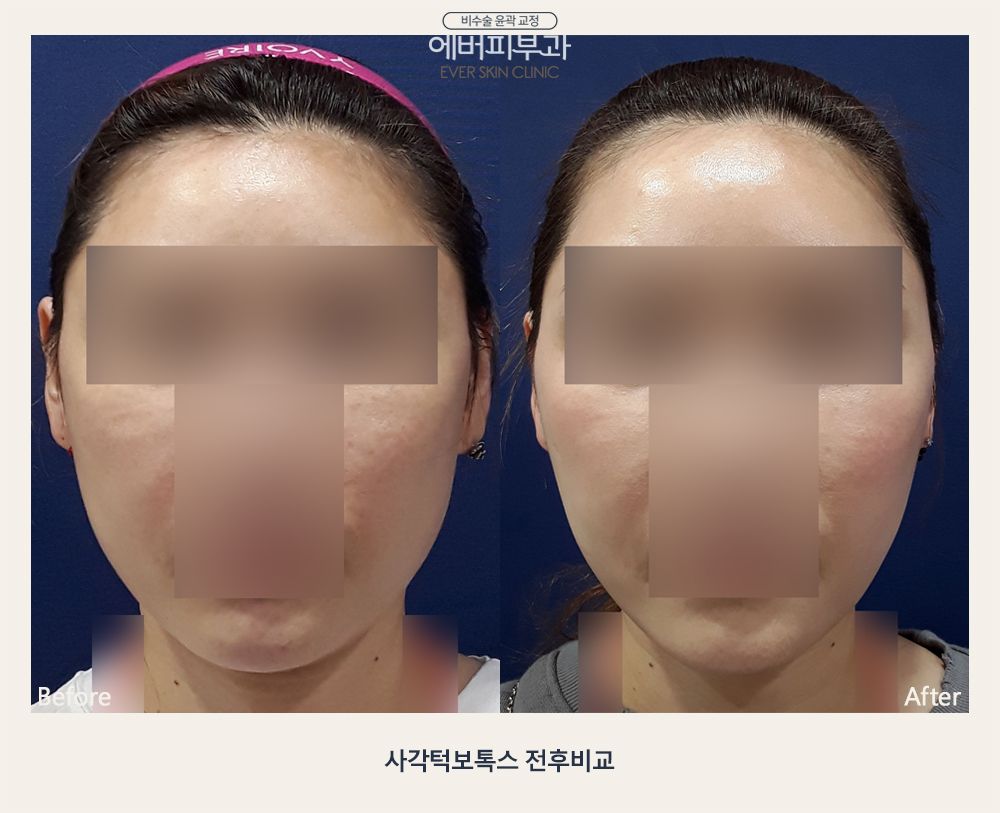
Real patient · before & after
Measuring results for sweating
This case shows masseter Botox for jaw slimming and is shown only as an example of our clinical work; it is not an iontophoresis result. Reduced sweating does not show in photographs.
For iontophoresis, progress is judged by how much drier your hands or feet feel over the course. Your dermatologist may use a sweat test to compare before and after.
Photos are shared with the patient's consent and are not retouched apart from privacy blurring. Results differ from person to person and are not guaranteed.
See more before & after photosRecovery & safety
Recovery, side effects and aftercare
Iontophoresis has no downtime. Tingling or a pins-and-needles feeling during the session is normal. Afterwards, some people notice dryness, redness or mild irritation, and small cuts can sting, so they are covered with petroleum jelly beforehand.
Do not have iontophoresis if you have a pacemaker or other implanted electronic device, metal implants such as joint replacements in the treated limb, or are pregnant, and tell your dermatologist if you have epilepsy, heart rhythm problems or broken skin.
Aftercare tips
- Remove jewellery before each session
- Cover small cuts with petroleum jelly beforehand
- Moisturise hands and feet after treatment
- Keep a regular schedule; gaps reduce the effect
- Tell the team if tingling becomes painful
Questions we hear every day
Iontophoresis FAQ
Does iontophoresis hurt?
It should not be painful. Most people feel tingling or mild pins and needles, and the current is set to a comfortable level. Small cuts can sting, so they are protected beforehand. Tell the team if anything feels uncomfortable.
How many sessions do I need?
Typically several sessions a week for a few weeks until sweating reduces, followed by maintenance about every one to four weeks. The number varies between people, and your dermatologist will adjust the schedule to your response.
Is iontophoresis permanent?
No. It reduces sweating temporarily, and the effect fades if sessions stop. Many patients continue long-term with a home device after an initial clinic course, which your dermatologist can advise on.
Iontophoresis or Botox for sweaty hands?
Iontophoresis is drug-free and avoids injections but needs regular sessions. Botox in the palms usually lasts several months from one treatment but is more uncomfortable and can briefly weaken grip. Your dermatologist will help you choose.
Can I do iontophoresis during a short trip?
You can start a course during your stay, but because several sessions are needed, results may not appear before you leave. For short visits, your dermatologist may suggest Botox or discuss continuing iontophoresis at home.
Talk to a board-certified dermatologist in Apgujeong
Send us your skin concern and photos on WhatsApp. An English-speaking team member will reply and arrange your consultation.
Mon & Thu 10:00–19:00 · Tue & Fri 10:00–20:00 · Sat 10:00–16:00 · Closed Wed, Sun & holidays