
Exosome Therapy in Apgujeong, Gangnam Seoul
Board-Certified Dermatologist Top 2% in Korea 13+ Years
Exosome Therapy · quick answer
What exosome therapy does, in one paragraph
Exosome therapy applies exosomes, tiny vesicles released by cells that carry proteins, lipids and signalling molecules, into the skin to support its natural repair. It is usually delivered through microneedling, a laser or micro-injections, and is most often used to help skin recover after procedures and to improve dullness, redness, uneven tone and texture. At Ever Skin Clinic in Apgujeong, a board-certified dermatologist decides how exosomes fit into your plan and which delivery method suits your skin.
Medically reviewed by Dr. Jieun Kim, M.D. Founder & Director, board-certified dermatologist. Dermatology residency at Hanyang University Hospital; adjunct professor, Hanyang University College of Medicine. Meet our dermatologists Last reviewed October 2026
- Ingredient
- Exosome solution (cell-derived vesicles)
- Best for
- Post-laser recovery, dullness, redness, uneven tone, texture
- Delivery
- With microneedling, laser or micro-injections
- Downtime
- Usually mild redness for a few hours to 2 days
- Course
- Often several sessions a few weeks apart
The treatment
What is exosome therapy?
Exosomes are extracellular vesicles that cells use to communicate. Cosmetic exosome products contain these vesicles along with growth-factor-like proteins, and are designed to signal skin cells to calm inflammation and support renewal. Research in aesthetic dermatology is still developing, so we present exosomes as a supportive treatment rather than a stand-alone cure.
Because exosomes need a pathway into the skin, they are usually combined with procedures such as RF microneedling, fractional lasers or Pico laser. For acne-prone skin we have a dedicated exosome program for acne.
Where exosomes help most
- Recovery : calming redness and sensitivity after lasers and microneedling
- Tone : dull or uneven complexion
- Texture : rough skin and shallow scars, alongside resurfacing
- Sensitive skin : supporting a stressed barrier
- Maintenance : part of a regular skin quality routine
Is it right for you?
Who is a good candidate?
Exosome therapy suits patients who want healthier-looking, calmer skin, and especially those having lasers or microneedling who want to support recovery. International patients often add it to a treatment day to help the skin settle before flying home.
It does not lift sagging skin or replace volume. If those are your concerns, your dermatologist may combine it with lifting or collagen stimulators.
Exosomes may suit you if you
- Are planning lasers, microneedling or resurfacing
- Have dull, tired or uneven skin tone
- Have sensitive skin prone to redness
- Want to improve texture alongside scar treatments
- Prefer a gentle add-on with short downtime
Your visit
What happens during treatment
The visit length depends on the procedure exosomes are paired with, typically 45 to 90 minutes including numbing.
- Consultation A board-certified dermatologist reviews your skin and agrees the delivery method and any paired treatment.
- Preparation The skin is cleansed and numbing cream applied when microneedling or injections are used.
- Application Exosomes are delivered through microneedling, after a laser, or as fine micro-injections across the area.
- Soothing A calming mask is applied and we explain aftercare and the timing of further sessions.
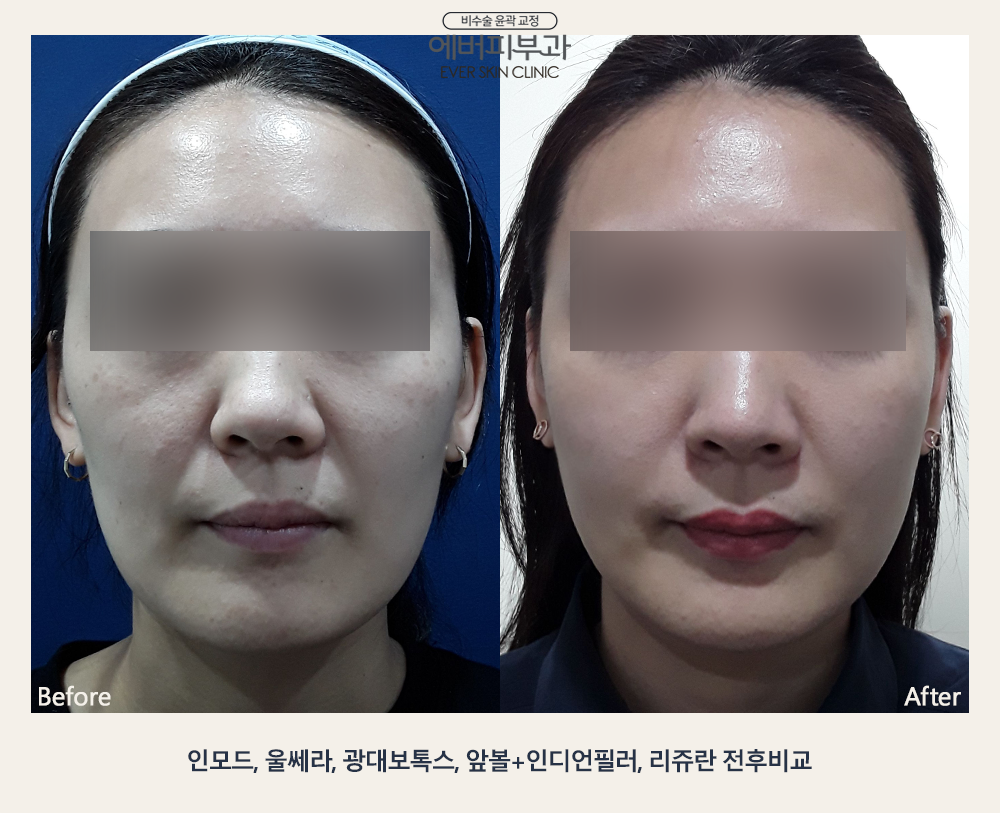
Real patient · before & after
An example of a combined skin plan
This case shows a combined lifting, contouring and skin booster program, shown as an example of our non-surgical results. It is not an exosome therapy result, and the change reflects the whole plan.
Exosomes are usually one supportive part of a plan, and their effect on calmness and tone is gradual and hard to capture in photos. Ask us for exosome-specific cases at consultation.
Photos are shared with the patient's consent and are not retouched apart from privacy blurring. Results differ from person to person and are not guaranteed.
See more before & after photosRecovery & safety
Recovery, side effects and aftercare
When exosomes are applied after microneedling or lasers, the redness, dryness or pinpoint marks mostly come from the paired procedure and usually settle within one to three days. Irritation, breakouts or allergic reactions are uncommon but possible.
Tell your dermatologist if you have active infection, cold sores, eczema flares, an autoimmune condition, a history of allergy to skincare ingredients, or if you are pregnant or breastfeeding. Exosome products vary in source and regulation, so we only use products supplied through approved channels.
Aftercare tips
- Avoid make-up for the rest of the day
- Use a gentle cleanser and moisturiser for a few days
- Apply sunscreen daily and avoid strong sun
- Skip saunas, exfoliants and retinoids for 2 to 3 days
- Contact the clinic if redness increases instead of fading
Questions we hear every day
Exosome Therapy FAQ
Is exosome therapy painful?
Exosomes themselves are not painful; any discomfort comes from the delivery method. Microneedling or micro-injections are done after numbing cream, so most patients describe pressure or mild stinging. Your dermatologist can adjust depth and technique to your comfort.
How many exosome sessions do I need?
Many patients have about three to five sessions spaced two to four weeks apart, often combined with lasers or microneedling. Others use exosomes once after a procedure to support recovery. Your dermatologist will suggest a plan based on your skin and schedule.
Are exosomes made from stem cells?
Many cosmetic exosome products are derived from cultured cells, including stem cells, or from plant sources, and they do not contain living cells. Sources differ between products, so ask your dermatologist which product is used and why.
How is exosome therapy different from PRP?
PRP uses growth factors concentrated from your own blood, so a blood draw is needed. Exosome products are prepared in advance, so no blood is taken. Both aim to support skin renewal, and the choice depends on your goals and preferences.
Can I have exosome therapy before a flight?
Usually yes. Redness from the paired procedure typically settles within a day or two. If your treatment includes stronger lasers, allow a few days before flying and bring sunscreen and a gentle moisturiser for the trip.
Talk to a board-certified dermatologist in Apgujeong
Send us your skin concern and photos on WhatsApp. An English-speaking team member will reply and arrange your consultation.
Mon & Thu 10:00–19:00 · Tue & Fri 10:00–20:00 · Sat 10:00–16:00 · Closed Wed, Sun & holidays