Chemical Peels for Acne in Apgujeong, Gangnam Seoul
Board-Certified Dermatologist Top 2% in Korea 13+ Years
Chemical Peels for Acne · quick answer
What a chemical peel does for acne, in one paragraph
A chemical peel for acne applies a controlled acid solution, such as salicylic, glycolic, lactic or mandelic acid, to exfoliate the skin and loosen the debris that blocks pores. Salicylic acid is oil-soluble, so it works inside oily pores and reduces breakouts. Superficial peels can improve mild to moderate acne and fade post-acne marks with little downtime. At Ever Skin Clinic, a board-certified dermatologist chooses the acid and strength for your skin type and acne.
Medically reviewed by Dr. Jieun Kim, M.D. Founder & Director, board-certified dermatologist. Dermatology residency at Hanyang University Hospital; adjunct professor, Hanyang University College of Medicine. Meet our dermatologists Last reviewed October 2026
- Ingredients
- Salicylic (BHA), glycolic, lactic or mandelic (AHA) acids
- Best for
- Clogged pores, mild to moderate acne, post-acne marks, oily skin
- Sessions
- Often 3 to 6, about 2 to 4 weeks apart
- Treatment time
- About 20 to 30 minutes
- Downtime
- Mild redness and light flaking for a few days
The treatment
What is a chemical peel for acne?
Acne starts with blocked pores. Peels speed up shedding of dead skin cells so pores stay clearer, reduce oiliness and help fade red and brown marks left by spots. For acne we mainly use superficial peels, which act on the outer skin layer and have short downtime.
Peels are often combined with acne facials for extraction and laser for inflamed acne. Deep, narrow scars are treated differently, with focused methods such as TCA Cross.
Acids we may use
- Salicylic acid - oil-soluble; clears pores and calms breakouts
- Glycolic acid - exfoliates and helps fade marks
- Lactic acid - gentler exfoliation with hydration
- Mandelic acid - larger molecule, often used for sensitive or darker skin
Is it right for you?
Who is a good candidate?
Peels suit people with blackheads, whiteheads, oily skin, mild to moderate inflammatory acne and post-acne marks. They can be used in many skin tones; for darker skin we choose gentler acids and strengths to reduce the risk of pigment changes.
Peels are usually postponed if you are taking isotretinoin, have sunburn or broken skin, or have active cold sores.
A peel may suit you if you have
- Frequent clogged pores and blackheads
- Oily skin with recurrent small breakouts
- Red or brown marks after spots
- Uneven, rough texture from acne
- Acne on the back or chest
Your visit
What happens during treatment
A peel takes about 20 to 30 minutes and is often combined with extraction or LED.
- Assessment A board-certified dermatologist checks your acne and skin type and chooses the acid and strength.
- Preparation The skin is cleansed and degreased, and sensitive areas such as the eyes and lips are protected.
- Peel application The acid is applied for a set time; you may feel tingling or warmth, and a fan can be used.
- Neutralise and calm The peel is removed or neutralised, then soothing products and sunscreen are applied.
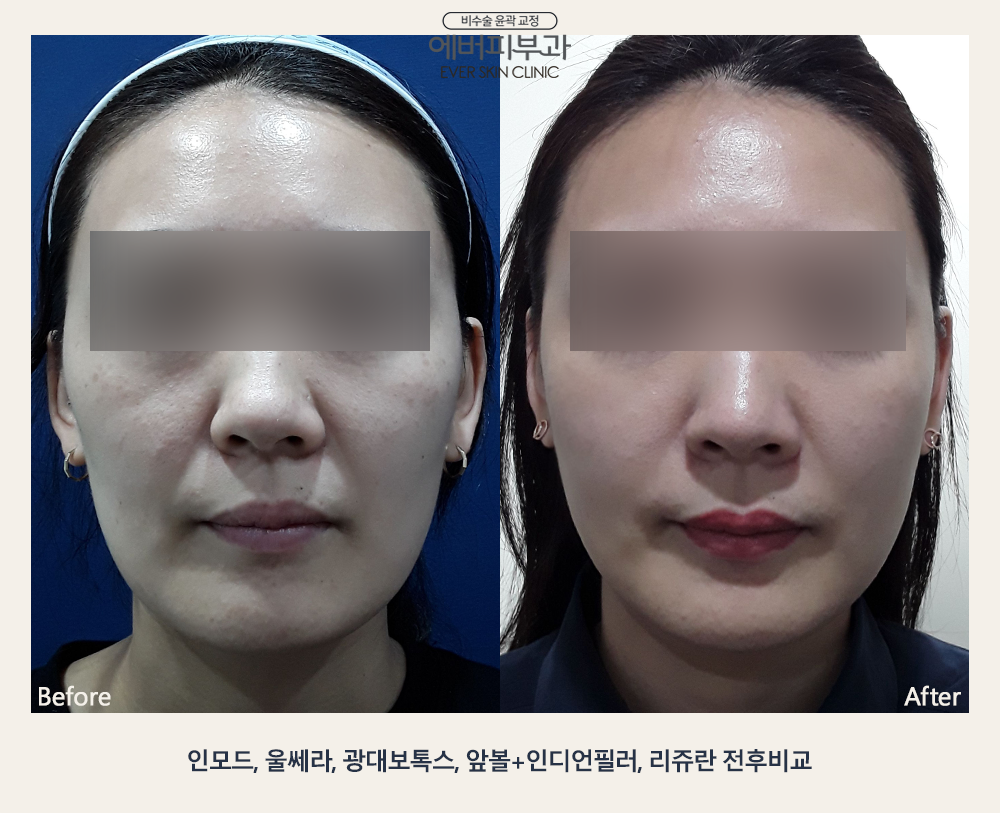
Real patient · before & after
Example of our non-surgical results
This case shows a combined lifting, contouring and skin-quality program, shared as an example of our non-surgical work. It is not a chemical peel or acne treatment result.
Ask us for acne-specific cases at consultation, and your dermatologist will explain what peels can realistically achieve for you.
Photos are shared with the patient's consent and are not retouched apart from privacy blurring. Results differ from person to person and are not guaranteed.
See more before & after photosRecovery & safety
Recovery, side effects and aftercare
After a superficial peel the skin may be red, tight or flaky for a few days. Some patients have a mild breakout in the first week. Less commonly, irritation, blistering, cold sore flares or pigment changes occur, especially if aftercare and sun protection are not followed.
Tell your dermatologist if you use isotretinoin or retinoids, have an aspirin or salicylate allergy (relevant to salicylic peels), eczema, rosacea, a history of cold sores or keloids, a recent tan, or are pregnant or breastfeeding.
Aftercare tips
- Let flaking skin shed naturally; do not peel it
- Use a gentle cleanser and plain moisturiser
- Apply sunscreen daily and avoid strong sun
- Pause retinoids, scrubs and acids for about 3 to 5 days
- Avoid saunas and intense exercise for a day or two
Questions we hear every day
Chemical Peels for Acne FAQ
Does a chemical peel for acne hurt?
Most patients feel tingling, warmth or mild stinging for a few minutes while the acid is on the skin. A fan or cool compress helps. Superficial acne peels are generally well tolerated.
How many peels will I need?
Many patients have three to six peels spaced two to four weeks apart, alongside a home routine. Mild acne may improve sooner; more stubborn acne may need peels combined with laser or medication.
Will my skin peel visibly?
Superficial peels may cause light flaking for a few days, sometimes barely visible. Stronger peels cause more noticeable peeling. Your dermatologist will tell you what to expect for the peel chosen.
Can peels help acne scars?
Superficial peels mainly help clogged pores and red or brown marks. Textured or deep scars usually need microneedling, laser, subcision or TCA Cross, which work deeper in the skin.
Can I have a peel during a short trip to Seoul?
Yes, superficial peels have short downtime. Avoid strong sun and beaches for several days afterwards, and plan a few days before important events in case of redness or flaking.
Talk to a board-certified dermatologist in Apgujeong
Send us your skin concern and photos on WhatsApp. An English-speaking team member will reply and arrange your consultation.
Mon & Thu 10:00–19:00 · Tue & Fri 10:00–20:00 · Sat 10:00–16:00 · Closed Wed, Sun & holidays