Laser Toning in Apgujeong, Gangnam Seoul
Board-Certified Dermatologist Top 2% in Korea 13+ Years
Laser Toning · quick answer
What laser toning does, in one paragraph
Laser toning is a pigment treatment that passes a low-energy, nanosecond or picosecond 1064 nm laser evenly over the skin in repeated sessions. Each pass breaks down a small amount of excess melanin without much heat, so uneven tone, melasma and post-acne marks fade gradually with little downtime. It is often the core of melasma care in Korea. At Ever Skin Clinic, a board-certified dermatologist sets the energy and interval for your skin type and adjusts them at each visit to avoid irritation.
Medically reviewed by Dr. Jieun Kim, M.D. Founder & Director, board-certified dermatologist. Dermatology residency at Hanyang University Hospital; adjunct professor, Hanyang University College of Medicine. Meet our dermatologists Last reviewed October 2026
- Technology
- Low-fluence 1064 nm Nd:YAG laser (Q-switched or picosecond)
- Best for
- Melasma, uneven tone, post-acne marks, dullness
- Sessions
- Typically 5 to 10, about 1 to 4 weeks apart
- Downtime
- Mild redness for a few hours
- Treatment time
- About 15 to 20 minutes
The treatment
What is laser toning?
Traditional pigment lasers use high energy to shatter a single spot, which can inflame reactive skin. Laser toning does the opposite: it uses a large, flat beam at low energy across the whole face, breaking up pigment a little at a time while keeping heat low. The 1064 nm wavelength passes through the surface with less risk to darker skin than shorter wavelengths.
Because it is gentle, toning is the main laser for melasma, where stronger treatments can cause rebound darkening. For defined sun spots or freckles, our dermatologists may add spot treatment with Pico laser or IPL.
What laser toning can and cannot do
- Can gradually lighten melasma and diffuse pigment
- Can fade brown marks left after acne
- Can brighten a dull, uneven complexion
- Cannot clear raised spots or deep birthmarks in one session
- Cannot replace sunscreen; pigment returns without protection
Is it right for you?
Who is a good candidate?
Laser toning suits most skin types, including medium and darker skin when settings are cautious. It is a good choice if you want gradual improvement with little downtime, or if you have melasma and need a gentle option.
Overly frequent or high-energy toning can cause white spots (mottled hypopigmentation), so we plan the number and spacing of sessions carefully and review your skin at each visit.
Laser toning may suit you if you
- Have melasma or patchy pigment on the cheeks
- Have brown post-acne marks
- Want a brighter, more even tone with no real downtime
- Have medium or darker skin and need a gentle laser
- Can come for several sessions or continue at home with a local clinic
Your visit
What happens during treatment
A session takes about 15 to 20 minutes, and most patients go straight back to work or sightseeing.
- Assessment A board-certified dermatologist examines your pigment type and skin tone and sets the laser parameters.
- Cleansing Make-up and sunscreen are removed and your eyes are protected.
- Laser passes The laser is moved evenly across the face in several passes; most people feel light warm snaps.
- Soothing A calming product and sunscreen are applied, sometimes with vitamin C or a soothing mask.
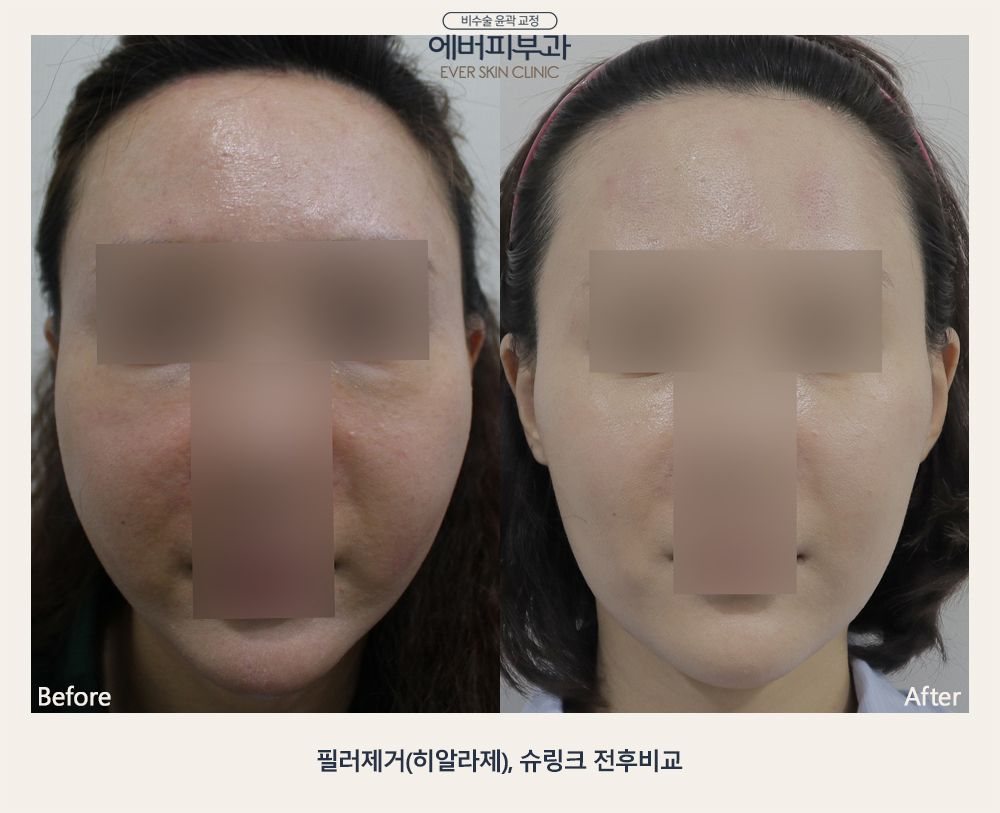
Real patient · before & after
Our non-surgical results
This case shows filler dissolving combined with HIFU lifting. It is shown as an example of our non-surgical work and is not a laser toning result.
Ask us at consultation for laser toning cases with a pigment type and skin tone similar to yours.
Photos are shared with the patient's consent and are not retouched apart from privacy blurring. Results differ from person to person and are not guaranteed.
See more before & after photosRecovery & safety
Recovery, side effects and aftercare
Mild redness and warmth usually settle within a few hours. Some patients notice slight dryness or tiny pinpoint marks. Less common risks include temporary darkening, acne flares and, with overly frequent or strong treatment, white spots, which is why settings are adjusted at each visit.
Tell your dermatologist if you have a recent tan, a history of cold sores, take isotretinoin or photosensitising medicines, or are pregnant or breastfeeding.
Aftercare tips
- Use broad-spectrum SPF 50 every day and reapply outdoors
- Avoid saunas and hot environments for 1 to 2 days
- Use gentle cleansers and moisturisers
- Skip scrubs, strong acids and retinoids for a few days
- Keep your session spacing as planned
Questions we hear every day
Laser Toning FAQ
Does laser toning hurt?
Most patients feel light warm snaps across the face. Numbing cream is usually not needed, but it can be applied if you are sensitive. The session is short, about 15 to 20 minutes.
How many sessions will I need?
Many patients need about five to ten sessions spaced one to four weeks apart. Melasma usually needs more sessions and maintenance, while post-acne marks may need fewer. Your dermatologist will adjust the plan as your skin responds.
Is laser toning safe for darker skin?
Yes, when settings are cautious. The 1064 nm wavelength is relatively safe for darker skin, but there is still a risk of temporary darkening or white spots if treatment is too strong or too frequent. We monitor your skin closely.
How long do results last?
Results can last many months with good sun protection, but pigment, particularly melasma, can return with sun, heat or hormonal change. Most patients have occasional maintenance sessions.
Can I have laser toning during a short trip?
Yes. There is almost no downtime, so you can have a session and continue your plans. One or two sessions give a modest improvement; we can help you plan how to continue the course at home.
Talk to a board-certified dermatologist in Apgujeong
Send us your skin concern and photos on WhatsApp. An English-speaking team member will reply and arrange your consultation.
Mon & Thu 10:00–19:00 · Tue & Fri 10:00–20:00 · Sat 10:00–16:00 · Closed Wed, Sun & holidays