
Vitamin C Drips in Apgujeong, Gangnam Seoul
Board-Certified Dermatologist Top 2% in Korea 13+ Years
Vitamin C Drips · quick answer
What a vitamin C drip does, in one paragraph
A vitamin C drip is an intravenous infusion of ascorbic acid that raises blood levels far higher than tablets can. Vitamin C is an antioxidant and a cofactor in collagen production, and it can mildly reduce melanin formation, so drips are used to support a brighter, healthier-looking complexion. Evidence for visible skin effects is limited. At Ever Skin Clinic, a board-certified dermatologist screens you for safety, including a G6PD check where relevant, and uses drips alongside proven skin treatments.
Medically reviewed by Dr. Jieun Kim, M.D. Founder & Director, board-certified dermatologist. Dermatology residency at Hanyang University Hospital; adjunct professor, Hanyang University College of Medicine. Meet our dermatologists Last reviewed October 2026
- Ingredient
- High-dose vitamin C (ascorbic acid)
- Best for
- Dull or tired-looking skin, as support to brightening care
- Treatment time
- About 30 to 60 minutes
- Downtime
- None expected; possible bruise at the drip site
- Course
- Often repeated weekly or every few weeks; effects are subtle
The treatment
What is a vitamin C drip?
The body cannot make vitamin C, and absorption from the gut is limited, so oral doses plateau quickly. An IV drip bypasses the gut and briefly delivers much higher levels. In the skin, vitamin C neutralises free radicals from UV and pollution, supports collagen formation and can interfere with the enzyme that makes melanin.
This page covers the drip itself and how a session works. For how vitamin C fits into pigmentation care, including topical and in-clinic infusion methods, see vitamin C therapy. Many patients pair it with glutathione IV or choose a combined Snow White drip.
What a vitamin C drip can and cannot do
- Can provide antioxidant support during a brightening plan
- Can be combined with lasers and skin boosters on the same day
- Cannot remove dark spots or melasma on its own
- Cannot replace sunscreen or a balanced diet
- Is not a treatment for infections or chronic illness
Is it right for you?
Who is a good candidate?
Vitamin C drips suit healthy adults with dull or tired-looking skin who are already following a skin plan and want a low-downtime extra step, for example around laser toning. Some travellers choose one during a busy trip.
High-dose vitamin C is not suitable for everyone: people with G6PD deficiency risk haemolysis, and those with kidney disease or a history of kidney stones may be harmed. Your dermatologist screens for these before treatment.
A vitamin C drip may suit you if you
- Have dull skin and want antioxidant support
- Are having laser toning or other pigmentation treatment
- Have no kidney disease, kidney stones or G6PD deficiency
- Want a treatment with no visible downtime
- Understand that skin effects are gradual and subtle
Your visit
What happens during a drip
You rest in a reclining chair during the infusion, and you can go straight back to your day afterwards.
- Screening A board-certified dermatologist reviews your health, medicines and kidney history and decides on a suitable dose.
- Cannula A nurse places a fine cannula in an arm vein.
- Infusion The vitamin C solution runs slowly over about 30 to 60 minutes to keep it comfortable.
- Check-out We remove the cannula, make sure you feel well and agree how drips fit your plan.
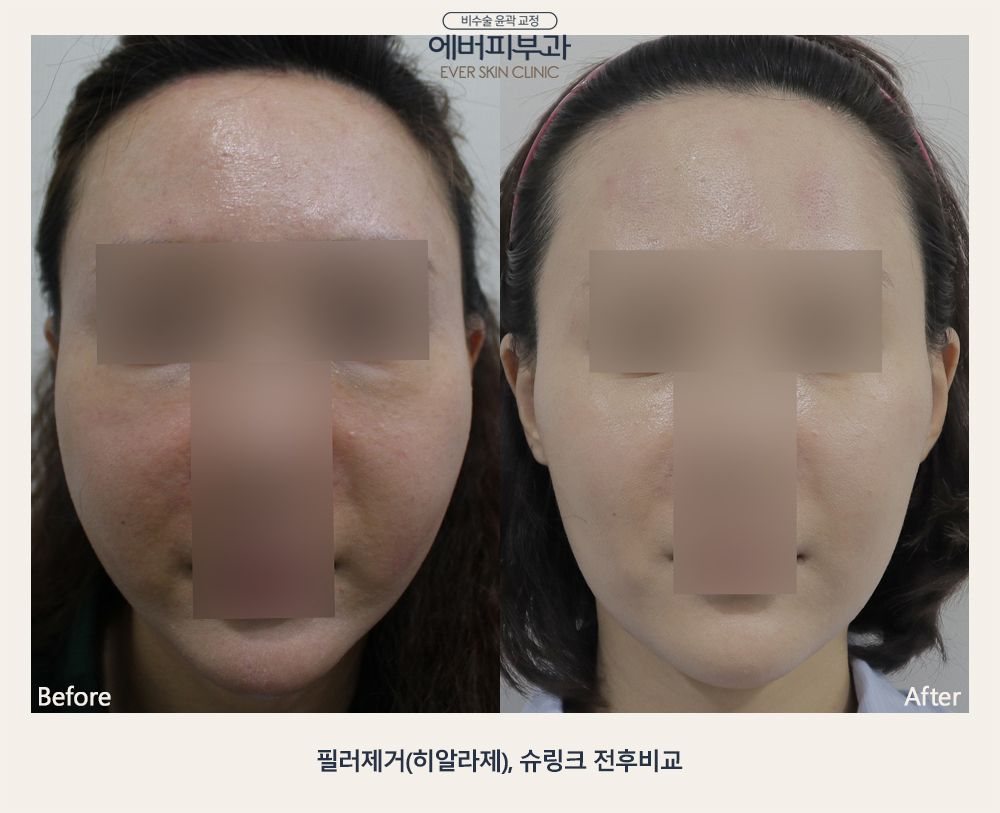
Real patient · before & after
Our non-surgical results
This case shows filler dissolving combined with HIFU lifting. It is shown as an example of our non-surgical work and is not a vitamin C drip result; IV drips produce subtle changes that photos rarely show well.
Ask us at consultation for brightening cases relevant to your concerns.
Photos are shared with the patient's consent and are not retouched apart from privacy blurring. Results differ from person to person and are not guaranteed.
See more before & after photosRecovery & safety
Side effects and safety
Common effects are a cool or stinging feeling in the arm during the infusion, thirst, and a small bruise at the drip site. Some people feel lightheaded or nauseous; eating beforehand helps. High doses can rarely cause kidney stones and can falsely affect some blood glucose meter readings for several hours.
Tell your dermatologist if you have G6PD deficiency, kidney disease or stones, iron overload (haemochromatosis), diabetes requiring finger-prick monitoring, are pregnant or breastfeeding, or take regular medicines.
Aftercare tips
- Eat a light meal before your drip
- Drink plenty of water for the rest of the day
- Press on the drip site for a few minutes to limit bruising
- If you check blood glucose with a meter, tell us before the drip
- Keep using sunscreen and your brightening skincare
Questions we hear every day
Vitamin C Drips FAQ
Is a vitamin C drip better than tablets?
A drip reaches much higher blood levels than tablets, but higher is not always better for healthy people, and evidence for visible skin benefits is limited. For most people a balanced diet and topical vitamin C serum give a good baseline; drips are an optional extra.
Does it hurt?
You feel a brief pinch when the cannula goes in. Some people notice coolness or mild stinging in the arm during the infusion; slowing the drip usually helps. Tell the nurse if anything feels uncomfortable.
How many drips do I need?
There is no fixed number. Patients who choose drips often have them weekly or every few weeks during a skin course. We review whether they are helping you and avoid unnecessary repeat doses.
Is a G6PD test needed?
High-dose vitamin C can cause red blood cells to break down in people with G6PD deficiency. Depending on your background and the dose, your dermatologist may ask about family history or recommend a test before treatment.
Can I have a drip on the same day as a laser?
Yes. Many patients have a drip before or after laser toning or a skin booster, which is convenient during a short stay in Seoul. There is no downtime from the drip itself.
Talk to a board-certified dermatologist in Apgujeong
Send us your skin concern and photos on WhatsApp. An English-speaking team member will reply and arrange your consultation.
Mon & Thu 10:00–19:00 · Tue & Fri 10:00–20:00 · Sat 10:00–16:00 · Closed Wed, Sun & holidays