
Hyperhidrosis & Excessive Sweating in Apgujeong, Gangnam Seoul
Board-Certified Dermatologist Top 2% in Korea 13+ Years
Hyperhidrosis Treatment · quick answer
How hyperhidrosis is treated, in one paragraph
Hyperhidrosis is sweating beyond what the body needs to control temperature, most often affecting the underarms, palms, soles or face. It is a recognised medical condition, and several treatments can reduce it: botulinum toxin injections block the nerve signals to sweat glands for several months, iontophoresis uses a mild electrical current through water to reduce palm and foot sweating, and prescription antiperspirants help milder cases. At Ever Skin Clinic in Apgujeong, a board-certified dermatologist confirms the pattern and cause of your sweating before recommending treatment.
Medically reviewed by Dr. Jieun Kim, M.D. Founder & Director, board-certified dermatologist. Dermatology residency at Hanyang University Hospital; adjunct professor, Hanyang University College of Medicine. Meet our dermatologists Last reviewed October 2026
- Common areas
- Underarms, palms, soles, face and scalp
- Options
- Botox for sweating, iontophoresis, topical antiperspirants
- Botox effect
- Often lasts about 4 to 9 months for underarms
- Iontophoresis
- Repeated sessions, then maintenance
- Downtime
- Little or none
What we treat
Primary and secondary hyperhidrosis
Primary focal hyperhidrosis usually starts in childhood or adolescence, affects specific areas on both sides of the body, often runs in families and typically stops during sleep. Secondary hyperhidrosis is caused by something else, such as thyroid problems, certain medicines, infections or hormonal changes, and often causes more general sweating, including at night.
Your dermatologist will look for signs of a secondary cause before treating. For primary hyperhidrosis, the main in-clinic options are Botox for sweating and iontophoresis, and we can discuss other device-based options at consultation.
Treatments in this group
- Botox for sweating - injections that reduce sweat production for several months
- Underarm Botox - the most common use, with quick treatment and no downtime
- Iontophoresis - water-based electrical treatment for palms and soles
- Topical treatments - prescription-strength antiperspirants for milder sweating
- Medical review - checks for underlying causes when sweating is generalised
Choosing a treatment
Which treatment suits which area?
For the underarms, underarm Botox is usually the most convenient option and is well suited to visitors because it takes minutes. For palms and soles, iontophoresis is often tried first because it is drug-free, while Botox in the hands works well but is more uncomfortable and can briefly weaken grip.
Facial and scalp sweating can also be treated with careful Botox dosing. If you have sweating all over the body, sweating that started suddenly in adulthood or night sweats, we will advise on medical tests first.
Your dermatologist will ask about
- Which areas sweat and how it affects daily life
- When it started and whether it happens during sleep
- Medicines and health conditions
- What you have already tried, such as antiperspirants
- Your travel plans and how quickly you need results
Your visit
How a visit works
Most patients can start treatment on the day of their consultation.
- Consultation A board-certified dermatologist reviews your history and examines the affected areas.
- Mapping For Botox, a starch-iodine test may be used to show the most active sweating zones.
- Treatment Botox injections or an iontophoresis session are carried out, usually in under 30 minutes.
- Plan We explain when to expect results and how often maintenance or repeat sessions are needed.
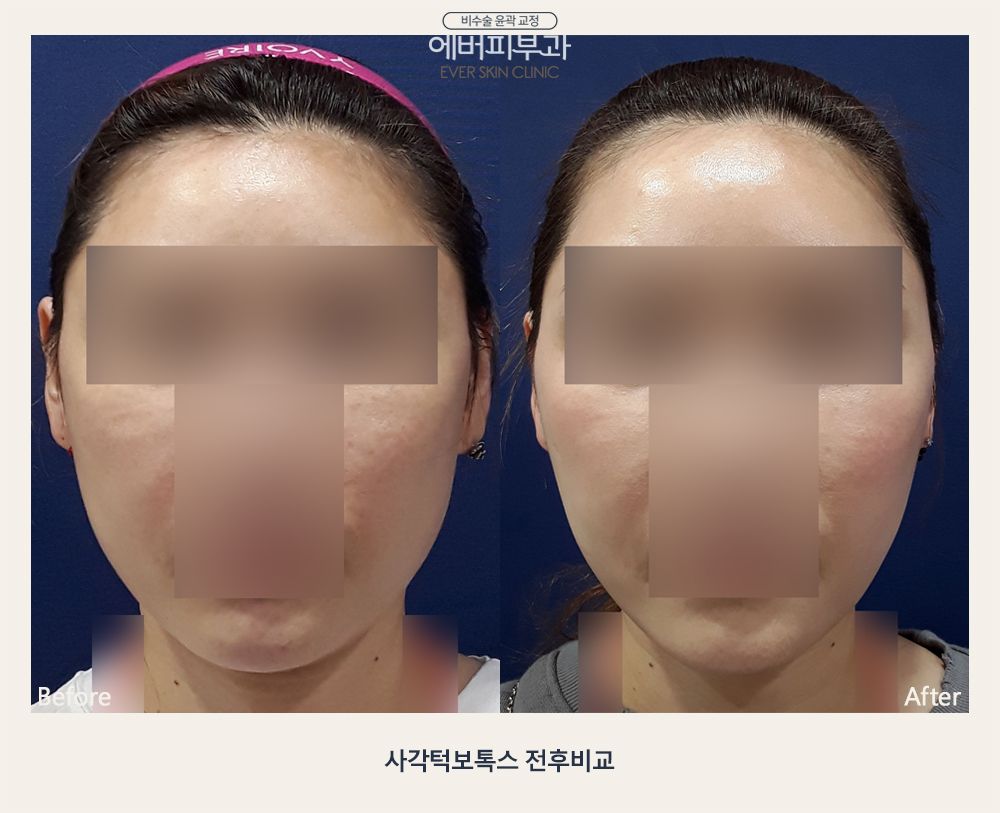
Real patient · before & after
Botox expertise across different areas
This case shows masseter Botox for jaw slimming. It is shown as an example of our Botox work, not as a sweating result; reduced sweating is not visible in photos.
Results of hyperhidrosis treatment are usually measured by how much less you sweat. Your dermatologist can show you a starch-iodine test before and after treatment if helpful.
Photos are shared with the patient's consent and are not retouched apart from privacy blurring. Results differ from person to person and are not guaranteed.
See more before & after photosRecovery & safety
Recovery and safety
After Botox, small bumps, redness or bruising at the injection points usually settle quickly; hand injections can cause temporary weakness of grip. Some people notice more sweating in untreated areas. Iontophoresis can cause tingling, dryness or mild skin irritation, which is usually managed by adjusting the current.
Tell your dermatologist if you are pregnant or breastfeeding, have a neuromuscular condition, take blood thinners, or, for iontophoresis, have a pacemaker or other implanted electronic device, metal implants in the area, epilepsy or open cuts on the skin.
Aftercare tips
- Avoid deodorant and intense exercise for about 24 hours after underarm Botox
- Do not massage the injected area on the day
- Moisturise hands and feet after iontophoresis
- Keep a simple diary of sweating to track results
- Book repeat Botox before the effect fully wears off
Questions we hear every day
Hyperhidrosis Treatment FAQ
Is excessive sweating a medical condition?
Yes. Hyperhidrosis is a recognised medical condition that can affect work, social life and skin health. It is not caused by poor hygiene, and effective treatments exist. A dermatologist can confirm the diagnosis and check for underlying causes.
How long does Botox for sweating last?
For the underarms, results often last around four to nine months, sometimes longer. Hands and feet tend to need retreatment sooner. The duration varies with dose, area and individual response.
Does iontophoresis really work?
Iontophoresis is an established treatment for sweaty palms and soles and helps many patients after a series of sessions. It needs regular maintenance, so it works best for people who can continue sessions at home or nearby clinics.
Is treatment painful?
Underarm Botox involves small, quick injections that most people tolerate well. Palm injections are more sensitive, so numbing methods are used. Iontophoresis feels like mild tingling and should not be painful.
Can I have sweating treatment during a short visit to Seoul?
Yes. Underarm Botox takes minutes, has no downtime and starts working within about a week, so it suits short trips well. Iontophoresis needs repeated sessions, so we will discuss how to continue it after you return home.
Talk to a board-certified dermatologist in Apgujeong
Send us your skin concern and photos on WhatsApp. An English-speaking team member will reply and arrange your consultation.
Mon & Thu 10:00–19:00 · Tue & Fri 10:00–20:00 · Sat 10:00–16:00 · Closed Wed, Sun & holidays