
Skin Discoloration Treatment for Dark Skin in Apgujeong, Gangnam Seoul
Board-Certified Dermatologist Top 2% in Korea 13+ Years
Skin Discoloration Treatment for Dark Skin · quick answer
How we treat discoloration on darker skin, in one paragraph
Darker, melanin-rich skin forms pigment easily after inflammation, so dark spots, melasma and uneven tone need treatments that clear pigment without triggering more. That usually means a combination of daily sun protection, prescription topicals, mild peels and low-energy lasers such as pico or Nd:YAG toning, with aggressive resurfacing avoided or used very cautiously. At Ever Skin Clinic in Apgujeong, a board-certified dermatologist identifies the type of pigmentation and your skin type first, often starting with a test area.
Medically reviewed by Dr. Jieun Kim, M.D. Founder & Director, board-certified dermatologist. Dermatology residency at Hanyang University Hospital; adjunct professor, Hanyang University College of Medicine. Meet our dermatologists Last reviewed October 2026
- Approach
- Topicals, gentle peels, low-fluence pico or Nd:YAG toning
- Best for
- Post-inflammatory hyperpigmentation, melasma, dark spots, uneven tone
- Skin types
- Medium to deep skin (Fitzpatrick IV to VI)
- Course
- Often 4 to 10 sessions over several months, plus home care
- Downtime
- Usually mild redness for hours to a day
The approach
Why darker skin needs a different approach
Pigment cells in melanin-rich skin are more reactive. Heat, friction, acne or an overly strong treatment can lead to post-inflammatory hyperpigmentation (dark marks) or, less often, hypopigmentation (light patches). Treatment therefore aims to calm pigment production as well as remove existing pigment.
We favour low-energy, longer-wavelength approaches such as pico laser and laser toning, combined with skincare and mild peels. RF microneedling can help acne scars with lower pigment risk than ablative lasers. Strong ablative resurfacing and deep peels are generally avoided.
Discoloration we commonly treat
- Post-inflammatory hyperpigmentation — dark marks after acne, eczema or injury
- Melasma — hormonal patches on cheeks, forehead and upper lip
- Sun-related dark spots and uneven tone
- Dark patches on underarms, knees or elbows
- Acne scars with pigment , treated in stages
Is it right for you?
Who is a good candidate?
This approach suits patients with medium to deep skin tones, including Black, South Asian, Middle Eastern and Latin skin, who want gradual, safe improvement in dark marks or uneven tone. Patience matters: pigment in darker skin fades over months, and consistent sunscreen is essential.
Our skin clinic for Black skin page explains how we care for melanin-rich skin more broadly.
This may suit you if you
- Have dark marks left after acne or irritation
- Have melasma or patchy uneven tone
- Have had pigment worsen after past treatments elsewhere
- Can commit to daily sunscreen and home care
- Want a conservative plan that fits around travel
Your visit
How treatment is planned
A first visit usually takes about 45 to 60 minutes, including consultation and, where suitable, a test area.
- Diagnosis A board-certified dermatologist examines the pigment, often with magnification, to tell PIH, melasma and other conditions apart.
- Test area Where lasers are planned, a small test spot may be done first to see how your skin responds.
- Treatment Low-energy laser, a mild peel or both are applied with conservative settings, usually in 10 to 30 minutes.
- Home plan We prescribe or recommend topicals and sunscreen and schedule sessions every 1 to 4 weeks.
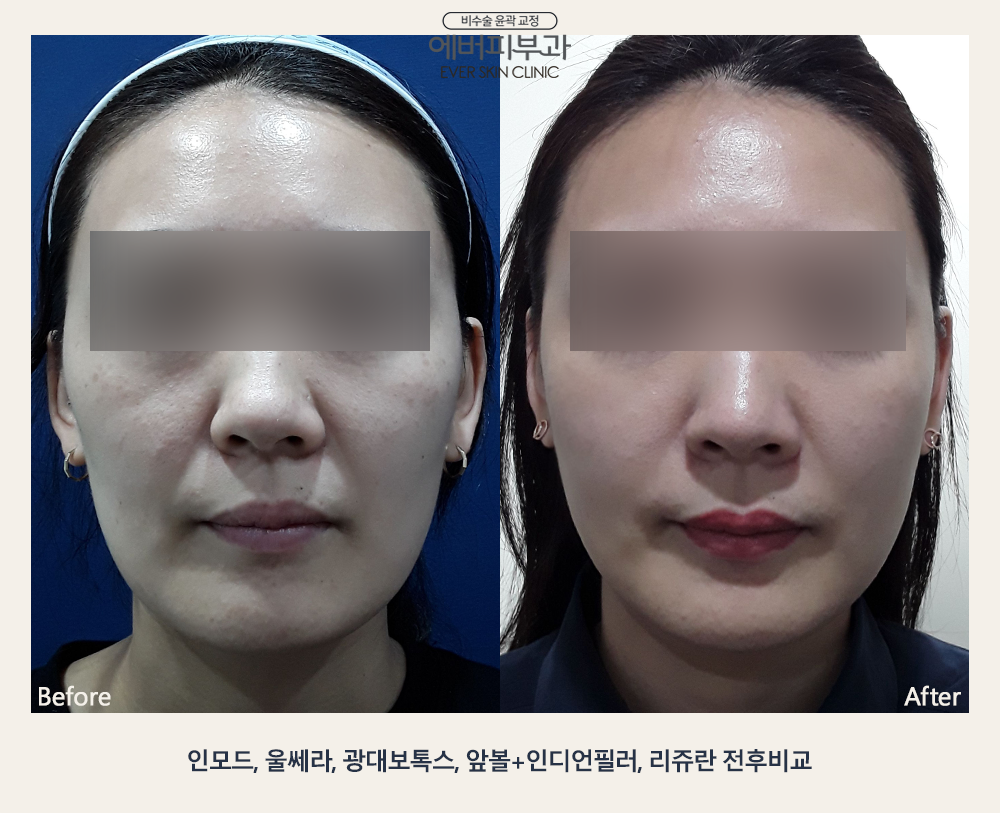
Real patient · before & after
An example of our non-surgical results
This case shows a combined lifting and skin program and is included only as an example of our non-surgical work; it is not a pigmentation treatment result and the patient does not have a dark skin type.
Results on melanin-rich skin build gradually, so ask us for cases relevant to your skin type and concern at consultation.
Photos are shared with the patient's consent and are not retouched apart from privacy blurring. Results differ from person to person and are not guaranteed.
See more before & after photosRecovery & safety
Recovery, side effects and aftercare
Mild redness or warmth after toning or a light peel usually settles within hours. Possible risks include temporary darkening, uneven lightening (mottled hypopigmentation with very frequent toning) and irritation from topicals, which is why settings and intervals are kept conservative and progress is reviewed.
Tell your dermatologist if you are pregnant or breastfeeding, use isotretinoin or photosensitising medicines, have recently tanned, or have a history of keloids or vitiligo.
Aftercare tips
- Use broad-spectrum SPF 50 daily, reapplying outdoors
- Avoid scrubs, harsh exfoliants and picking at spots
- Apply prescribed topicals exactly as directed
- Use a gentle cleanser and moisturiser
- Report any new darkening or light patches promptly
Questions we hear every day
Skin Discoloration Treatment for Dark Skin FAQ
Are lasers safe for dark skin?
Many lasers can be used safely on dark skin when the wavelength, energy and interval are chosen carefully, such as low-fluence Nd:YAG or pico toning. The risk of temporary pigment change is higher than on lighter skin, so we start conservatively and may do a test area first.
How long does it take for dark spots to fade?
Post-inflammatory marks often improve noticeably over about 2 to 4 months of treatment and sun protection, but deeper or long-standing pigment and melasma can take longer and may recur. Consistent home care makes a large difference.
Will treatment lighten my overall skin tone?
No. The aim is to even out dark spots and patches, not to change your natural skin colour. We do not offer bleaching of healthy skin, and we avoid products that are unsafe for long-term use.
Can I start treatment while visiting Seoul?
Yes. A first consultation, diagnosis and one or two sessions can fit into a short stay, and we can give a home plan with topicals and sunscreen to continue. Further sessions can be done on a return visit or with a dermatologist at home.
Which treatments should darker skin avoid?
Deep chemical peels, aggressive ablative lasers and harsh at-home scrubs carry a higher risk of worsening pigment or causing light patches in melanin-rich skin. They are not always ruled out, but they need careful judgement and conservative settings.
Talk to a board-certified dermatologist in Apgujeong
Send us your skin concern and photos on WhatsApp. An English-speaking team member will reply and arrange your consultation.
Mon & Thu 10:00–19:00 · Tue & Fri 10:00–20:00 · Sat 10:00–16:00 · Closed Wed, Sun & holidays