
PRP for Scars in Apgujeong, Gangnam Seoul
Board-Certified Dermatologist Top 2% in Korea 13+ Years
PRP for Scars · quick answer
What PRP does for scars, in one paragraph
PRP (platelet-rich plasma) is a concentrate of platelets prepared from a small sample of your own blood. Platelets release growth factors that support wound healing, so when PRP is injected into scars or applied with microneedling, laser or subcision, it can help the skin repair and build collagen more effectively. It works best as an add-on that improves results and recovery. At Ever Skin Clinic, a board-certified dermatologist decides how PRP fits your scar plan.
Medically reviewed by Dr. Jieun Kim, M.D. Founder & Director, board-certified dermatologist. Dermatology residency at Hanyang University Hospital; adjunct professor, Hanyang University College of Medicine. Meet our dermatologists Last reviewed October 2026
- Source
- Platelet concentrate from your own blood
- Best for
- Atrophic acne scars, often combined with microneedling, laser or subcision
- Sessions
- Usually 3 to 4, about 4 weeks apart
- Downtime
- Redness and pinpoint marks for 1 to 3 days; possible bruising
- Results
- Gradual improvement in texture over 2 to 3 months
The treatment
What is PRP for scars?
To make PRP, a small tube of blood is drawn and spun in a centrifuge to separate the platelet-rich layer. Delivered into scarred skin, the growth factors in PRP signal repair and collagen production. Because it comes from your own blood, allergy risk is very low.
Research suggests PRP mainly improves the results and healing of other scar treatments rather than working strongly alone. We most often combine it with microneedling, Fraxel laser or subcision. For PRP used for general skin rejuvenation, see PRP therapy.
How PRP is used in scar treatment
- With microneedling - applied into micro-channels to support collagen renewal
- After laser - may help skin recover faster and more evenly
- With subcision - injected under released scars to support lift
- Not a stand-alone fix for deep icepick scars, which need TCA Cross
Is it right for you?
Who is a good candidate?
PRP suits generally healthy adults with depressed acne scars, chickenpox scars or flat surgical scars who want to boost the results of a scar treatment course, and those who prefer an option based on their own blood rather than a product.
It may not be suitable if you have a blood or platelet disorder, take blood thinners, have active infection or cancer, or are pregnant. Your dermatologist will check your history first.
PRP may suit you if you want to
- Improve rolling or boxcar acne scars as part of a plan
- Support healing after microneedling, laser or subcision
- Use a treatment derived from your own blood
- Improve texture around scars
- Combine scar work with general skin quality
Your visit
What happens during treatment
A session usually takes about one to one and a half hours, including preparation and numbing.
- Assessment A board-certified dermatologist examines your scars and agrees how PRP will be combined.
- Blood draw A small amount of blood is taken from your arm and processed in a centrifuge to concentrate the platelets.
- Treatment After numbing, PRP is injected into scars or applied with microneedling, laser or subcision.
- Aftercare The skin is soothed and aftercare and the next session are planned.
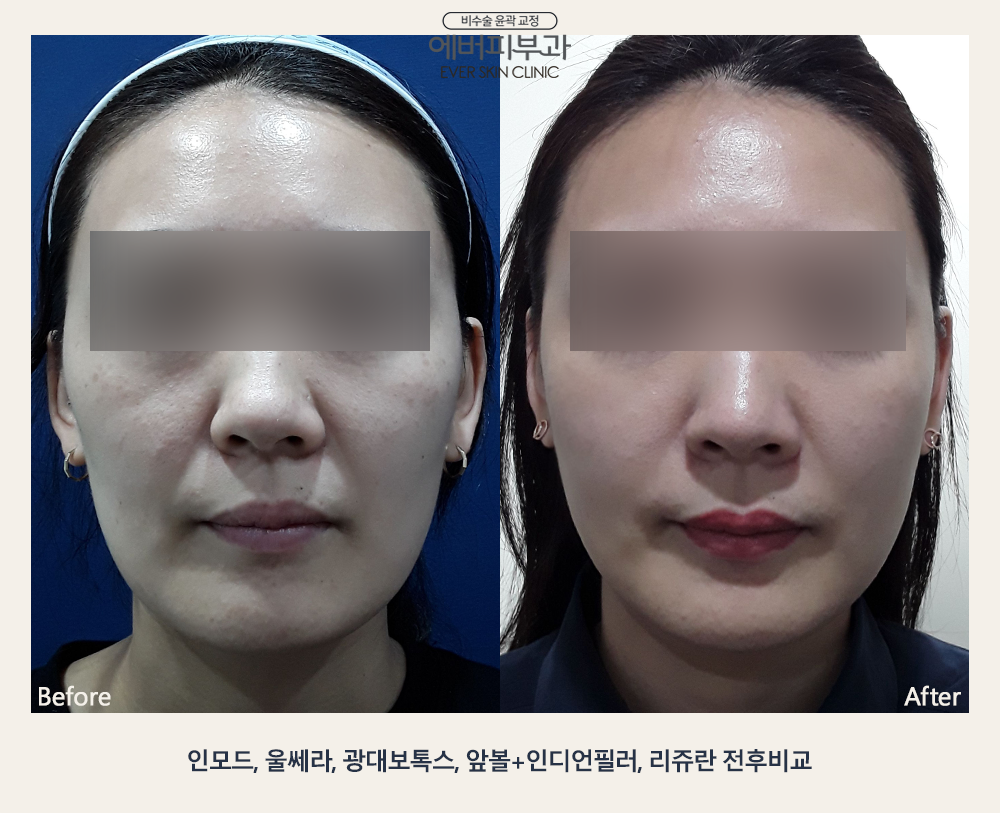
Real patient · before & after
Example of our non-surgical results
This case shows a combined lifting, contouring and skin-quality program, shared as an example of our non-surgical work. It is not a PRP or scar treatment result.
Ask us for scar-specific cases at consultation, and your dermatologist will explain what PRP can add to your plan.
Photos are shared with the patient's consent and are not retouched apart from privacy blurring. Results differ from person to person and are not guaranteed.
See more before & after photosRecovery & safety
Recovery, side effects and aftercare
Redness, swelling and pinpoint marks usually settle within one to three days; bruising at injection or blood-draw sites can last longer. Infection is rare. The combined treatment, such as laser or subcision, determines most of the downtime.
Tell your dermatologist if you take blood thinners, aspirin or anti-inflammatory painkillers, have a platelet or bleeding disorder, anaemia, active infection, cancer, a keloid tendency, or are pregnant or breastfeeding.
Aftercare tips
- Avoid make-up for the rest of the day
- Skip anti-inflammatory painkillers for a few days unless prescribed
- Avoid saunas, alcohol and intense exercise for 1 to 2 days
- Use gentle skincare and daily sunscreen
- Do not pick any crusts or scabs
Questions we hear every day
PRP for Scars FAQ
Is PRP for scars painful?
The blood draw feels like a normal blood test. Numbing cream is applied before injections or microneedling, so most patients feel pressure and mild stinging. The skin may feel tender for a day or two.
How many PRP sessions will I need?
Most patients have about three to four sessions roughly four weeks apart, usually combined with another scar treatment. Collagen continues to build for months, so results are judged two to three months after the course.
Is PRP better than exosomes for scars?
Both aim to support repair and collagen renewal. PRP uses your own blood, while exosomes are a prepared solution without a blood draw. Evidence for both is still developing, and your dermatologist will suggest the option that fits your skin and preferences.
Can PRP alone remove acne scars?
Usually not. PRP mainly enhances and speeds up the results of microneedling, laser or subcision. Deep or tethered scars need those targeted methods, with PRP as a supporting step.
Can I have PRP during a short visit to Seoul?
Yes. Downtime from PRP itself is usually one to three days, and the blood is prepared during the same visit. If you plan a full course, tell us your travel dates so we can schedule sessions.
Talk to a board-certified dermatologist in Apgujeong
Send us your skin concern and photos on WhatsApp. An English-speaking team member will reply and arrange your consultation.
Mon & Thu 10:00–19:00 · Tue & Fri 10:00–20:00 · Sat 10:00–16:00 · Closed Wed, Sun & holidays