
Freckle Removal in Apgujeong, Gangnam Seoul
Board-Certified Dermatologist Top 2% in Korea 13+ Years
Freckle Removal · quick answer
What freckle removal does, in one paragraph
Freckle removal uses pigment-targeting lasers, most often a pico or Q-switched Nd:YAG laser, to break up the extra melanin in freckles so the body can clear it. Freckles usually lighten over two to four weeks, and many people need one to three sessions. At Ever Skin Clinic in Apgujeong, a board-certified dermatologist first checks that the spots are freckles rather than melasma or other pigment, then chooses the laser and settings for your skin type.
Medically reviewed by Dr. Jieun Kim, M.D. Founder & Director, board-certified dermatologist. Dermatology residency at Hanyang University Hospital; adjunct professor, Hanyang University College of Medicine. Meet our dermatologists Last reviewed October 2026
- Technology
- Pico laser, Q-switched Nd:YAG laser; IPL for selected fair skin
- Best for
- Small, flat, sun-related brown spots on the face
- Sessions
- Often 1 to 3, about 4 weeks apart
- Downtime
- Redness and fine dark crusts for about 5 to 7 days
- Results
- Fading over 2 to 4 weeks; new freckles can form with sun exposure
The treatment
What is laser freckle removal?
Freckles (ephelides) are small, flat brown spots where pigment cells make more melanin in response to sunlight. They are harmless and partly genetic, and they tend to darken in summer. Lasers deliver very short pulses of light absorbed by melanin, shattering the pigment into fine particles that the skin clears over the following weeks.
We usually use a pico laser or Q-switched laser. Freckles are different from melasma, which can worsen with strong laser energy, so diagnosis matters before treatment.
Options we may suggest
- Pico laser: ultra-short pulses for precise spot treatment
- Q-switched Nd:YAG laser: an established pigment laser for sun freckles
- IPL: broad light for many fine freckles in fair skin, used with care
- Mild peels and topical brighteners: support for light, diffuse freckling
- Daily sun protection: essential to slow new freckles forming
Is it right for you?
Who is a good candidate?
Freckle removal suits people with clearly defined freckles who are happy to protect their skin from the sun afterwards. It works best when the skin is not tanned at the time of treatment.
In medium to darker skin, lasers can trigger post-inflammatory hyperpigmentation, so we use more conservative settings, test spots or a gentler course. If your spots are larger and appeared later in life, see age spot removal.
Freckle removal may suit you if you
- Have small, flat freckles across the nose and cheeks
- Want a clearer, more even complexion
- Can avoid strong sun and tanning for several weeks
- Do not have active eczema or infection in the area
- Understand that freckles can return with sun exposure
Your visit
What happens during treatment
A facial freckle session usually takes about 30 minutes including preparation.
- Skin assessment A board-certified dermatologist examines the spots, rules out melasma and other pigment and agrees the plan.
- Cleansing and numbing The skin is cleansed and numbing cream may be applied for comfort.
- Laser treatment Each freckle or area is treated with the chosen laser; it feels like quick snaps against the skin.
- Aftercare We soothe the skin, apply protection and explain how to care for the small crusts.
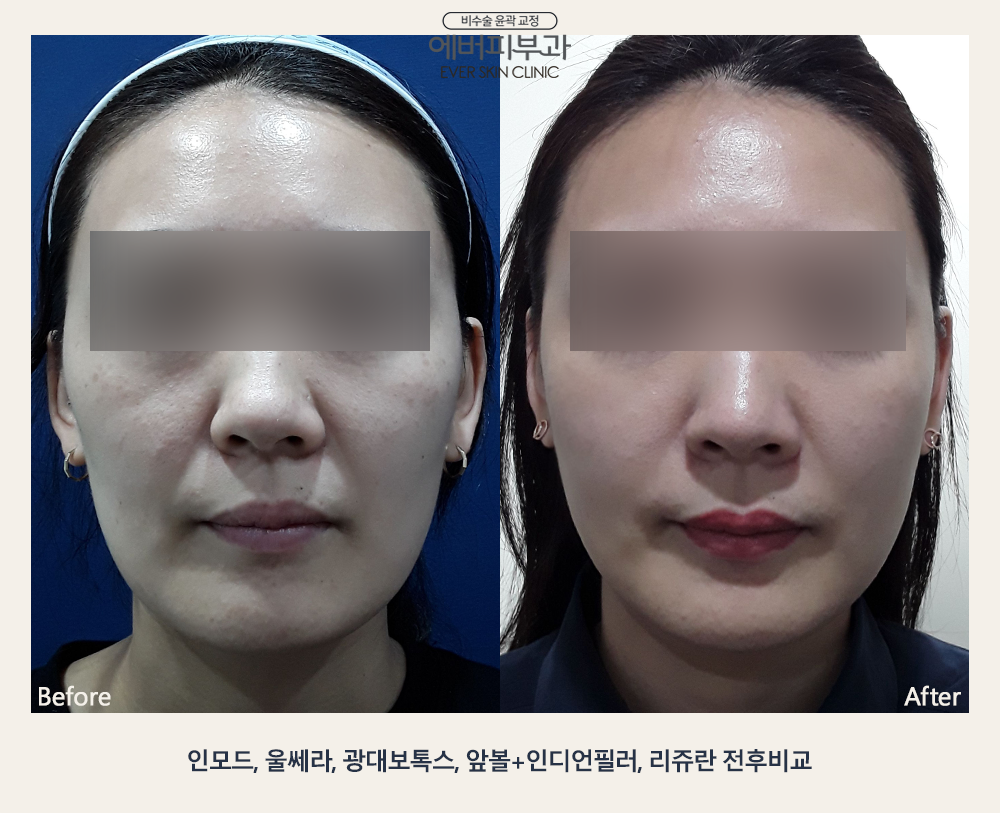
Real patient · before & after
An example of our clinic's results
This case shows a combined lifting, contouring and skin-quality program, shown as an example of our non-surgical results. It is not a freckle removal result.
Outcomes of freckle removal depend on the condition and on each person's skin. Ask us for freckle removal-specific examples and a realistic outlook at consultation.
Photos are shared with the patient's consent and are not retouched apart from privacy blurring. Results differ from person to person and are not guaranteed.
See more before & after photosRecovery & safety
Recovery, side effects and aftercare
Treated freckles often darken and form fine crusts that flake off within about five to seven days. Redness and mild swelling are common for a day or two. Possible risks include temporary darkening (post-inflammatory hyperpigmentation), lighter patches and, rarely, blistering, which is why settings are chosen for your skin type.
Tell your dermatologist if you have a recent tan, melasma, a history of keloids or cold sores, take photosensitising medicines or isotretinoin, or are pregnant. Travellers should allow about a week before important events or flights home if visible crusts are a concern.
Aftercare tips
- Do not pick or scrub the small crusts
- Apply broad-spectrum SPF 50 sunscreen every day and reapply outdoors
- Use a gentle cleanser and moisturiser for a week
- Avoid saunas, peels and retinoids until the skin has settled
- Wear a hat and avoid tanning between sessions
Questions we hear every day
Freckle Removal FAQ
Does freckle laser hurt?
Most patients describe a quick snapping or warm sensation. Numbing cream can be applied beforehand, and a facial session takes only minutes of laser time. Discomfort usually settles soon after, with some warmth and redness for a few hours.
How many sessions will I need?
Many people see clear lightening after one session, and often one to three sessions spaced about four weeks apart are enough. The number depends on how many freckles you have, how dark they are and your skin type.
Will my freckles come back?
Treated freckles can return, and new ones can form, because the tendency is partly genetic and driven by sunlight. Daily sunscreen and avoiding tanning help results last longer, and occasional touch-up sessions are common.
Is freckle removal safe for darker skin?
It can be, with care. Darker skin has a higher risk of temporary darkening after laser, so we use conservative settings, may test a small area first, and may combine lasers with topical brighteners. Your dermatologist will explain your risk at consultation.
Can I have it done on a short trip?
Yes, but plan around the crusts, which usually flake off within about a week. Avoid strong sun, beaches and tanning during your trip afterwards, and keep wearing sunscreen when you return home.
Talk to a board-certified dermatologist in Apgujeong
Send us your skin concern and photos on WhatsApp. An English-speaking team member will reply and arrange your consultation.
Mon & Thu 10:00–19:00 · Tue & Fri 10:00–20:00 · Sat 10:00–16:00 · Closed Wed, Sun & holidays