
Accutane (Isotretinoin) in Apgujeong,
Gangnam, Seoul
Board-Certified Dermatologist Top 2% in Korea 13+ Years
Accutane (Isotretinoin) · quick answer
What Accutane does, in one paragraph
Accutane is a brand name for isotretinoin, an oral vitamin A derivative prescribed for severe, cystic, scarring or treatment-resistant acne. It shrinks the oil glands and reduces oil production, clogged pores and inflammation, which often leads to long-lasting improvement after a full course. Because it has important side effects and must never be taken during pregnancy, it needs medical supervision. At Ever Skin Clinic, a board-certified dermatologist assesses your acne and health before deciding whether isotretinoin is appropriate and how to monitor it.
Medically reviewed by
Dr. Jieun Kim, M.D.
Founder & Director, Ever Skin Clinic · Board-certified dermatologist
- Adjunct Professor, Hanyang University College of Medicine
- Dermatology residency, Hanyang University Hospital
- Master’s degree in Dermatology, Hanyang University
- Regular Member, Korean Dermatological Association
- Regular Member, Korean Laser Medicine Association
- Member, World Congress of Dermatology
- Published in JAAD and Annals of Dermatology
- English-speaking consultations
Meet our dermatologists → Last reviewed October 2026
- Medication
- Oral isotretinoin (vitamin A derivative)
- Best for
- Severe, cystic or scarring acne; acne resistant to other treatments
- Course
- Usually several months, dose adjusted to your weight and response
- Monitoring
- Regular follow-up; blood tests and pregnancy prevention as advised
- Results
- Breakouts typically ease over 1 to 3 months; many stay clearer long term
The treatment
What is Accutane?
Isotretinoin is the only acne medicine that acts on all main causes of acne at once: excess oil, blocked pores, the acne bacterium C. acnes and inflammation. It works mainly by reducing the size and activity of the sebaceous (oil) glands, which is why its benefit can last after the course ends.
It is a prescription-only medicine and is usually considered when other acne treatments have not worked or when acne is causing scars. In-clinic treatments such as acne facials can sometimes be continued gently alongside it, while stronger procedures are usually timed with your dermatologist.
What isotretinoin targets
- Oil production - shrinks sebaceous glands and reduces sebum
- Clogged pores - normalises how skin cells shed inside the follicle
- Bacteria - less oil means a poorer environment for C. acnes
- Inflammation - fewer red, painful and cystic lesions
Is it right for you?
Who may be a candidate?
Isotretinoin may be suitable for moderate to severe acne, nodular or cystic acne, acne that leaves scars, and acne that keeps returning despite antibiotics and topical treatment. Your dermatologist reviews your medical history, medications, mental health history and pregnancy plans before prescribing.
It is not suitable during pregnancy or breastfeeding, and people who could become pregnant must use reliable contraception before, during and for a period after the course, as advised by the doctor.
Accutane may be considered if you have
- Severe inflammatory, nodular or cystic acne
- Acne that is causing scarring or dark marks
- Acne that has not improved with antibiotics or topicals
- Acne that relapses quickly after stopping other treatment
- Persistent adult acne, including on the chest or back

Your visit
How treatment works
Isotretinoin is a course of tablets, not a single procedure, so follow-up is part of the plan.
- Assessment A board-certified dermatologist grades your acne and reviews your health, medications and pregnancy plans.
- Baseline checks Blood tests and a pregnancy test may be arranged before starting, depending on your situation.
- Prescription A starting dose is chosen for your weight and acne, and side effects and precautions are explained.
- Follow-up Regular reviews track progress and side effects, with the dose adjusted and tests repeated as needed.
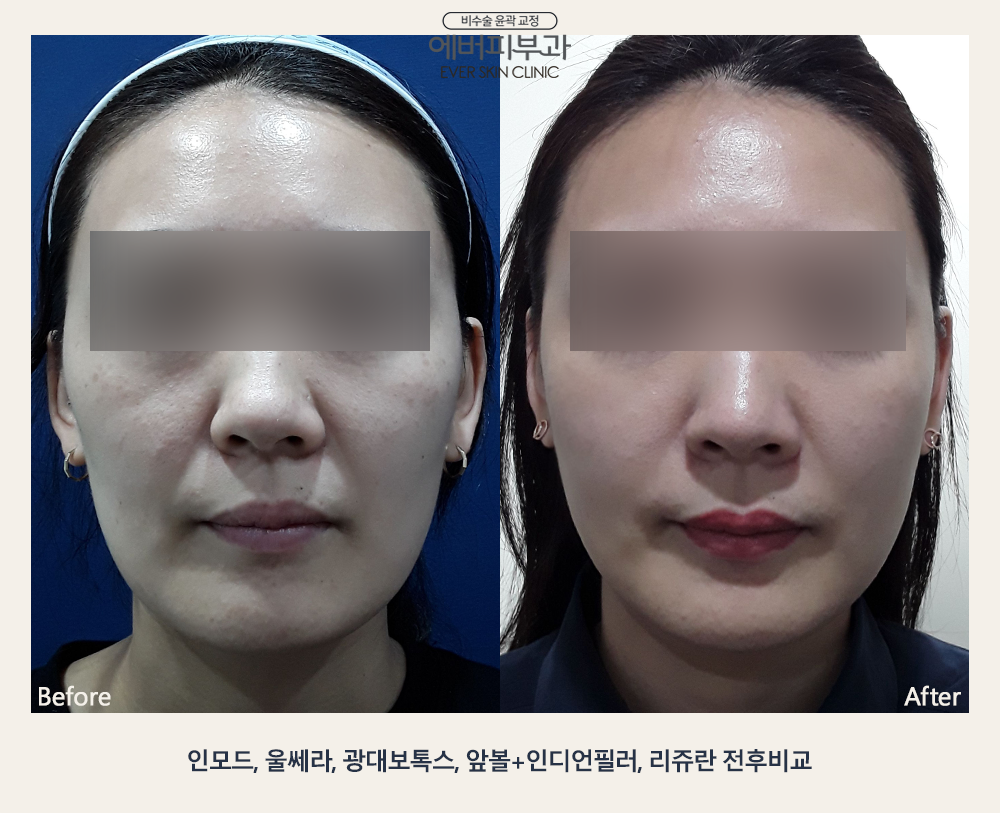
Real patient · before & after
Example of our dermatology results
This case shows a combined lifting, contouring and skin-quality program, shared as an example of our non-surgical work. It is not an isotretinoin or acne treatment result.
Response to isotretinoin varies between patients, so ask us about acne-specific cases at consultation and your dermatologist will explain what to expect for your skin.
Photos are shared with the patient's consent and are not retouched apart from privacy blurring. Results differ from person to person and are not guaranteed.
See more before & after photosSide effects & safety
Side effects, safety and practical tips
Dry lips, dry skin and eyes, sun sensitivity, nosebleeds and an initial flare of acne are common. Less often, isotretinoin can raise blood fats or liver enzymes, cause muscle or joint aches, or affect mood. Isotretinoin causes serious birth defects, so pregnancy must be avoided during treatment and for a period afterwards.
Tell your dermatologist if you are pregnant, planning pregnancy or breastfeeding, have a history of depression or other mental health conditions, liver disease or high cholesterol, or take tetracycline antibiotics or vitamin A supplements. Seek help promptly for mood changes, severe headache or vision problems.
Aftercare tips
- Use lip balm and a rich, gentle moisturiser several times a day
- Apply sunscreen daily and avoid tanning
- Avoid waxing, lasers and deep peels during treatment unless your dermatologist advises
- Do not donate blood or share your tablets
- Keep all follow-up and blood test appointments
Questions we hear every day
Accutane (Isotretinoin) FAQ
How long does an Accutane course last?
Many courses last around five to eight months, but this varies with the dose, your weight and how your skin responds. Your dermatologist adjusts the plan at each follow-up and decides when to stop based on your progress.
Will my acne come back after Accutane?
Many patients stay clear or have much milder acne for a long time after a full course. Some relapse, particularly with lower total doses or hormonal acne, and may need a further course or other treatment. Your dermatologist will discuss maintenance.
What are the most common side effects?
Dry lips, dry skin, dry eyes and sun sensitivity are very common and usually manageable with moisturisers and lip balm. Acne can flare in the first weeks. Less common effects include aches, raised blood fats or liver enzymes and mood changes, which are monitored.
Can I get Accutane while visiting Seoul?
Isotretinoin needs ongoing follow-up and sometimes blood tests, so it is best for patients living in Korea or staying long enough for reviews. If you are visiting briefly, we can assess your acne and advise you to continue care with a doctor at home.
Can I have laser or peels while taking Accutane?
Skin heals more slowly and is more fragile on isotretinoin, so aggressive lasers, deep peels and waxing are usually avoided during treatment and for a period afterwards. Gentle treatments may be possible. Always check with your dermatologist before booking.
Talk to a board-certified dermatologist in Apgujeong
Send us your skin concern and photos on WhatsApp. An English-speaking team member will reply and arrange your consultation.
Mon & Thu 10:00–19:00 · Tue & Fri 10:00–20:00 · Sat 10:00–16:00 · Closed Wed, Sun & holidays