Mole Removal in Apgujeong, Gangnam Seoul
Board-Certified Dermatologist Top 2% in Korea 13+ Years
Mole Removal · quick answer
What mole removal involves, in one paragraph
Mole removal takes away a mole (naevus) for cosmetic reasons, irritation or medical concern. Small, benign-looking flat or raised moles are often removed with a CO2 laser, while larger, deeper or suspicious moles are removed by shave, punch or excision so the tissue can be examined. At Ever Skin Clinic in Apgujeong, a board-certified dermatologist examines each mole with a dermatoscope first and chooses the method based on both safety and the likely scar.
Medically reviewed by Dr. Jieun Kim, M.D. Founder & Director, board-certified dermatologist. Dermatology residency at Hanyang University Hospital; adjunct professor, Hanyang University College of Medicine. Meet our dermatologists Last reviewed October 2026
- Methods
- CO2 laser; shave, punch or elliptical excision with pathology when needed
- Best for
- Benign moles that are unwanted, irritated or catching; suspicious moles for testing
- Treatment time
- Usually 10 to 30 minutes
- Downtime
- Scab or stitches for about 1 to 2 weeks; pink mark fades over months
- Sessions
- Usually one; deeper laser removals sometimes need a touch-up
The treatment
How mole removal works
Moles are clusters of pigment cells. Most are harmless, but a few change over time, and melanoma can begin as or resemble a mole. For that reason, the first step is always examination. Moles that look typical and benign may be vaporised with laser for a fine result; any mole with concerning features is removed whole and sent for pathology rather than lasered.
Small skin tags and other benign bumps are covered on skin tag and growth removal. If you are prone to raised scars, read about keloids before removal on the chest or shoulders.
Methods we use
- CO2 laser: for small, benign-looking moles, especially on the face
- Shave removal: for raised moles, with the sample sent for testing
- Punch removal: a small round cut for deeper small moles, sometimes with a stitch
- Excision: for larger or suspicious moles, with stitches and pathology
- Checks: dermatoscope examination of moles you are worried about
Is it right for you?
Who is a good candidate?
Removal suits people with moles that are cosmetically unwanted, irritated by shaving or clothing, or that a dermatologist recommends testing. Many patients have a small facial mole removed during a visit to Seoul.
See a dermatologist promptly if a mole is new in adulthood or shows the ABCDE warning signs: asymmetry, irregular border, several colours, diameter larger than about 6 mm, or evolving size, shape or colour, or if it itches or bleeds.
Mole removal may suit you if you have
- A small facial mole you would like removed
- A raised mole that catches on clothes or a razor
- A mole that has changed or that you are worried about
- Several benign moles you want checked and treated
- A previous laser removal that has partly regrown
Your visit
What happens during treatment
Most mole removals can be done on the day of consultation.
- Examination A board-certified dermatologist checks the mole with a dermatoscope and chooses laser or excision.
- Local anaesthetic The area is numbed with cream or a small injection.
- Removal The mole is removed by laser, shave, punch or excision; samples go for pathology when indicated.
- Dressing and results A patch or stitches are applied, and we explain aftercare and how pathology results will be shared.
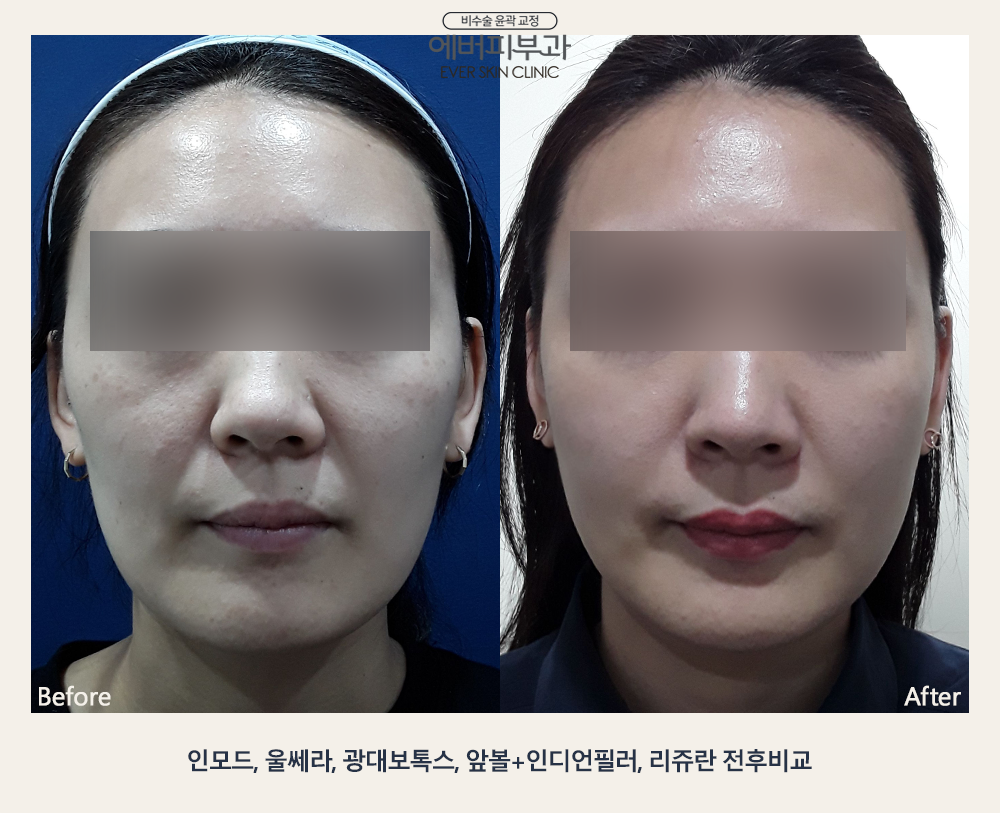
Real patient · before & after
An example of our clinic's results
This case shows a combined lifting, contouring and skin-quality program, shown as an example of our non-surgical results. It is not a mole removal result.
Outcomes of mole removal depend on the condition and on each person's skin. Ask us for mole removal-specific examples and a realistic outlook at consultation.
Photos are shared with the patient's consent and are not retouched apart from privacy blurring. Results differ from person to person and are not guaranteed.
See more before & after photosRecovery & safety
Recovery, side effects and aftercare
Laser and shave sites form a small scab that heals in about one to two weeks, leaving a pink mark that fades over several months. Stitches are usually removed in about one to two weeks depending on the site. Risks include a visible or depressed scar, colour change, infection and regrowth of pigment, particularly after laser removal of deeper moles.
Tell your dermatologist if you have a history of keloids, a personal or family history of melanoma, take blood thinners, or are pregnant. If you are travelling, ask how stitch removal and pathology results will be handled before you leave Seoul.
Aftercare tips
- Keep the hydrocolloid patch or ointment on as instructed
- Avoid swimming and saunas until the wound has closed
- Let scabs come off by themselves
- Use sunscreen on the healed mark for several months
- Report any regrowth or change at the site
Questions we hear every day
Mole Removal FAQ
Will mole removal leave a scar?
Any removal that goes into the skin can leave a mark. Small laser or shave removals often fade to a faint spot, while excisions leave a fine line. Scarring depends on mole size, depth, location and your healing tendency.
Can a mole grow back after laser?
Yes, sometimes. If pigment cells remain deep in the skin, some colour can return over months. A touch-up may be possible, but a mole that regrows should be checked again before further laser.
Is the mole tested?
Moles removed by shave, punch or excision can be sent for pathology, and suspicious moles always are. Laser vaporises tissue, so it is used only for moles that look benign on examination.
Does it hurt?
A local anaesthetic is used, so most people feel only the brief sting of the numbing injection. Afterwards the site may feel tender for a day or two.
Can I have a mole removed during a short stay?
Usually yes. Laser and shave sites need about one to two weeks to heal, and stitches may need removal. Discuss your travel dates so we choose a suitable method and explain how to receive any test results.
Talk to a board-certified dermatologist in Apgujeong
Send us your skin concern and photos on WhatsApp. An English-speaking team member will reply and arrange your consultation.
Mon & Thu 10:00–19:00 · Tue & Fri 10:00–20:00 · Sat 10:00–16:00 · Closed Wed, Sun & holidays