Fractional CO2 Laser in Apgujeong, Gangnam Seoul
Board-Certified Dermatologist Top 2% in Korea 13+ Years
Fractional CO2 Laser · quick answer
What fractional CO2 laser does, in one paragraph
Fractional CO2 laser is an ablative resurfacing treatment. A 10,600 nm carbon dioxide laser vaporises thousands of microscopic columns of skin while leaving the skin between them intact, so the skin heals faster than with older fully ablative lasers. The healing response remodels collagen, improving acne scars, wrinkles, enlarged pores and sun damage over several months. At Ever Skin Clinic in Apgujeong, a board-certified dermatologist adjusts the depth and density to your skin type and the downtime you can allow.
Medically reviewed by Dr. Jieun Kim, M.D. Founder & Director, board-certified dermatologist. Dermatology residency at Hanyang University Hospital; adjunct professor, Hanyang University College of Medicine. Meet our dermatologists Last reviewed October 2026
- Technology
- Ablative fractional CO2 laser (10,600 nm)
- Best for
- Acne and atrophic scars, wrinkles, rough texture, enlarged pores, sun damage
- Sessions
- Often 2 to 4, about 4 to 6 weeks apart
- Downtime
- Redness and peeling for about 5 to 7 days; pinkness can last weeks
- Results
- Improve over 3 to 6 months as collagen remodels
The treatment
What is fractional CO2 laser resurfacing?
CO2 lasers have been used in dermatology for decades. Traditional full resurfacing removed the entire surface and needed weeks of recovery. Fractional delivery treats only a fraction of the skin in each session, typically leaving most of it untouched, which shortens healing to about a week while still triggering strong collagen remodelling.
Treatment can be light, with a few days of downtime, or deeper for more significant scars. For deep ice-pick scars it is often combined with TCA CROSS or subcision; patients who need less downtime may prefer Potenza RF microneedling.
What fractional CO2 can treat
- Acne scars — rolling, boxcar and other atrophic scars
- Wrinkles and fine lines , including around the eyes and mouth
- Rough texture and enlarged pores
- Sun damage and some superficial pigment
- Surgical or traumatic scars after assessment
Is it right for you?
Who is a good candidate?
Fractional CO2 suits adults with textural scarring or photo-ageing who can allow about a week of recovery and strict sun protection afterwards. Lighter skin types tolerate it most easily; darker skin can be treated with lower density and pre-treatment skincare, but the risk of temporary hyperpigmentation is higher.
It is not recommended if you have taken oral isotretinoin in roughly the last 6 months, have tanned skin, or have a history of hypertrophic scars or keloids.
Fractional CO2 may suit you if you
- Have acne scars that have not improved with gentler treatments
- Have wrinkles, sun damage or rough texture
- Can take about 5 to 7 days of social downtime
- Can avoid strong sun for at least a month
- Are not currently using isotretinoin or tanned
Your visit
What happens during treatment
Allow about 1.5 hours in clinic: numbing takes the longest, the laser itself about 15 to 30 minutes.
- Consultation A board-certified dermatologist assesses scars and skin type and agrees depth, density and timing with you; antivirals may be prescribed if you get cold sores.
- Numbing A thick layer of numbing cream is applied for about 45 to 60 minutes.
- Laser resurfacing The scanner delivers microbeams across the area; you feel heat and prickling.
- Aftercare We cool the skin, apply a healing ointment and book a check, often around 1 week.
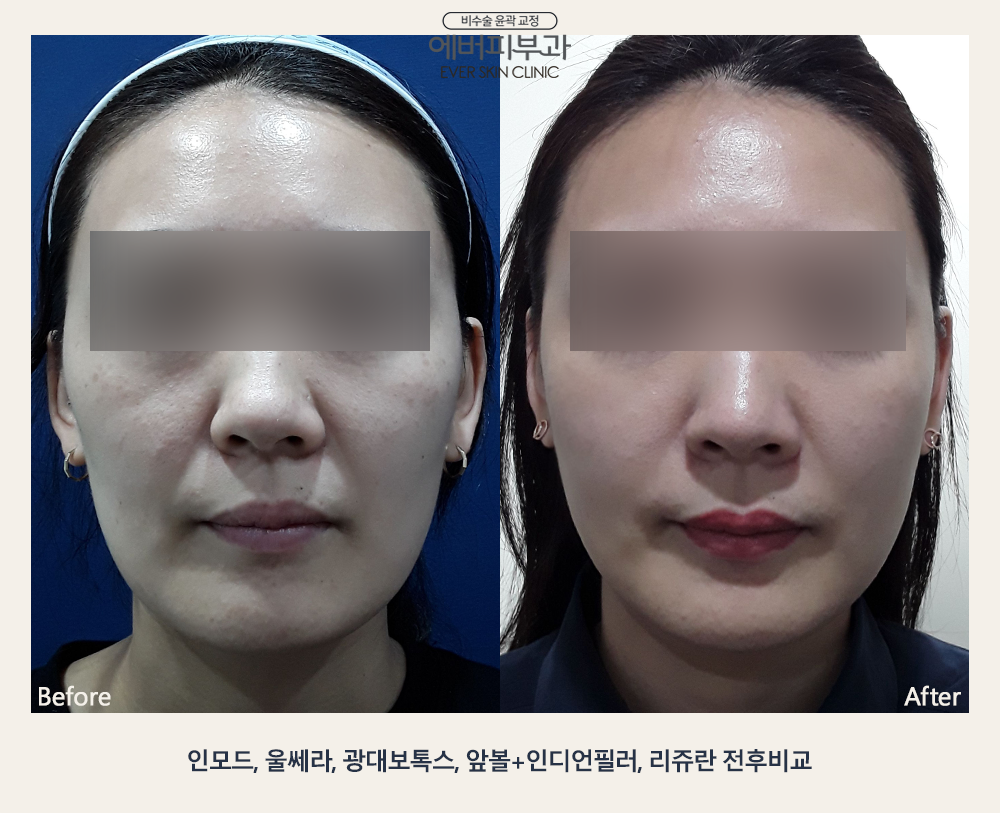
Real patient · before & after
An example of our non-surgical results
This case shows a combined lifting and skin program and is included only as an example of our non-surgical work; it is not a fractional CO2 laser result.
Scar and texture results develop over months and vary by scar type, so ask us for CO2-specific cases at consultation.
Photos are shared with the patient's consent and are not retouched apart from privacy blurring. Results differ from person to person and are not guaranteed.
See more before & after photosRecovery & safety
Recovery, side effects and aftercare
Expect redness, swelling and warmth for 1 to 2 days, then a fine mesh-like pattern and peeling for about 5 to 7 days; most people wear make-up again around day 5 to 7. Pinkness can persist for several weeks. Possible complications include post-inflammatory hyperpigmentation, acne flares, cold sore reactivation, infection and, rarely, scarring.
Tell your dermatologist if you have used isotretinoin recently, take blood thinners or photosensitising drugs, have cold sores, keloids or vitiligo, have tanned skin, or are pregnant.
Aftercare tips
- Keep the skin moist with the recommended ointment while it heals
- Do not pick or rub off peeling skin
- Use SPF 50 and avoid direct sun for at least 1 month
- Avoid retinoids, acids and scrubs for about 2 weeks
- Skip saunas, swimming and intense exercise until healed
Questions we hear every day
Fractional CO2 Laser FAQ
Does fractional CO2 laser hurt?
With strong numbing cream, most patients feel heat and prickling that is uncomfortable but tolerable. Cooling air is used during treatment. The skin feels like a sunburn for a day or two afterwards.
How much downtime should I expect?
Typically about 5 to 7 days of redness, swelling and peeling, with make-up possible around day 5 to 7. Lighter settings need less time; deeper treatment for scars needs more. Pinkness may last a few weeks.
How many sessions are needed for acne scars?
Many patients need 2 to 4 sessions, 4 to 6 weeks apart, often combined with other scar techniques. Each session builds on the last, and final results are judged about 6 months after the course.
Can I have fractional CO2 during a trip to Seoul?
Yes, if you stay about a week to heal and attend a check-up. Avoid flying straight to a sunny beach afterwards. We usually recommend planning it at the start of your stay rather than the day before your flight.
Is fractional CO2 safe for darker skin?
It can be used with lower density, conservative energy and pre-treatment skincare, but the risk of temporary darkening is higher. Alternatives such as RF microneedling may be suggested. Your dermatologist will discuss which option balances results and risk for you.
Talk to a board-certified dermatologist in Apgujeong
Send us your skin concern and photos on WhatsApp. An English-speaking team member will reply and arrange your consultation.
Mon & Thu 10:00–19:00 · Tue & Fri 10:00–20:00 · Sat 10:00–16:00 · Closed Wed, Sun & holidays