Keloid & Hypertrophic Scar Treatment in Apgujeong, Gangnam Seoul
Board-Certified Dermatologist Top 2% in Korea 13+ Years
Keloid & Hypertrophic Scar Treatment · quick answer
What keloid and raised scar treatment does, in one paragraph
Keloid and hypertrophic scar treatment flattens and softens raised scars and eases itch or pain. The mainstay is a series of corticosteroid injections into the scar, often combined with vascular or fractional laser, cryotherapy, and silicone gel or pressure at home. Keloids can recur, especially after surgery alone, so treatment is usually a planned course. At Ever Skin Clinic in Apgujeong, a board-certified dermatologist distinguishes keloids from hypertrophic scars and tailors the combination.
Medically reviewed by Dr. Jieun Kim, M.D. Founder & Director, board-certified dermatologist. Dermatology residency at Hanyang University Hospital; adjunct professor, Hanyang University College of Medicine. Meet our dermatologists Last reviewed October 2026
- Treats
- Keloids, hypertrophic scars, raised acne and piercing scars
- Main methods
- Steroid injections, laser, cryotherapy, silicone gel or sheets
- Sessions
- Injections often every 4 to 6 weeks for several sessions
- Downtime
- Minimal; small bruise or redness at injection sites
- Outlook
- Scars usually flatten and soften; keloids can recur
The condition
What are keloids and hypertrophic scars?
Both are raised scars caused by an overproduction of collagen during healing. A hypertrophic scar stays within the original wound and often improves slowly over a year or two. A keloid grows beyond the wound edge, can keep enlarging, and often itches or hurts. Keloids are more common on the earlobes, chest, shoulders and jawline, in people with darker skin and in families with a history of them.
Raised scars need a different approach from depressed acne scars, which are covered under scar removal. For flat but wide or poorly placed scars, see scar revision.
Treatments we combine
- Corticosteroid injections: reduce collagen build-up, height, itch and pain
- Vascular or fractional laser: reduces redness and improves texture
- Cryotherapy: freezing to shrink selected scars
- Silicone gel or sheets and pressure: home care that supports results
- Surgical removal: considered selectively, combined with injections to lower recurrence
Is it right for you?
Who is a good candidate?
Treatment suits anyone with a raised, firm, itchy or growing scar, whether from acne, piercing, surgery or injury. Earlier treatment generally gives better control than waiting until a keloid is large.
If you have had keloids before, tell any doctor before procedures such as piercing, mole removal or laser, so precautions can be taken.
Treatment may suit you if you have
- A raised scar after acne on the chest, back or jaw
- A keloid on the earlobe after piercing
- A thick scar after surgery or injury
- An itchy or painful scar that keeps growing
- A previous keloid that has started to return
Your visit
What happens during treatment
Most sessions take 15 to 30 minutes, so treatment fits around work or travel.
- Assessment A board-certified dermatologist examines the scar, its history and your risk factors and plans the combination.
- Comfort Numbing cream, ice or local anaesthetic may be used before injections.
- Treatment Steroid is injected into the scar, sometimes with laser or cryotherapy in the same session.
- Home care and review We explain silicone or pressure care and book the next session, typically in 4 to 6 weeks.
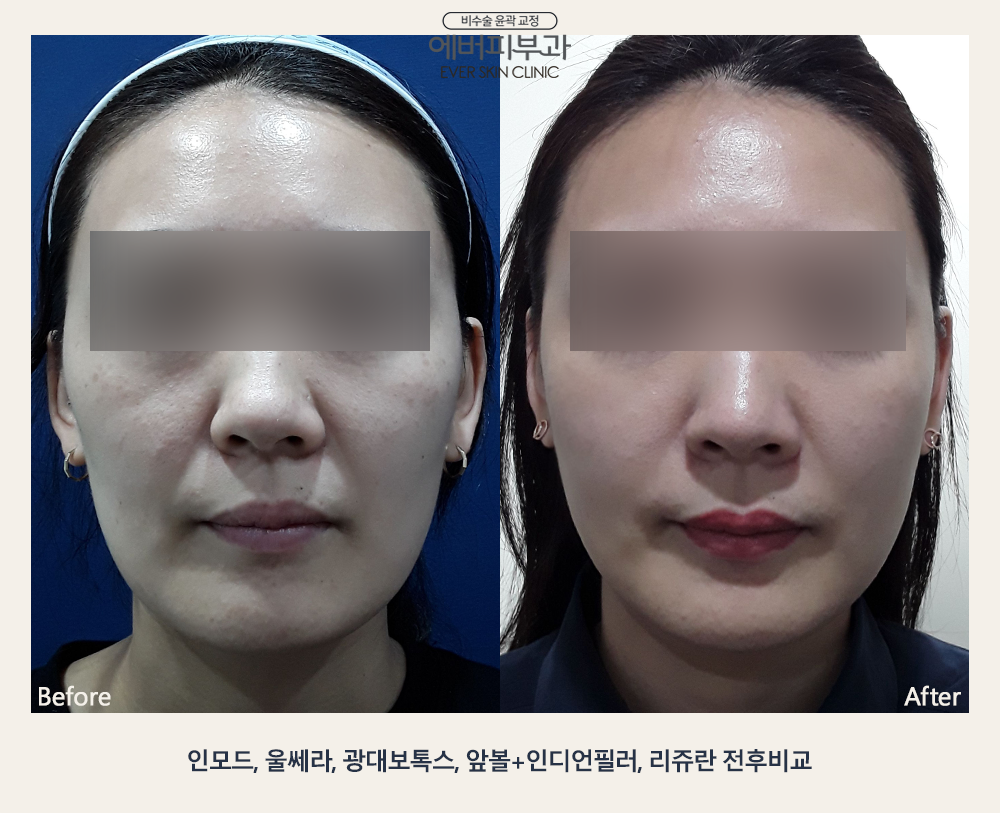
Real patient · before & after
An example of our clinic's results
This case shows a combined lifting, contouring and skin-quality program, shown as an example of our non-surgical results. It is not a keloid treatment result.
Outcomes of keloid treatment depend on the condition and on each person's skin. Ask us for keloid treatment-specific examples and a realistic outlook at consultation.
Photos are shared with the patient's consent and are not retouched apart from privacy blurring. Results differ from person to person and are not guaranteed.
See more before & after photosRecovery & safety
Side effects and safety
Injections can sting and cause small bruises. Steroid can thin the skin around the scar, cause lighter skin or small visible vessels, especially with repeated doses, which is why dosing is cautious and spaced. Laser and cryotherapy may cause temporary redness, blistering or colour change, particularly in darker skin.
Tell your dermatologist if you are pregnant or breastfeeding, have diabetes, an infection in the area, or take blood thinners. For international patients, a course works best when you can return every four to six weeks, or continue injections with a doctor at home.
Aftercare tips
- Use silicone gel or sheets daily as advised
- Avoid friction and tight clothing over the scar
- Protect scars from sun to limit darkening
- Do not re-pierce or have elective procedures on keloid-prone areas without advice
- Report any new growth early rather than waiting
Questions we hear every day
Keloid & Hypertrophic Scar Treatment FAQ
Can a keloid be removed permanently?
Keloids can often be flattened and made more comfortable, but they have a tendency to return, especially if cut out without follow-up treatment. Combining methods and continuing home care lowers the risk. Your dermatologist will explain the realistic outlook for your scar.
How many steroid injections will I need?
Most patients need several sessions spaced about four to six weeks apart, with the number depending on the size and age of the scar. The dose and interval are adjusted to how the scar responds and to protect surrounding skin.
Do keloid injections hurt?
Keloids are firm, so injections can sting. Numbing cream, ice or local anaesthetic help, and the injection itself is quick. Many patients find itching and tenderness of the scar improve after the first sessions.
What is the difference between a keloid and a hypertrophic scar?
A hypertrophic scar stays within the original wound and often improves slowly with time. A keloid spreads beyond the wound edge and may keep growing. The distinction affects treatment choices and recurrence risk, so a dermatologist assesses it first.
Can I start treatment while visiting Seoul?
Yes. We can assess the scar, give the first injection and set up home silicone care. Because a course usually needs repeat sessions, plan return visits or ask us for a summary to continue treatment with a doctor at home.
Talk to a board-certified dermatologist in Apgujeong
Send us your skin concern and photos on WhatsApp. An English-speaking team member will reply and arrange your consultation.
Mon & Thu 10:00–19:00 · Tue & Fri 10:00–20:00 · Sat 10:00–16:00 · Closed Wed, Sun & holidays