
Age Spot Removal in Apgujeong, Gangnam Seoul
Board-Certified Dermatologist Top 2% in Korea 13+ Years
Age Spot Removal · quick answer
What age spot removal does, in one paragraph
Age spot removal lightens solar lentigines, the flat brown spots caused by years of sun exposure on the face, hands, chest and shoulders. Pigment lasers such as pico or Q-switched lasers break up the melanin, and raised spots may need CO2 laser or cryotherapy. Most spots fade over two to four weeks after one or two sessions. At Ever Skin Clinic in Apgujeong, a board-certified dermatologist checks each spot first, since some dark spots need testing rather than laser.
Medically reviewed by Dr. Jieun Kim, M.D. Founder & Director, board-certified dermatologist. Dermatology residency at Hanyang University Hospital; adjunct professor, Hanyang University College of Medicine. Meet our dermatologists Last reviewed October 2026
- Treats
- Solar lentigines, sun spots, flat seborrhoeic keratoses
- Technology
- Pico laser, Q-switched Nd:YAG; CO2 laser or cryotherapy for raised spots
- Sessions
- Often 1 to 2, about 4 weeks apart
- Downtime
- Dark crusts for about 5 to 10 days
- Results
- Fading over 2 to 4 weeks; new spots can form with sun
The treatment
What are age spots?
Age spots, also called sun spots or liver spots, are harmless collections of pigment that appear after years of ultraviolet exposure, usually from the 30s or 40s onward. Unlike freckles, they are often larger, do not fade in winter and keep increasing with time. Some develop into raised, rough seborrhoeic keratoses.
Flat spots usually respond well to a pico laser or Q-switched laser. Raised spots may be removed as described on our skin growth removal page.
How we treat age spots
- Pico or Q-switched laser: targets melanin in flat spots
- CO2 laser: removes raised, rough keratoses
- Cryotherapy: freezing for selected well-defined spots
- Laser toning or IPL: for many small spots and overall uneven tone
- Topical brighteners and sunscreen: to support and maintain results
Is it right for you?
Who is a good candidate?
Good candidates have flat or slightly raised brown spots that a dermatologist has confirmed are benign. Hands and face are the most common areas treated.
Any spot that is changing quickly, very irregular, multicoloured or bleeding must be examined and may need a biopsy instead. If your pigment is patchy and hormonal, it may be melasma, which needs a gentler approach.
Age spot removal may suit you if you
- Have flat brown spots on the face, hands or chest
- Notice spots increasing after years of sun exposure
- Want a more even skin tone without surgery
- Can protect treated skin from sun afterwards
- Have had any unusual spots checked first
Your visit
What happens during treatment
Treatment of a few spots takes only minutes of laser time; allow about 30 minutes for the visit.
- Spot check A board-certified dermatologist examines each spot, often with a dermatoscope, and confirms it is suitable for laser.
- Preparation The skin is cleansed and numbing cream may be applied.
- Laser or removal Flat spots are treated with the pigment laser; raised spots with CO2 laser or freezing.
- Aftercare Patches or ointment are applied where needed, and we explain how to care for the crusts.
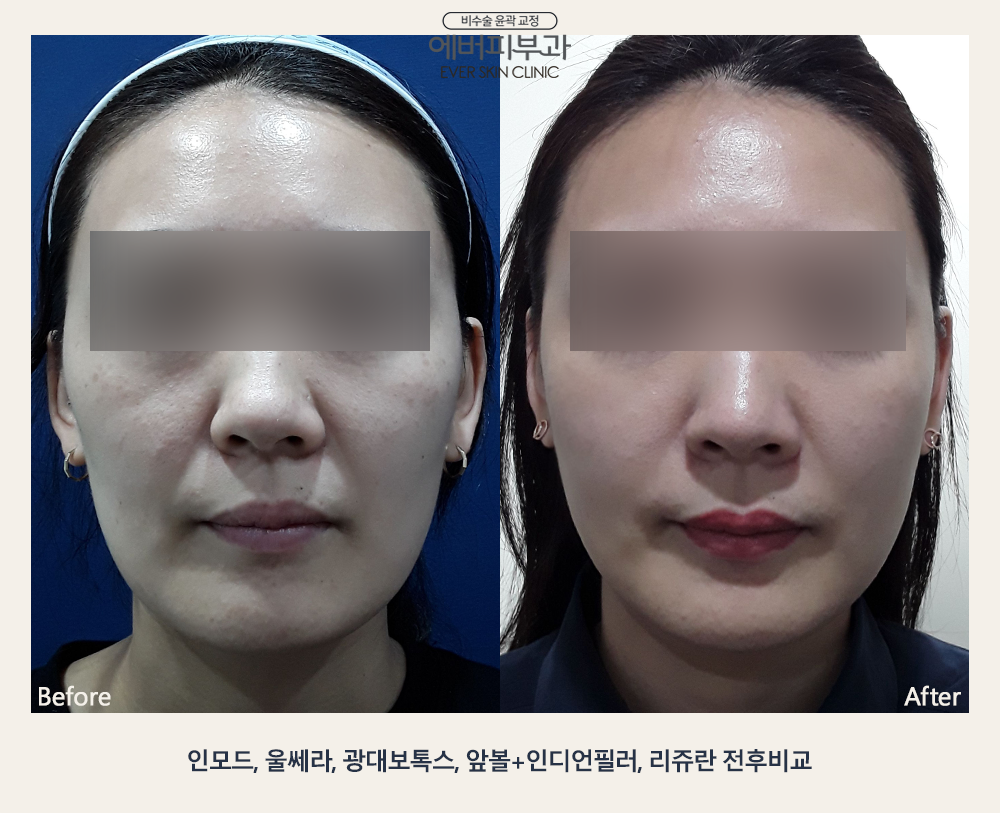
Real patient · before & after
An example of our clinic's results
This case shows a combined lifting, contouring and skin-quality program, shown as an example of our non-surgical results. It is not a age spot removal result.
Outcomes of age spot removal depend on the condition and on each person's skin. Ask us for age spot removal-specific examples and a realistic outlook at consultation.
Photos are shared with the patient's consent and are not retouched apart from privacy blurring. Results differ from person to person and are not guaranteed.
See more before & after photosRecovery & safety
Recovery, side effects and aftercare
Treated spots usually darken and form thin crusts that fall off within about five to ten days; hand spots can take a little longer. Temporary post-inflammatory darkening is the most common risk, especially in medium and darker skin, and lighter patches or recurrence are possible.
Tell your dermatologist if you have a recent tan, melasma, take isotretinoin or photosensitising medicines, have a history of keloids, or are pregnant. Visitors should allow a week of healing before beach holidays or important photos.
Aftercare tips
- Let crusts fall off naturally; do not pick them
- Use SPF 50 sunscreen daily on face and hands
- Wear gloves or sleeves when driving or outdoors
- Moisturise gently and avoid exfoliants for a week
- Book touch-ups for any spot that only partly fades
Questions we hear every day
Age Spot Removal FAQ
Does age spot laser hurt?
Most people feel quick snaps like a rubber band, and numbing cream can be used. Treating a few spots takes only minutes, and the treated area may feel warm for a short while afterwards.
How many sessions do I need?
Many flat age spots fade well after one session, and some need a second treatment about four weeks later. Thicker or raised spots may need a different method, which your dermatologist will explain.
Will age spots come back?
Treated spots may return partly, and new spots can appear with continued sun exposure. Daily sunscreen on face and hands, hats and avoiding tanning help results last longer.
Can age spots be cancerous?
Typical age spots are benign, but some skin cancers can look like a dark spot. That is why we examine each spot first. A changing, irregular or bleeding spot should be assessed and may need a biopsy rather than laser.
Can I treat age spots on my hands?
Yes. Hands respond well but heal a little more slowly than the face. Protect them from sun with sunscreen and gloves, and avoid harsh hand washes while the small crusts are healing.
Talk to a board-certified dermatologist in Apgujeong
Send us your skin concern and photos on WhatsApp. An English-speaking team member will reply and arrange your consultation.
Mon & Thu 10:00–19:00 · Tue & Fri 10:00–20:00 · Sat 10:00–16:00 · Closed Wed, Sun & holidays