Skin Tag & Mole Removal in Apgujeong, Gangnam Seoul
Board-Certified Dermatologist Top 2% in Korea 13+ Years
Skin Tag & Mole Removal · quick answer
What skin tag and growth removal involves, in one paragraph
Skin tag and benign growth removal is a quick in-clinic procedure that removes small harmless lumps such as skin tags, seborrhoeic keratoses and small moles. Depending on the growth, a dermatologist uses a CO2 laser, a fine snip, cryotherapy or a small excision under local anaesthetic. At Ever Skin Clinic in Apgujeong, a board-certified dermatologist first checks each growth, because anything unusual should be removed in a way that allows testing rather than vaporised.
Medically reviewed by Dr. Jieun Kim, M.D. Founder & Director, board-certified dermatologist. Dermatology residency at Hanyang University Hospital; adjunct professor, Hanyang University College of Medicine. Meet our dermatologists Last reviewed October 2026
- Treats
- Skin tags, seborrhoeic keratoses, milia, small benign moles
- Methods
- CO2 laser, snip excision, cryotherapy, shave or excision
- Treatment time
- Often 10 to 30 minutes, depending on the number
- Downtime
- Small scabs for about 5 to 10 days
- Sessions
- Usually one; some growths need a second touch-up
The treatment
What are skin tags and benign growths?
Skin tags (acrochordons) are soft, skin-coloured flaps that hang from the skin, commonly on the neck, underarms, eyelids and groin, where skin rubs. Seborrhoeic keratoses are raised, waxy or rough brown growths that become more common with age. Both are benign, but they can catch on jewellery and clothing or simply be unwanted.
This page covers skin tags and several small growths in one visit. For moles specifically, including when a mole should be tested, see mole removal. Flat brown sun spots are treated on our age spot page.
Methods we use
- CO2 laser: precise removal of small tags and flat or raised benign growths
- Snip excision: quick removal of stalked skin tags with fine scissors
- Cryotherapy: freezing for selected seborrhoeic keratoses
- Shave or excision: for larger or uncertain growths, allowing pathology testing
- Milia extraction: for tiny white cysts around the eyes
Is it right for you?
Who is a good candidate?
Removal suits people with benign growths that are irritated, catch on clothes or bother them cosmetically. Many patients have several tags removed in one appointment.
A growth that is changing, bleeding, irregular in colour or new in adulthood needs examination first; the dermatologist may recommend a biopsy rather than cosmetic removal. Patients prone to raised scars should mention it, as we may adjust the method.
Removal may suit you if you have
- Skin tags on the neck, underarms or eyelids
- Rough, raised brown growths that have been checked as benign
- Growths that catch on necklaces, collars or bra straps
- Several small lesions you want treated in one visit
- Milia or small bumps around the eyes
Your visit
What happens during treatment
Most removals are done on the same day as the consultation.
- Examination A board-certified dermatologist checks each growth, often with a dermatoscope, and agrees which to remove.
- Numbing Numbing cream or a small local anaesthetic injection is used.
- Removal Each growth is removed with laser, snip, freezing or excision as planned; samples are sent for testing when needed.
- Dressing Small wounds are covered with ointment or a hydrocolloid patch, and we explain aftercare.
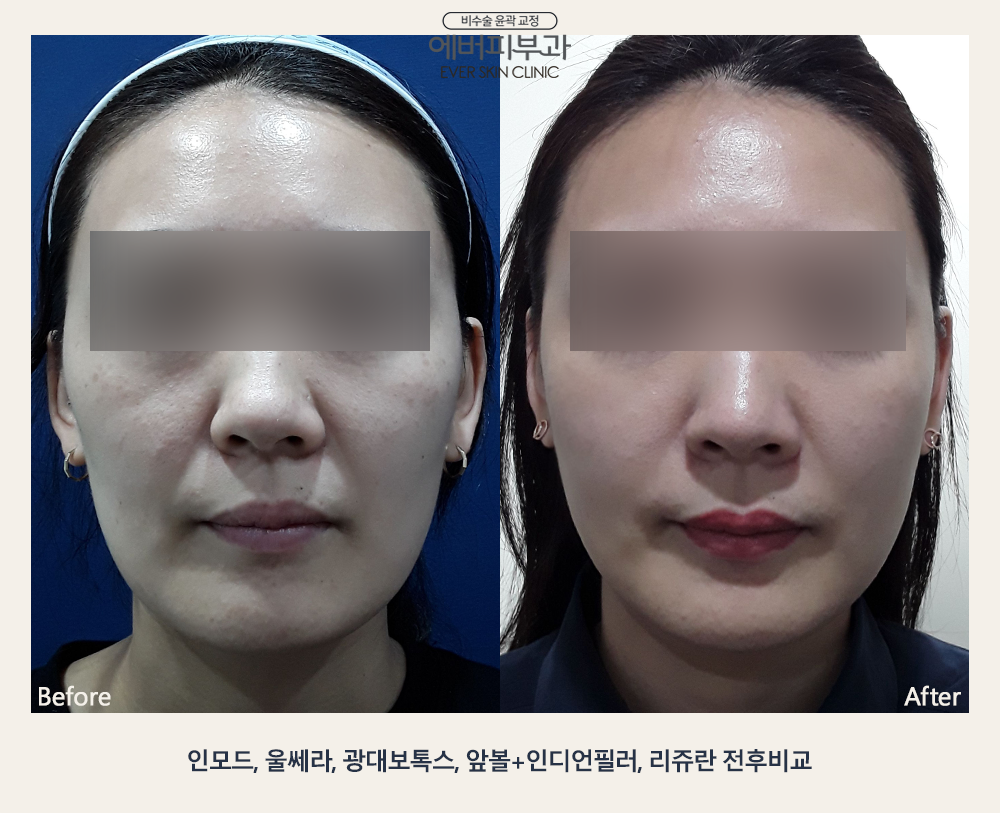
Real patient · before & after
An example of our clinic's results
This case shows a combined lifting, contouring and skin-quality program, shown as an example of our non-surgical results. It is not a skin tag removal result.
Outcomes of skin tag removal depend on the condition and on each person's skin. Ask us for skin tag removal-specific examples and a realistic outlook at consultation.
Photos are shared with the patient's consent and are not retouched apart from privacy blurring. Results differ from person to person and are not guaranteed.
See more before & after photosRecovery & safety
Recovery, side effects and aftercare
Treated spots form small scabs or pink marks that usually heal within one to two weeks; redness can take longer to fade. Possible effects include temporary dark or light marks, small scars and, rarely, infection or regrowth of a lesion.
Tell your dermatologist if you take blood thinners, have diabetes, a history of keloids or poor wound healing, or are pregnant. If you are travelling, patches make wounds discreet, and swimming is best avoided until the skin has closed.
Aftercare tips
- Keep wounds clean and covered with the patch or ointment provided
- Let scabs fall off naturally
- Avoid swimming, saunas and hot baths until healed
- Protect healed areas from sun to reduce dark marks
- Contact the clinic if a spot becomes painful, swollen or grows back
Questions we hear every day
Skin Tag & Mole Removal FAQ
Does skin tag removal hurt?
Numbing cream or a small local anaesthetic injection is used, so most patients feel only a brief sting from the injection or mild heat from the laser. Very small tags may be snipped quickly with little discomfort.
Will skin tags grow back?
A removed tag does not usually regrow, but new tags can form over time, especially in areas of friction or with weight changes. Seborrhoeic keratoses can also appear in new places with age.
Will removal leave a scar?
Most small tags and growths heal with a faint mark that fades over weeks to months. Larger or deeper lesions carry a higher chance of a visible scar, and people prone to keloids need a more cautious approach.
How many can be removed in one visit?
Often several, depending on their size and location and how much numbing is needed. Your dermatologist will advise what is sensible in one session and whether a second visit is better.
Can I swim or fly after removal?
Flying is fine. Avoid swimming pools, the sea and saunas until the small wounds have closed, usually around a week. Keep patches on as advised and protect the areas from strong sun.
Talk to a board-certified dermatologist in Apgujeong
Send us your skin concern and photos on WhatsApp. An English-speaking team member will reply and arrange your consultation.
Mon & Thu 10:00–19:00 · Tue & Fri 10:00–20:00 · Sat 10:00–16:00 · Closed Wed, Sun & holidays