
IPL Photofacial in Apgujeong, Gangnam Seoul
Board-Certified Dermatologist Top 2% in Korea 13+ Years
IPL Photofacial · quick answer
What an IPL photofacial does, in one paragraph
An IPL photofacial uses intense pulsed light, a filtered broad spectrum of light rather than a single laser wavelength, to treat signs of sun damage. Brown pigment in sun spots and freckles and red blood in small vessels absorb the light and are gradually cleared, so tone looks more even. It suits lighter to medium skin with photoageing. At Ever Skin Clinic, a board-certified dermatologist first rules out melasma, which IPL can worsen, and sets filters for your skin type.
Medically reviewed by Dr. Jieun Kim, M.D. Founder & Director, board-certified dermatologist. Dermatology residency at Hanyang University Hospital; adjunct professor, Hanyang University College of Medicine. Meet our dermatologists Last reviewed October 2026
- Technology
- Intense pulsed light (IPL), filtered broad-spectrum light
- Best for
- Sun spots, freckles, diffuse redness, photoageing
- Sessions
- Often 3 to 5, about 3 to 4 weeks apart
- Downtime
- Spots darken and flake over about 5 to 10 days
- Treatment time
- About 20 to 30 minutes for the face
The treatment
What is an IPL photofacial?
IPL is not a laser. A flash lamp emits a broad band of light, and filters select the wavelengths that pigment and haemoglobin absorb. The targeted brown spots darken and flake away over about a week, and small red vessels fade. Because it treats brown and red at once, IPL is well suited to the mixed signs of sun damage often called photoageing.
This page focuses on IPL for pigmentation and tone. If redness, flushing or rosacea is your main concern, see IPL therapy for redness. For deeper or stubborn pigment, our dermatologists may use Pico laser instead.
What IPL can treat
- Sun spots (solar lentigines) and age spots
- Freckles on the face, chest and hands
- Diffuse redness and fine broken capillaries
- Uneven, dull tone from cumulative sun exposure
- Not melasma : heat-based IPL can make melasma darker
Is it right for you?
Who is a good candidate?
The best candidates have light to medium skin with clearly defined sun spots or freckles and some redness. Because IPL targets pigment, very dark or recently tanned skin absorbs more energy and has a higher risk of burns or pigment changes; for those patients, we usually recommend laser toning instead.
Your dermatologist will examine your spots, ideally with a skin analysis device, to make sure they are benign and not melasma.
IPL may suit you if you
- Have sun spots or freckles on the face, neck, chest or hands
- Have mild redness alongside brown spots
- Have light to medium skin that is not tanned
- Can avoid strong sun for a few weeks around treatment
- Want gradual improvement over a short course
Your visit
What happens during treatment
A face session takes about 20 to 30 minutes, and you can return to normal activities straight afterwards.
- Consultation A board-certified dermatologist assesses your spots, skin type and sun exposure, and checks for melasma.
- Preparation Your skin is cleansed, eyes are shielded and a cool gel is applied.
- Light pulses The handpiece is placed on the skin and pulses are delivered; each feels like a warm snap.
- Soothing The skin is cooled and sunscreen applied, and we explain what to expect over the next week.
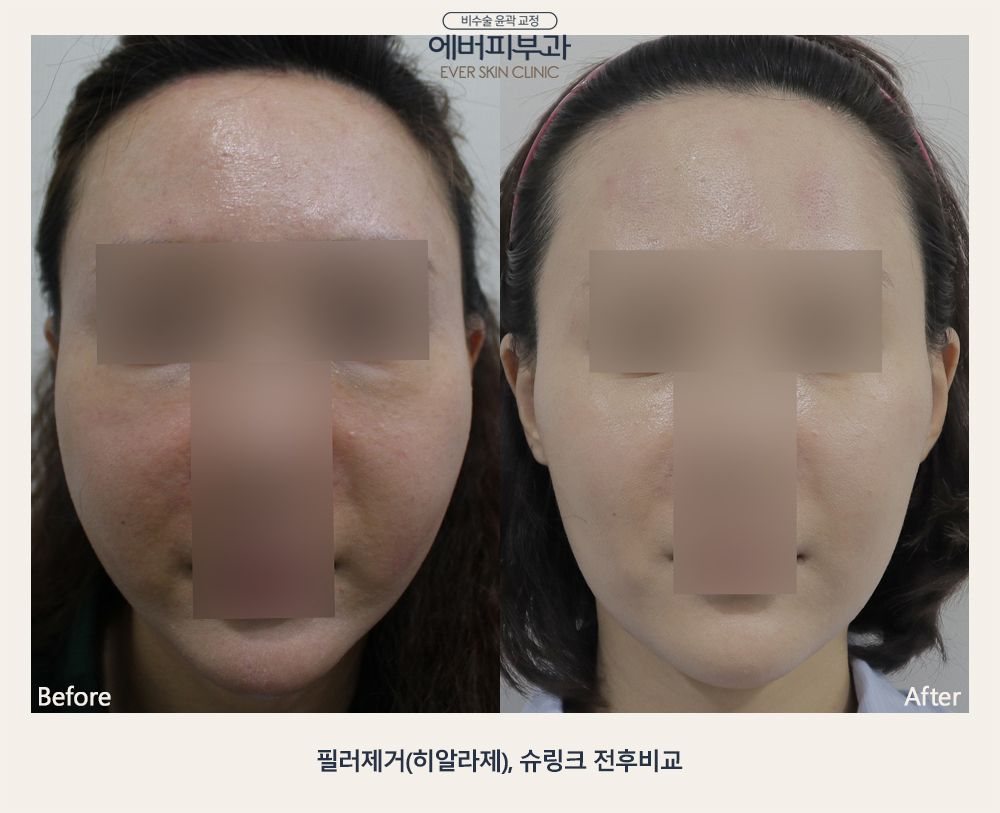
Real patient · before & after
Our non-surgical results
This case shows filler dissolving combined with HIFU lifting. It is shown as an example of our non-surgical work and is not an IPL photofacial result.
Ask us at consultation for IPL or pigmentation cases similar to your skin type and concerns.
Photos are shared with the patient's consent and are not retouched apart from privacy blurring. Results differ from person to person and are not guaranteed.
See more before & after photosRecovery & safety
Recovery, side effects and aftercare
Redness and mild swelling are common for a few hours. Treated spots usually turn darker, like coffee grounds, and flake off within about 5 to 10 days; make-up can usually be worn the next day. Less common risks include blistering, temporary lightening or darkening of the skin, and, rarely, scarring.
Tell your dermatologist if you have a tan, melasma, a history of cold sores, take photosensitising medicines or isotretinoin, or are pregnant. IPL is generally avoided on very dark skin.
Aftercare tips
- Use broad-spectrum sunscreen daily and reapply outdoors
- Let darkened spots flake naturally; do not pick or scrub
- Avoid saunas, hot baths and intense exercise for 1 to 2 days
- Skip exfoliating acids and retinoids for about a week
- Avoid tanning for at least 4 weeks before and after sessions
Questions we hear every day
IPL Photofacial FAQ
Does IPL hurt?
Most patients describe each pulse as a warm snap, like a rubber band. Cooling gel and the handpiece's cooling make it tolerable, and numbing cream is rarely needed. Areas with darker spots can feel a little stronger. Tell the doctor if you want the settings adjusted.
How many IPL sessions will I need?
Many patients see improvement after one session, but a course of about three to five sessions spaced three to four weeks apart usually gives a more even result. Maintenance once or twice a year helps, since new sun exposure creates new spots.
Can IPL treat melasma?
IPL is generally not recommended for melasma because its heat can trigger darker pigment. If you have melasma, or a mix of melasma and sun spots, your dermatologist may choose laser toning, topical treatment or a careful combination instead.
What is the difference between IPL and laser?
A laser uses a single wavelength aimed at one target, while IPL uses a filtered range of light that treats brown and red together. IPL is versatile for mixed sun damage; lasers such as Pico are often better for specific stubborn spots.
Can I have IPL on holiday in Seoul?
Yes, but plan for darkened spots that flake over about a week and avoid strong sun afterwards. If you will be at the beach or skiing soon after, tell us, as we may postpone treatment or adjust the plan.
Talk to a board-certified dermatologist in Apgujeong
Send us your skin concern and photos on WhatsApp. An English-speaking team member will reply and arrange your consultation.
Mon & Thu 10:00–19:00 · Tue & Fri 10:00–20:00 · Sat 10:00–16:00 · Closed Wed, Sun & holidays