
Skin Care for Black Skin in Apgujeong, Gangnam Seoul
Board-Certified Dermatologist Top 2% in Korea 13+ Years
Skin Clinic for Black Skin · quick answer
Treating Black skin safely, in one paragraph
Black and other melanin-rich skin is more prone to post-inflammatory hyperpigmentation, keloid scarring and, after some lasers or peels, light or dark patches. Treatment is still possible, but devices, energy levels and intervals must be chosen carefully. At Ever Skin Clinic in Apgujeong, Gangnam, board-certified dermatologists who have treated international patients of many skin tones assess your skin type and history first, then favour gentler, lower-risk options and test settings where appropriate.
Medically reviewed by Dr. Jieun Kim, M.D. Founder & Director, board-certified dermatologist. Dermatology residency at Hanyang University Hospital; adjunct professor, Hanyang University College of Medicine. Meet our dermatologists Last reviewed October 2026
- Common concerns
- Dark spots, acne marks, melasma, keloids, dryness
- Main risk
- Post-inflammatory hyperpigmentation or hypopigmentation
- Approach
- Conservative settings, longer intervals, test spots when needed
- Often suitable
- Nd:YAG and pico lasers, gentle peels, boosters, many lifting devices
- Doctors
- Board-certified dermatologists
What we treat
Common concerns in melanin-rich skin
Melanocytes in darker skin respond strongly to inflammation, heat and injury. That is why a pimple, a burn or an overly aggressive laser can leave a dark mark that lasts months. Treatment for skin discoloration in dark skin therefore focuses on calming inflammation and lightening pigment gradually.
Raised scars are also more frequent, so keloid and hypertrophic scar treatment, such as steroid injections, is a common request.
Concerns we often treat
- Hyperpigmentation : dark spots, acne marks and melasma
- Keloids and hypertrophic scars
- Acne and razor bumps (pseudofolliculitis)
- Dryness and sensitivity , especially in Korea's dry winters
- Uneven tone after previous lasers or peels
Who we help
Treatments we may suggest, and those we use with caution
Options are chosen for your skin, not from a standard list. Many treatments can be adapted to darker skin, while some carry more risk and are used cautiously, at low settings, or avoided depending on your history.
Lifting and injectables, such as Ultherapy, radiofrequency devices and fillers, generally do not target pigment and can be suitable when performed carefully.
How we usually approach treatments
- Often suitable : Nd:YAG and pico lasers at conservative settings for pigment
- Often suitable : gentle chemical peels, hydrating facials and skin boosters
- Adjusted : RF microneedling with modified energy and depth
- Higher risk : ablative CO2, aggressive fractional lasers and IPL; used rarely, if at all
- Avoid : harsh scrubs and unregulated whitening creams
Your visit
How we plan treatment for darker skin
For darker skin, a slower plan with careful steps usually gives safer results.
- History We ask about past reactions, keloids, pigment changes after injury, and treatments you have had.
- Assessment A board-certified dermatologist examines your skin type and the concern, and explains realistic goals.
- Test and treat Where appropriate, a test area or low starting setting is used before full treatment.
- Review We review your response before increasing intensity, with longer intervals between sessions.
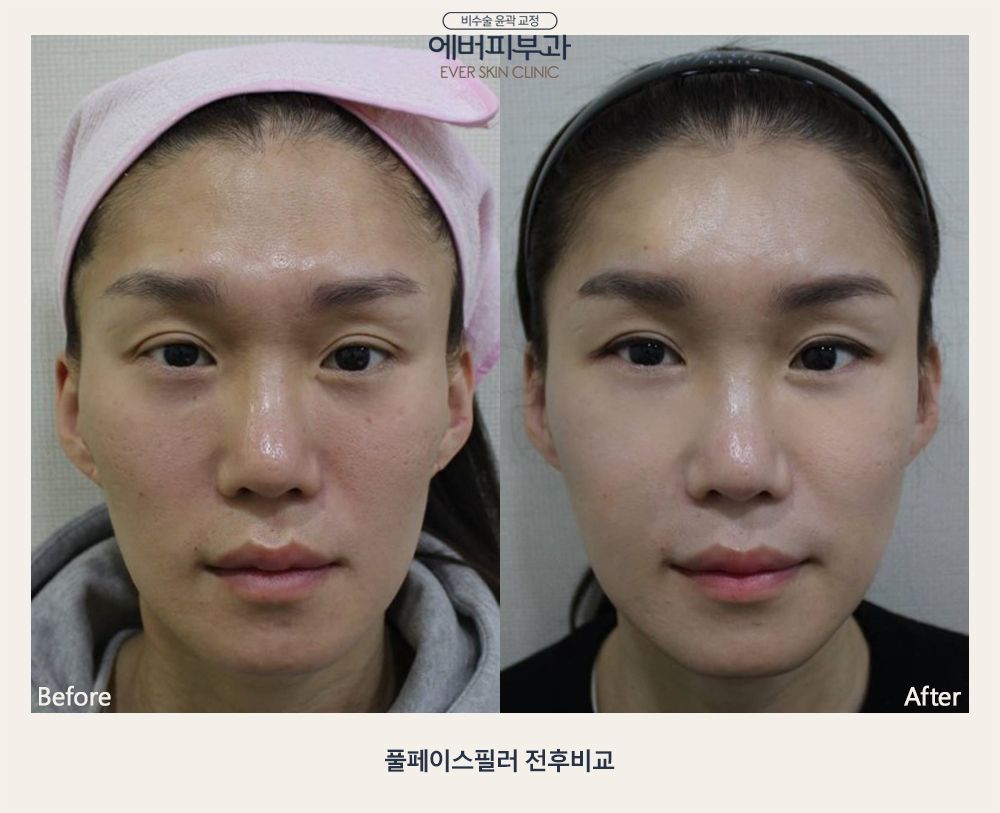
Real patient · before & after
An example of our clinic's work
This case shows full-face filler and is a general example of our non-surgical work. It is not a pigmentation treatment result, and it does not show a patient with Black skin.
Ask your dermatologist about cases and expected results relevant to your own skin type at consultation.
Photos are shared with the patient's consent and are not retouched apart from privacy blurring. Results differ from person to person and are not guaranteed.
See more before & after photosRecovery & safety
Recovery, side effects and aftercare
Any procedure that inflames the skin can trigger new pigmentation, which may take weeks or months to fade. Hypopigmentation (light patches) is also possible after aggressive treatment. These risks are why we prefer conservative settings and close review.
Tell your dermatologist about keloids, previous pigment changes, recent sun exposure, isotretinoin, pregnancy or breastfeeding, and use of bleaching or steroid creams.
Aftercare tips
- Use broad-spectrum sunscreen daily; melanin-rich skin still needs protection
- Avoid picking spots, scabs or peeling skin
- Moisturise generously, especially in dry seasons
- Stop irritating actives for a few days after treatment
- Report any darkening early so the plan can be adjusted
Questions we hear every day
Skin Clinic for Black Skin FAQ
Can lasers be used on Black skin?
Yes, some can. Longer-wavelength Nd:YAG and pico lasers at conservative settings are often used for pigmentation. Ablative and aggressive fractional lasers and IPL carry a higher risk of pigment changes, so they are used rarely, if at all. Your dermatologist will explain the options for your skin.
How long do dark marks from acne take to fade?
Post-inflammatory marks often fade over several months, and sometimes longer, even without treatment. Sunscreen, controlling acne and gentle brightening treatment can help. Aggressive treatment can make marks worse, so patience matters.
Can you treat keloids?
Keloids are commonly treated with steroid injections, sometimes combined with other methods, over several sessions. They can recur, so treatment aims to flatten and soften them. Tell us if you form keloids before any procedure, including piercings or lasers.
Is Botox or filler different for darker skin?
Injectables do not target pigment, so the main considerations are anatomy and goals, not skin tone. Bruising or post-inflammatory marks at injection points are possible, and your dermatologist will discuss how to minimise them.
Can I have treatment during a short visit to Seoul?
Yes, but for darker skin we often recommend starting conservatively and reviewing the response. Gentle peels, boosters, facials and injectables can fit a short trip; laser courses may be better continued with a dermatologist at home.
Talk to a board-certified dermatologist in Apgujeong
Send us your skin concern and photos on WhatsApp. An English-speaking team member will reply and arrange your consultation.
Mon & Thu 10:00–19:00 · Tue & Fri 10:00–20:00 · Sat 10:00–16:00 · Closed Wed, Sun & holidays