
Vitamin C Therapy in Apgujeong, Gangnam Seoul
Board-Certified Dermatologist Top 2% in Korea 13+ Years
Vitamin C Therapy · quick answer
What vitamin C therapy does, in one paragraph
Vitamin C therapy is an in-clinic skin treatment that applies a high concentration of vitamin C (ascorbic acid or a stable derivative) to freshly cleansed or lightly exfoliated skin. Vitamin C is an antioxidant that helps protect against UV and pollution damage, supports collagen production and can reduce melanin formation, so it is used to brighten dull skin and support pigmentation treatment. At Ever Skin Clinic, a board-certified dermatologist adds it to laser, peel or facial sessions when it suits your skin.
Medically reviewed by Dr. Jieun Kim, M.D. Founder & Director, board-certified dermatologist. Dermatology residency at Hanyang University Hospital; adjunct professor, Hanyang University College of Medicine. Meet our dermatologists Last reviewed October 2026
- Ingredient
- High-concentration topical vitamin C or derivative
- Best for
- Dullness, uneven tone, mild pigment, after laser or peels
- Treatment time
- About 20 to 40 minutes, often added to another session
- Downtime
- None expected; brief tingling or pinkness
- Results
- Gradual brightening over a course; best with daily sunscreen
The treatment
What is vitamin C therapy?
Vitamin C is one of the best-studied topical antioxidants in dermatology. Applied to the skin, it neutralises free radicals generated by sunlight, supports the enzymes that build collagen, and interferes with tyrosinase, the enzyme that drives melanin production. In clinic, it is applied at a concentration and on skin prepared in a way that helps it penetrate more effectively than a home serum.
This page covers topical vitamin C as part of pigmentation care. It is often added after laser toning or an Aqua Peel. If you are interested in vitamin C given intravenously, see our vitamin C drips page.
What vitamin C therapy can help with
- Dull, tired-looking skin that lacks brightness
- Mild uneven tone and early sun damage
- Support during pigment treatment , alongside lasers and topicals
- Antioxidant protection together with daily sunscreen
- Not a stand-alone treatment for melasma or deep pigment
Is it right for you?
Who is a good candidate?
Vitamin C therapy suits most skin types, including people who want a gentle, no-downtime addition to laser toning or facials. It is also useful for patients who want to build a home routine and learn which vitamin C products their skin tolerates.
Very sensitive or rosacea-prone skin can sting with acidic vitamin C, so your dermatologist may choose a gentler derivative or a patch test first.
Vitamin C therapy may suit you if you
- Have dull or uneven skin tone
- Are having laser toning or melasma treatment
- Want to support results after peels or facials
- Prefer a treatment with no visible downtime
- Are not allergic to vitamin C products
Your visit
What happens during treatment
Vitamin C therapy is usually added to another treatment on the same visit.
- Skin check A board-certified dermatologist checks your skin type, sensitivity and pigment and decides whether vitamin C will help.
- Preparation Your skin is cleansed and, if planned, gently exfoliated or treated with laser first.
- Application The vitamin C formula is applied and left on, sometimes under a mask, to help penetration.
- Finish The skin is soothed and sunscreen applied, and we suggest how to continue vitamin C at home.
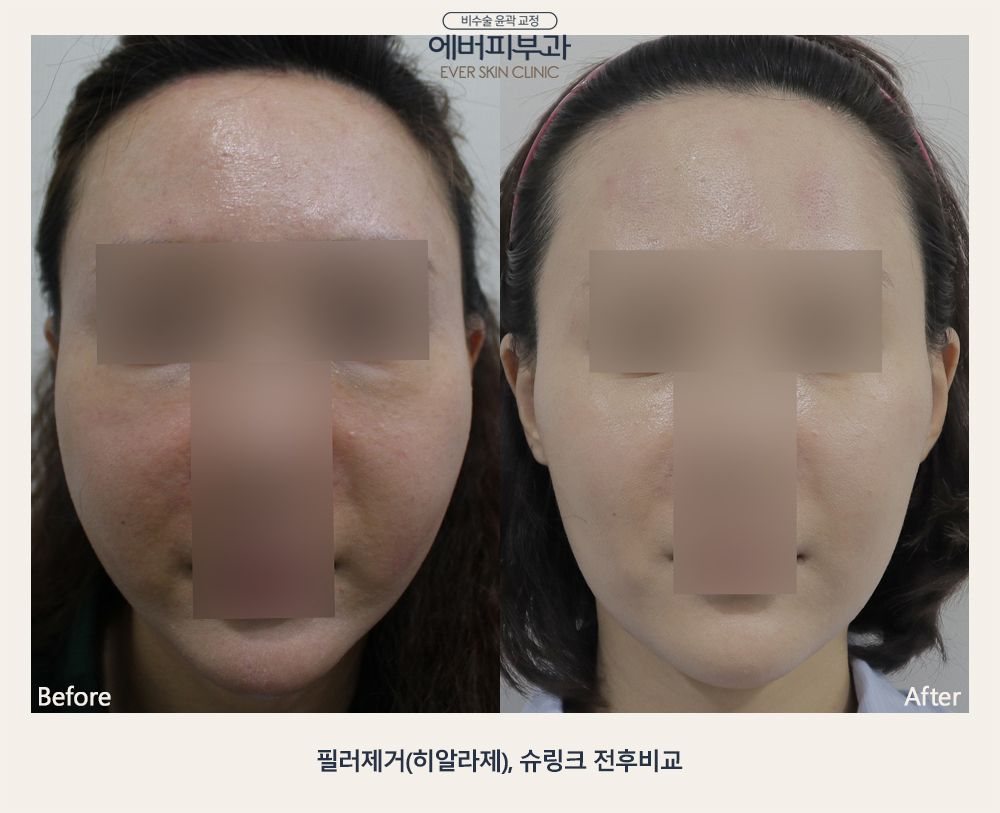
Real patient · before & after
Our non-surgical results
This case shows filler dissolving combined with HIFU lifting. It is shown as an example of our non-surgical work and is not a vitamin C therapy result.
Ask us at consultation for brightening and pigmentation cases relevant to your concerns.
Photos are shared with the patient's consent and are not retouched apart from privacy blurring. Results differ from person to person and are not guaranteed.
See more before & after photosRecovery & safety
Side effects and safety
Most people feel brief tingling and may look slightly pink for a short while. Uncommonly, vitamin C can cause irritation, dryness or, rarely, an allergic reaction, especially on sensitive or broken skin.
Tell your dermatologist if you have very sensitive skin, rosacea, eczema, open wounds, a known allergy to skincare ingredients, or if you are using strong acids or retinoids at home.
Aftercare tips
- Apply broad-spectrum sunscreen every day
- Avoid strong acids and retinoids on the same night
- Use a gentle moisturiser to support the skin barrier
- Store home vitamin C products away from heat and light
- Stop a home product and tell us if it stings persistently
Questions we hear every day
Vitamin C Therapy FAQ
Is in-clinic vitamin C different from my serum at home?
Clinic treatments can use higher concentrations and prepare the skin first, for example with gentle exfoliation or laser, which can help penetration. Home serums are still valuable for daily antioxidant protection, and we can advise on a product that suits your skin.
How many sessions will I need?
Vitamin C therapy is usually repeated as part of a course of laser toning or facials, for example every one to four weeks. Results build gradually, and daily sunscreen and home care make the biggest difference.
Can vitamin C remove melasma?
No. It can support a melasma plan by reducing melanin formation and protecting against light damage, but melasma usually needs laser toning, prescription topicals and strict sun protection.
Does it sting?
Some people feel mild tingling, especially with pure ascorbic acid. If your skin is sensitive, we can choose a gentler derivative or a lower strength.
Is there any downtime?
No downtime is expected. You can wear make-up and continue sightseeing the same day, which makes it easy to add to other treatments during a short stay.
Talk to a board-certified dermatologist in Apgujeong
Send us your skin concern and photos on WhatsApp. An English-speaking team member will reply and arrange your consultation.
Mon & Thu 10:00–19:00 · Tue & Fri 10:00–20:00 · Sat 10:00–16:00 · Closed Wed, Sun & holidays