
Fungal Infection Treatment in Apgujeong, Gangnam Seoul
Board-Certified Dermatologist Top 2% in Korea 13+ Years
Fungal Infection Treatment · quick answer
What fungal infection treatment involves, in one paragraph
Fungal infection treatment clears infections caused by fungi or yeasts on the skin, nails or scalp, such as athlete's foot, ringworm, fungal nails and candida rashes. Treatment uses antifungal creams for most skin infections and oral antifungal medicine for nails, scalp or widespread cases. At Ever Skin Clinic in Apgujeong, a board-certified dermatologist first confirms the diagnosis, often with a quick skin or nail test, because eczema and psoriasis can look similar.
Medically reviewed by Dr. Jieun Kim, M.D. Founder & Director, board-certified dermatologist. Dermatology residency at Hanyang University Hospital; adjunct professor, Hanyang University College of Medicine. Meet our dermatologists Last reviewed October 2026
- Conditions
- Athlete's foot, ringworm, jock itch, fungal nails, candida, tinea versicolor
- Diagnosis
- Examination, often with a microscopy test of skin or nail scrapings
- Treatment
- Topical antifungals; oral antifungals for nails, scalp or extensive infection
- Course
- Skin: often 2 to 4 weeks; nails: several months
- Downtime
- None
The condition
What are fungal skin infections?
Fungi called dermatophytes, and yeasts such as Candida and Malassezia, live on the skin and can overgrow in warm, damp conditions. Seoul's humid summers, gym showers, tight shoes and long flights are common triggers. Infections can spread to other body areas or other people through towels, floors and direct contact.
Because a fungal rash can resemble eczema or psoriasis, using a steroid cream without a diagnosis can make it worse. Our dermatologists confirm the cause before prescribing.
Common fungal infections we treat
- Athlete's foot (tinea pedis): itching, peeling and cracking between the toes
- Ringworm (tinea corporis): ring-shaped, scaly, itchy patches on the body
- Fungal nails (onychomycosis): thick, discoloured, crumbly nails
- Candida (yeast): red, moist rashes in skin folds
- Tinea versicolor: light or dark patches on the chest and back
Is it right for you?
When should you see a dermatologist?
Mild athlete's foot sometimes settles with pharmacy creams, but see a dermatologist if a rash does not improve within two weeks, keeps returning, spreads, or involves the nails or scalp. People with diabetes or a weakened immune system should seek care earlier.
Nail infections in particular need a confirmed diagnosis, since nail changes can also come from injury or psoriasis, and oral treatment takes months.
Book a visit if you have
- An itchy, scaly rash that has not responded to over-the-counter cream
- Thickened, yellow or crumbling toenails or fingernails
- A ring-shaped rash that is spreading
- Patches of lighter or darker skin on the trunk after hot weather
- Diabetes or poor circulation together with a foot rash
Your visit
How fungal infections are diagnosed and treated
Diagnosis and the start of treatment usually happen in a single visit.
- Examination A board-certified dermatologist examines the rash, nails or scalp and asks about triggers and past treatments.
- Testing A painless scraping of skin or nail may be checked under the microscope to confirm fungus.
- Prescription We prescribe a topical antifungal, or an oral antifungal for nails, scalp or extensive infection, after checking your other medicines.
- Follow-up We explain how long to continue treatment and how to prevent re-infection, and review progress if needed.
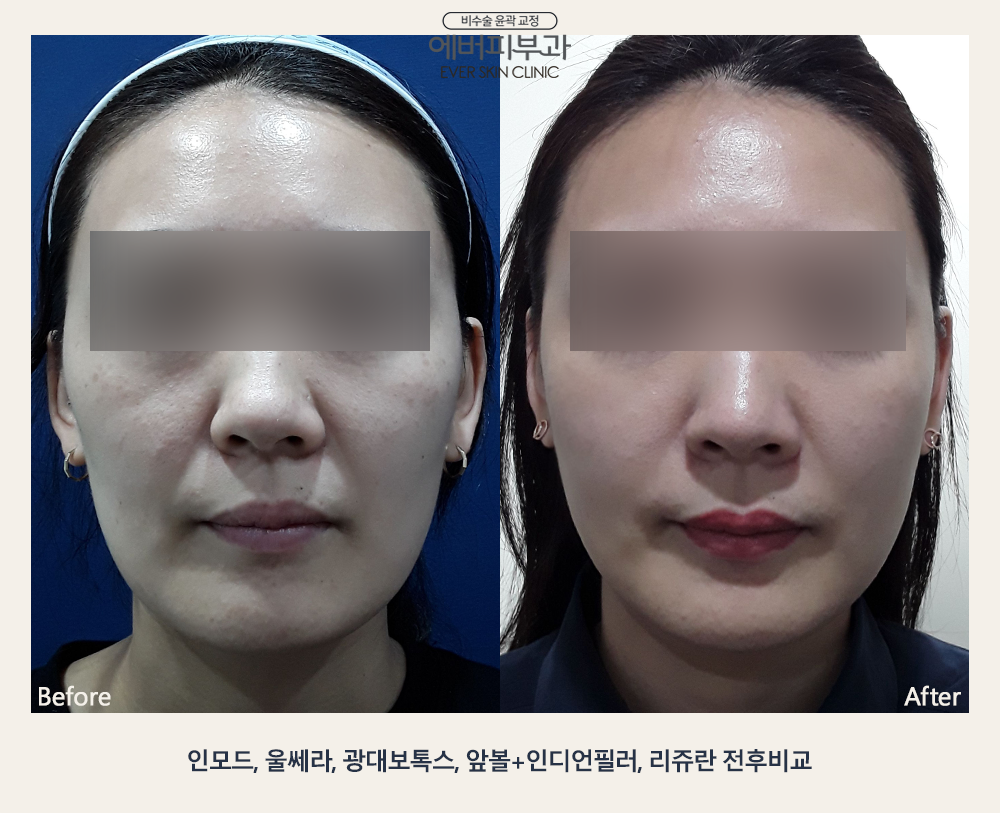
Real patient · before & after
An example of our clinic's results
This case shows a combined lifting, contouring and skin-quality program, shown as an example of our non-surgical results. It is not a fungal infection treatment result.
Outcomes of fungal infection treatment depend on the condition and on each person's skin. Ask us for fungal infection treatment-specific examples and a realistic outlook at consultation.
Photos are shared with the patient's consent and are not retouched apart from privacy blurring. Results differ from person to person and are not guaranteed.
See more before & after photosRecovery & safety
Recovery, side effects and prevention
Antifungal creams may cause mild stinging or irritation. Oral antifungals can interact with other medicines and occasionally affect the liver, so your dermatologist checks your health history and may arrange blood tests for longer courses. Skin infections often improve within a few weeks, while a healthy nail takes many months to grow out.
Tell your dermatologist if you are pregnant or breastfeeding, have liver disease, take regular medicines such as statins or blood thinners, or have diabetes or reduced immunity.
Aftercare tips
- Keep using treatment for the full course, even after the itch stops
- Dry skin folds and between the toes thoroughly after showering
- Wear breathable socks and change them daily
- Use sandals in gym and pool showers and do not share towels
- Treat family members or pets with similar rashes to avoid re-infection
Questions we hear every day
Fungal Infection Treatment FAQ
How do I know if my rash is fungal?
Fungal rashes are often itchy, scaly and ring-shaped with a clearer centre, but eczema, psoriasis and allergies can look similar. A dermatologist can confirm the cause with a quick, painless scraping checked under the microscope, which avoids using the wrong cream.
How long does treatment take?
Most skin infections improve within two to four weeks of antifungal cream, and treatment usually continues for a short time after the rash clears. Nail infections take longer, often several months, because the infected nail must grow out and be replaced.
Is laser treatment useful for fungal nails?
Laser has been used for fungal nails, but evidence is more limited than for oral or topical antifungal medicines. Your dermatologist will discuss which option suits your nails, health and medicines, and whether a combination makes sense.
Can I get treated during a short trip to Seoul?
Yes. Diagnosis and the first prescription are usually done in one visit. We will give you enough instructions and medicine to continue at home and explain when to see a doctor there if it does not improve.
Will the infection come back?
Fungal infections can recur, especially with sweaty shoes, humid weather or shared showers. Finishing the full course, keeping skin dry and treating shoes and household contacts lowers the risk. Recurrent infections should be reviewed by a dermatologist.
Talk to a board-certified dermatologist in Apgujeong
Send us your skin concern and photos on WhatsApp. An English-speaking team member will reply and arrange your consultation.
Mon & Thu 10:00–19:00 · Tue & Fri 10:00–20:00 · Sat 10:00–16:00 · Closed Wed, Sun & holidays