
Eczema Treatment in Apgujeong, Gangnam Seoul
Board-Certified Dermatologist Top 2% in Korea 13+ Years
Eczema Treatment · quick answer
What eczema treatment involves, in one paragraph
Eczema treatment aims to calm inflammation and itch, repair the skin barrier and reduce future flares; it controls eczema rather than curing it. Most people need daily moisturisers plus anti-inflammatory creams during flares, while moderate to severe eczema may need phototherapy or systemic medicines. At Ever Skin Clinic in Apgujeong, a board-certified dermatologist confirms the type of eczema, looks for triggers and infection, and builds a plan you can continue at home.
Medically reviewed by Dr. Jieun Kim, M.D. Founder & Director, board-certified dermatologist. Dermatology residency at Hanyang University Hospital; adjunct professor, Hanyang University College of Medicine. Meet our dermatologists Last reviewed October 2026
- Conditions
- Atopic dermatitis, contact dermatitis, hand eczema, seborrhoeic dermatitis
- Treatments
- Emollients, topical steroids or non-steroid creams, phototherapy, systemic options
- First visit
- Examination, trigger review, written routine
- Downtime
- None
- Outlook
- Flares can be controlled; eczema may come and go over time
The condition
What is eczema?
Eczema (dermatitis) is inflammation of the skin that causes dryness, redness, itching and sometimes oozing or thickening. Atopic dermatitis is linked to a weak skin barrier and an overactive immune response; contact dermatitis is a reaction to something touching the skin. Dry winter air, heat and sweat, stress and harsh products are common triggers, and many travellers notice flares after moving to Seoul's seasonal climate.
Eczema can be confused with a fungal infection or psoriasis. When a contact allergy is suspected, allergy testing can help.
How eczema is treated
- Barrier care: fragrance-free moisturisers and gentle cleansing every day
- Anti-inflammatory creams: topical steroids or non-steroid options for flares
- Itch control: antihistamines and cooling measures where useful
- Phototherapy: narrowband UVB for widespread or stubborn eczema
- Systemic treatment: considered for severe eczema not controlled by creams
Is it right for you?
Who should see a dermatologist?
See a dermatologist if eczema disturbs your sleep, keeps returning despite over-the-counter products, affects your face or hands, or shows signs of infection such as crusting, pus or sudden pain. Adults with new eczema should also be assessed, as the cause may differ from childhood eczema.
Bring a list of the creams and medicines you have used, including their strength, so we can adjust treatment safely.
Book a visit if you have
- Itchy, dry, red patches that keep coming back
- Eczema on the eyelids, face or hands
- Flares that started after travel or a change in climate
- Weeping, crusted or painful patches
- Concern about using steroid creams long-term
Your visit
How an eczema visit works
The first visit focuses on diagnosis and a clear routine you can follow, including while travelling.
- History We ask about your symptoms, triggers, family history, skincare and past treatments.
- Examination A board-certified dermatologist examines the skin and checks for infection or other conditions.
- Treatment plan We prescribe treatment for the current flare and a maintenance routine, with written instructions.
- Follow-up We review progress and step treatment up or down, including phototherapy or other options if needed.
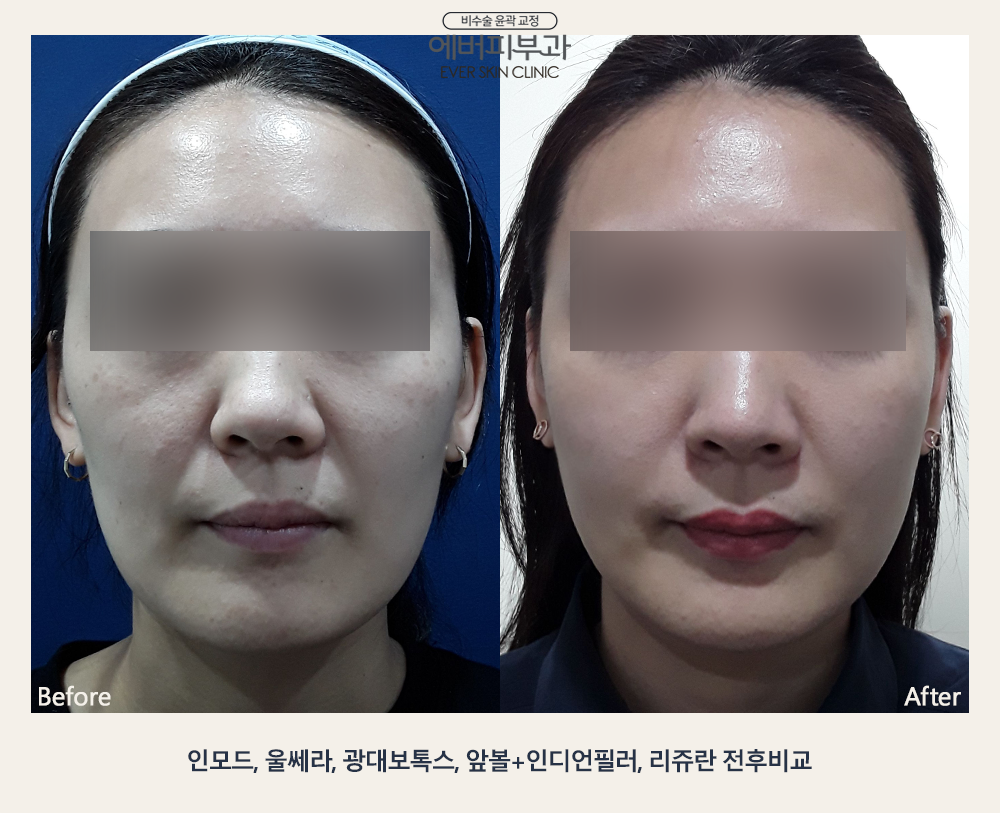
Real patient · before & after
An example of our clinic's results
This case shows a combined lifting, contouring and skin-quality program, shown as an example of our non-surgical results. It is not a eczema treatment result.
Outcomes of eczema treatment depend on the condition and on each person's skin. Ask us for eczema treatment-specific examples and a realistic outlook at consultation.
Photos are shared with the patient's consent and are not retouched apart from privacy blurring. Results differ from person to person and are not guaranteed.
See more before & after photosSafety
Side effects and safety
Used as directed, topical steroids are safe and effective; overuse, especially on thin skin such as the face, can cause thinning or stretch marks, which is why we explain strength, area and duration. Non-steroid creams can sting at first. Phototherapy and systemic medicines need monitoring.
Tell your dermatologist if you are pregnant or breastfeeding, have frequent skin infections or cold sores, take immune-suppressing medicines, or have asthma or other allergies. Seek urgent review for painful, rapidly spreading or blistering eczema, which may be infected.
Aftercare tips
- Moisturise at least twice a day and within minutes of bathing
- Use lukewarm showers and fragrance-free cleansers
- Wear soft cotton and avoid wool next to the skin
- Keep nails short and cool itchy areas instead of scratching
- Pack your creams in carry-on luggage when travelling
Questions we hear every day
Eczema Treatment FAQ
Can eczema be cured?
There is no permanent cure for atopic eczema, but it can usually be well controlled. Many people have long periods with few symptoms using regular moisturising and short courses of treatment for flares. Some children improve as they grow older.
Are steroid creams safe?
Topical steroids are safe and effective when the right strength is used on the right area for the right length of time. Problems mainly come from long, unsupervised use on thin skin. Your dermatologist will explain a plan and alternatives such as non-steroid creams.
Why did my eczema flare after coming to Seoul?
Changes in humidity, temperature, water and skincare products, plus travel stress and long flights, can all disturb the skin barrier. Seoul's dry winters and humid summers both trigger flares in some people. A simple routine and the right flare cream usually help.
Can I get eczema medicine in Korea?
Yes. Our dermatologists can prescribe creams and medicines available in Korea. Brand names may differ from those at home, so bring the names and strengths of your current treatments and we will explain the closest equivalent.
Is phototherapy available?
Phototherapy can help widespread eczema that does not respond to creams, but it requires several sessions a week over a period of weeks. Your dermatologist will discuss whether it fits your condition and how long you are staying in Seoul.
Talk to a board-certified dermatologist in Apgujeong
Send us your skin concern and photos on WhatsApp. An English-speaking team member will reply and arrange your consultation.
Mon & Thu 10:00–19:00 · Tue & Fri 10:00–20:00 · Sat 10:00–16:00 · Closed Wed, Sun & holidays