Redness and Rosacea Treatment in Apgujeong, Gangnam Seoul
Board-Certified Dermatologist Top 2% in Korea 13+ Years
Redness & Rosacea Treatment · quick answer
How redness and rosacea are treated, in one paragraph
Rosacea is a long-term inflammatory skin condition that causes flushing, persistent redness, visible blood vessels and sometimes acne-like bumps, usually on the cheeks, nose and chin. It can be controlled but not cured. Treatment combines identifying triggers, gentle skincare, prescription creams or oral medicine for inflammation, and vascular lasers or IPL for redness and vessels. At Ever Skin Clinic, a board-certified dermatologist first confirms the diagnosis, since other conditions can look similar, then builds a stepwise plan.
Medically reviewed by Dr. Jieun Kim, M.D. Founder & Director, board-certified dermatologist. Dermatology residency at Hanyang University Hospital; adjunct professor, Hanyang University College of Medicine. Meet our dermatologists Last reviewed October 2026
- Approach
- Medical treatment plus vascular laser or IPL
- Best for
- Rosacea, flushing, persistent redness, broken capillaries
- Sessions
- Lasers usually 3 to 5 sessions, about 3 to 4 weeks apart
- Downtime
- Redness or mild swelling for 1 to 3 days; bruising possible with some settings
- Results
- Gradual; maintenance is usually needed as rosacea is chronic
The condition
What causes facial redness and rosacea?
Rosacea involves overactive blood vessels, inflammation and a sensitive skin barrier. Common triggers include heat, sun, alcohol, spicy food, hot drinks, stress and some skincare products. Over time, repeated flushing can leave permanent redness and small dilated vessels called telangiectasias. Not all facial redness is rosacea: seborrhoeic dermatitis, contact dermatitis, steroid-induced redness and lupus can look similar, which is why diagnosis comes first.
Vascular devices such as the V-Beam laser and IPL target the haemoglobin in vessels to reduce background redness and visible capillaries. For a wider view of vascular conditions, see facial redness and vascular lesions.
Treatment options we combine
- Medical care : prescription creams or oral medicines to control inflammation and bumps
- Vascular laser : pulsed dye laser for diffuse redness and vessels
- IPL : broad-spectrum light for redness and uneven tone
- Barrier repair : gentle skincare and soothing treatments
- Trigger management : practical advice on sun, heat and lifestyle
Is it right for you?
Who can benefit?
Treatment suits adults with persistent central facial redness, frequent flushing, visible broken vessels, or rosacea bumps, as well as people whose skin has become red and reactive after over-exfoliation or steroid cream use.
Lasers work best once active inflammation is under control, so many patients start with medical treatment. If you have very recently tanned skin or are on certain medications, your dermatologist may adjust the timing or device.
You may benefit if you have
- Persistent redness on the cheeks, nose or chin
- Flushing triggered by heat, alcohol or stress
- Visible small vessels on the face
- Acne-like bumps without blackheads
- Sensitive skin that stings or burns with products
Your visit
How treatment works
A laser or IPL session usually takes about 15 to 30 minutes, after consultation.
- Diagnosis A board-certified dermatologist examines your skin, asks about triggers and medicines, and confirms whether redness is rosacea or another condition.
- Medical plan If inflammation is active, prescription treatment and a gentle skincare routine are started first.
- Vascular treatment Laser or IPL is applied to target redness and vessels, with cooling for comfort.
- Follow-up Sessions are repeated every few weeks, and a maintenance plan is agreed to keep flare-ups down.
Real patient · before & after
Results from our clinic
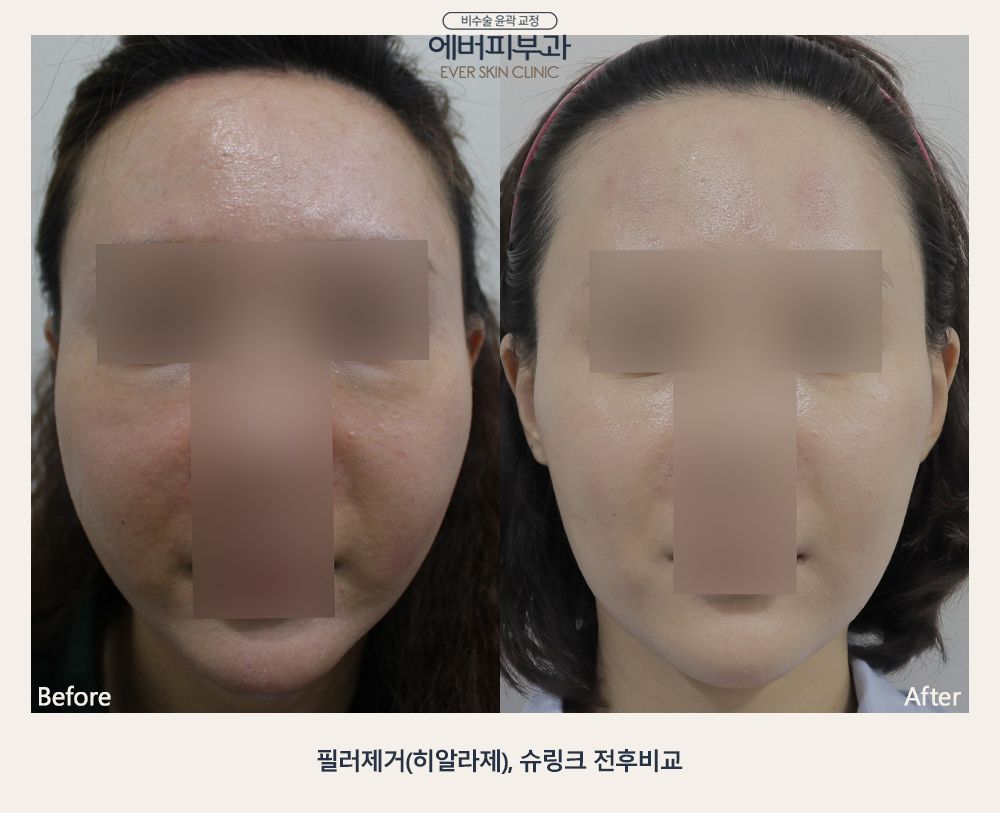
This case shows filler dissolving and HIFU lifting, shown as an example of our non-surgical results; it is not a rosacea or redness treatment result.
Redness changes are best judged in person and with consistent lighting, so ask us for redness or rosacea-specific cases at consultation, and your dermatologist will explain what improvement is realistic.
Photos are shared with the patient's consent and are not retouched apart from privacy blurring. Results differ from person to person and are not guaranteed.
See more before & after photosRecovery & safety
Recovery, side effects and aftercare
After laser or IPL, redness, warmth and mild swelling are common for one to three days. Some settings can cause temporary purple bruising for about a week. Rare risks include blistering and pigment change, particularly in tanned or darker skin.
Tell your dermatologist if you are pregnant, use isotretinoin or photosensitising medicines, have a recent tan, a history of cold sores, or if you have used steroid creams on your face.
Aftercare tips
- Use broad-spectrum sunscreen every day
- Avoid heat, saunas, hot showers and intense exercise for a few days
- Use a gentle, fragrance-free cleanser and moisturiser
- Avoid exfoliating acids, scrubs and retinoids until the skin settles
- Keep a simple diary of triggers to discuss at follow-up
Questions we hear every day
Redness & Rosacea Treatment FAQ
Can rosacea be cured?
Rosacea is a chronic condition, so it cannot be cured permanently, but it can usually be controlled well. Medical treatment, vascular lasers and trigger management can reduce redness, flushing and bumps, and a maintenance plan helps keep flare-ups down.
Does laser for redness hurt?
Most patients describe a quick snapping sensation, like a rubber band. Cooling is used during treatment, and the skin may feel warm, like mild sunburn, for a few hours afterwards.
How many sessions will I need?
Many patients need about three to five laser or IPL sessions three to four weeks apart, followed by occasional maintenance. The number depends on how much redness and how many vessels you have.
Will I have downtime?
Expect redness and mild swelling for one to three days. With some vascular laser settings, temporary bruising can last about a week. Your dermatologist can choose gentler settings if you have important plans.
Can I start treatment during a short trip to Seoul?
Yes. A diagnosis and medical plan can be started in one visit, and a first laser session can often be done at the same time. Because several sessions are usually needed, we can suggest how to continue care at home.
Talk to a board-certified dermatologist in Apgujeong
Send us your skin concern and photos on WhatsApp. An English-speaking team member will reply and arrange your consultation.
Mon & Thu 10:00–19:00 · Tue & Fri 10:00–20:00 · Sat 10:00–16:00 · Closed Wed, Sun & holidays