
Hair Loss Medical Therapy in Apgujeong,
Gangnam, Seoul
Board-Certified Dermatologist Top 2% in Korea 13+ Years
Hair Loss Medical Therapy · quick answer
What hair loss medical therapy is, in one paragraph
Hair loss medical therapy is a dermatologist-supervised plan built around evidence-based medication and treatment of any scalp disease. After diagnosing the type of hair loss, the doctor may prescribe minoxidil to prolong the growth phase, finasteride or dutasteride to reduce DHT in suitable patients, and medicated shampoos or anti-inflammatory treatment for an itchy, flaky scalp. At Ever Skin Clinic in Apgujeong, regenerative injections can be added, and doses are reviewed at follow-up.
Medically reviewed by
Dr. Jieun Kim, M.D.
Founder & Director, Ever Skin Clinic · Board-certified dermatologist
- Adjunct Professor, Hanyang University College of Medicine
- Dermatology residency, Hanyang University Hospital
- Master’s degree in Dermatology, Hanyang University
- Regular Member, Korean Dermatological Association
- Regular Member, Korean Laser Medicine Association
- Member, World Congress of Dermatology
- Published in JAAD and Annals of Dermatology
- English-speaking consultations
Meet our dermatologists → Last reviewed October 2026
- Main medicines
- Minoxidil, finasteride, dutasteride, medicated scalp treatments
- Best for
- Pattern hair loss, diffuse thinning, seborrhoeic dermatitis of the scalp
- Use
- Daily, long term while benefit is wanted
- Downtime
- None
- Results
- Less shedding from about 2 to 3 months; regrowth from about 6 months
The treatment
What does medical therapy include?
Medication remains the best-studied way to slow pattern hair loss. Minoxidil, applied to the scalp or taken in a low oral dose, helps follicles stay in the growth phase. Finasteride and dutasteride lower DHT, the hormone that shrinks genetically sensitive follicles, and are mainly used in men.
Medical therapy also covers the scalp itself: dandruff, seborrhoeic dermatitis and inflammation can worsen shedding and are treated with medicated shampoos or topical medicines. Where helpful we add regenerative injections.
Parts of a medical plan
- Diagnosis : scalp examination with magnification and, if needed, blood tests
- Growth-phase support : topical or low-dose oral minoxidil
- DHT control : finasteride or dutasteride for suitable patients
- Scalp health : treatment of dandruff, itch and inflammation
- Review : dose adjustment and progress photos at follow-up
Is it right for you?
Who is a good candidate?
Medical therapy suits most adults with pattern hair loss, especially in the early to moderate stages, and people whose thinning is linked to scalp inflammation. Women can usually use minoxidil, while DHT blockers are generally avoided in women who could become pregnant.
It requires daily use over many months, so it fits patients who want a long-term, low-maintenance plan they can continue at home.
It may suit you if you
- Have a receding hairline, thinning crown or widening part
- Want the most evidence-based starting point
- Have an itchy, flaky or red scalp alongside thinning
- Can take or apply medication every day
- Want to continue treatment in your home country

How it works
How medical therapy is started
Starting medical therapy needs only a consultation; there is no procedure.
- Assessment A board-certified dermatologist reviews your history, medications and family history and examines the scalp.
- Tests Blood tests may be suggested if iron, thyroid or other internal causes are possible.
- Prescription We explain each medicine, its expected timeline and side effects, and agree the form and dose.
- Follow-up Progress is reviewed at about 3 and 6 months, with photos and dose changes if needed.
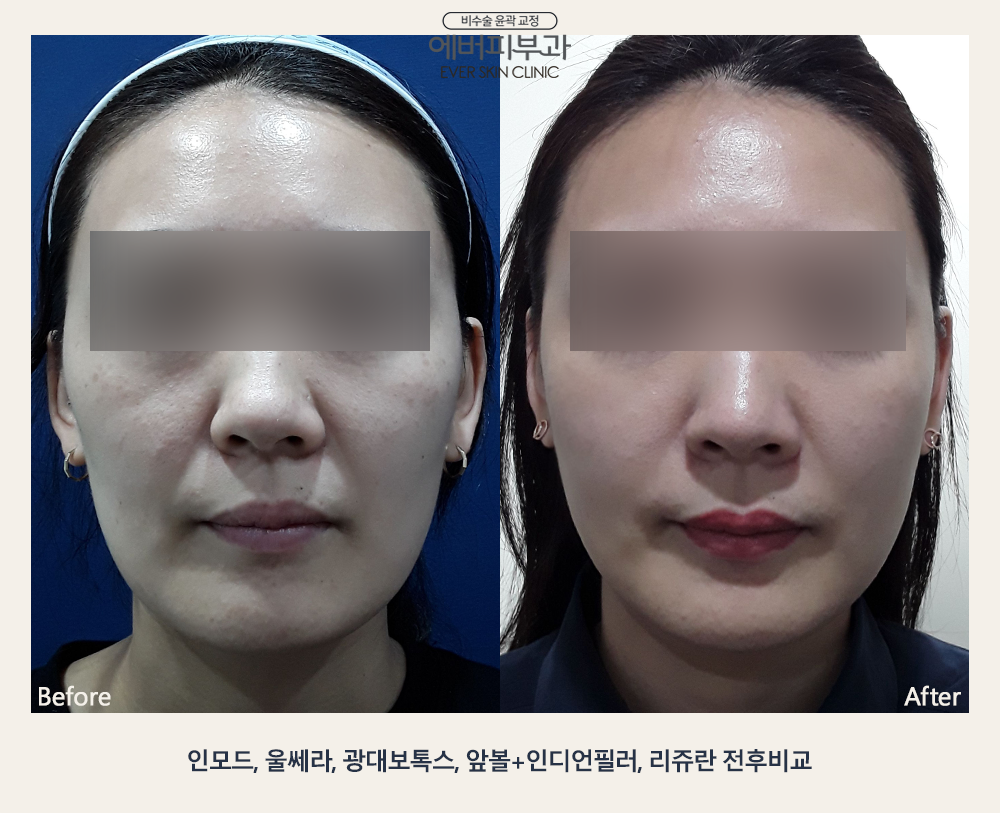
Real patient · before & after
About our before-and-after photos
This case shows a combined facial lifting and skin program, shared as an example of our non-surgical work. It is not a hair loss medication result.
Medication results are gradual and are best tracked with your own standardised scalp photos. Ask us for hair-specific examples at consultation.
Photos are shared with the patient's consent and are not retouched apart from privacy blurring. Results differ from person to person and are not guaranteed.
See more before & after photosSide effects & safety
Side effects and safety
Topical minoxidil can irritate the scalp, and any minoxidil may cause temporary extra shedding in the first weeks. Oral minoxidil can cause unwanted facial or body hair and, less often, palpitations, dizziness or ankle swelling. Finasteride and dutasteride can rarely reduce libido or affect mood, and they alter PSA blood test results.
Tell your dermatologist if you are pregnant, planning pregnancy or breastfeeding, have heart, blood pressure, liver or prostate conditions, a history of depression, or take other regular medicines.
Aftercare tips
- Use medication at the same time each day
- Allow at least 6 months before judging the result
- Do not stop suddenly without discussing it; gains usually fade
- Report palpitations, swelling or mood changes promptly
- Bring your prescription or a doctor's letter when travelling with medication
Questions we hear every day
Hair Loss Medical Therapy FAQ
Do I need a prescription for hair loss medication in Korea?
Oral minoxidil, finasteride and dutasteride are prescription medicines and need a doctor's assessment. Our dermatologists can examine you, explain the options and prescribe when suitable, including enough supply for your stay.
How long until medication works?
Shedding often slows within two to three months, and visible thickening usually takes about six months, with the full effect at about a year. Early temporary shedding with minoxidil is common and usually settles.
Will I have to take it forever?
Pattern hair loss continues over time, and benefits usually fade within several months of stopping. Many patients continue long term; your dermatologist can help simplify the routine or adjust the dose to one you can keep up.
Can women use hair loss medication?
Yes. Topical and low-dose oral minoxidil are common choices for women. Finasteride and dutasteride are generally avoided in women who could become pregnant, so a dermatologist chooses carefully based on age and plans.
Can medication be combined with PRP or exosomes?
Yes, and combinations are common. Medication slows the underlying process, while injections aim to support the follicle environment. Your dermatologist will plan timing so the two work together.
Talk to a board-certified dermatologist in Apgujeong
Send us your skin concern and photos on WhatsApp.
An English-speaking team member will reply and arrange your consultation.
Mon & Thu 10:00–19:00 · Tue & Fri 10:00–20:00 · Sat 10:00–16:00 · Closed Wed, Sun & holidays

