
Hair Loss Treatments in Apgujeong, Gangnam Seoul
Board-Certified Dermatologist Top 2% in Korea 13+ Years
Hair Loss Treatments · quick answer
Choosing a hair loss treatment, in one paragraph
Hair loss treatments fall into three groups: medications that slow follicle shrinkage or prolong the growth phase (minoxidil, finasteride, dutasteride), regenerative scalp injections that deliver growth factors or exosomes (PRP, exosomes, M-Cure Cell), and supportive low-level laser light. The strongest evidence is for medication, with injections and laser often added to boost results. At Ever Skin Clinic in Apgujeong, a board-certified dermatologist confirms the cause and stage of your hair loss before recommending a combination.
Medically reviewed by Dr. Jieun Kim, M.D. Founder & Director, board-certified dermatologist. Dermatology residency at Hanyang University Hospital; adjunct professor, Hanyang University College of Medicine. Meet our dermatologists Last reviewed October 2026
- Options
- Medication, PRP, exosomes, M-Cure Cell, low-level laser
- Best for
- Early to moderate pattern hair loss and diffuse shedding
- Course
- Medication daily; injections often monthly for 3 to 4 sessions
- Downtime
- Little to none for most options
- Results
- Usually visible from about 3 to 6 months
Treatment options
How the main hair loss treatments compare
Medication is the foundation for pattern hair loss. Minoxidil helps follicles stay in the growth phase longer, while finasteride and dutasteride reduce DHT, the hormone that shrinks follicles in genetically sensitive scalps. Both work only while they are taken.
Regenerative injections such as PRP hair therapy and exosomes aim to improve the follicle environment and are usually combined with medication rather than used instead of it. Laser light is a gentle add-on with modest effect.
What each option does
- Minoxidil : prolongs the growth phase; topical or low-dose oral
- Finasteride / dutasteride : lower DHT to slow pattern hair loss, mainly in men
- PRP : concentrated platelets from your blood injected into thinning areas
- Exosomes and M-Cure Cell : regenerative scalp injections used alongside other care
- Low-level laser : red light to support follicle activity, no needles
Is it right for you?
Who benefits most
The best results come in early to moderate thinning, when follicles are smaller but still active. Smooth, shiny areas that have been bald for years usually do not regrow with non-surgical treatment, and your dermatologist will tell you honestly if surgical referral or camouflage makes more sense.
Shedding caused by illness, iron deficiency or thyroid disease is managed by treating the cause, sometimes with scalp support alongside.
Treatment may suit you if you
- See a receding hairline, thinning crown or widening part
- Notice more hair on your pillow or in the shower for several months
- Want to slow progression before it becomes advanced
- Prefer non-surgical options or want to protect results after a transplant
- Can commit to a plan of several months
Choosing a plan
How we build your hair loss plan
Your plan is based on diagnosis, not on a fixed package.
- Scalp assessment A dermatologist examines the pattern and density of thinning and checks the scalp under magnification.
- Find the cause History and, if needed, blood tests help separate pattern hair loss from shedding with an internal cause.
- Combine options We suggest a realistic mix of medication, injections or laser care for your stage, sex and schedule.
- Track progress Baseline photos are taken so you can compare at about 3 and 6 months.
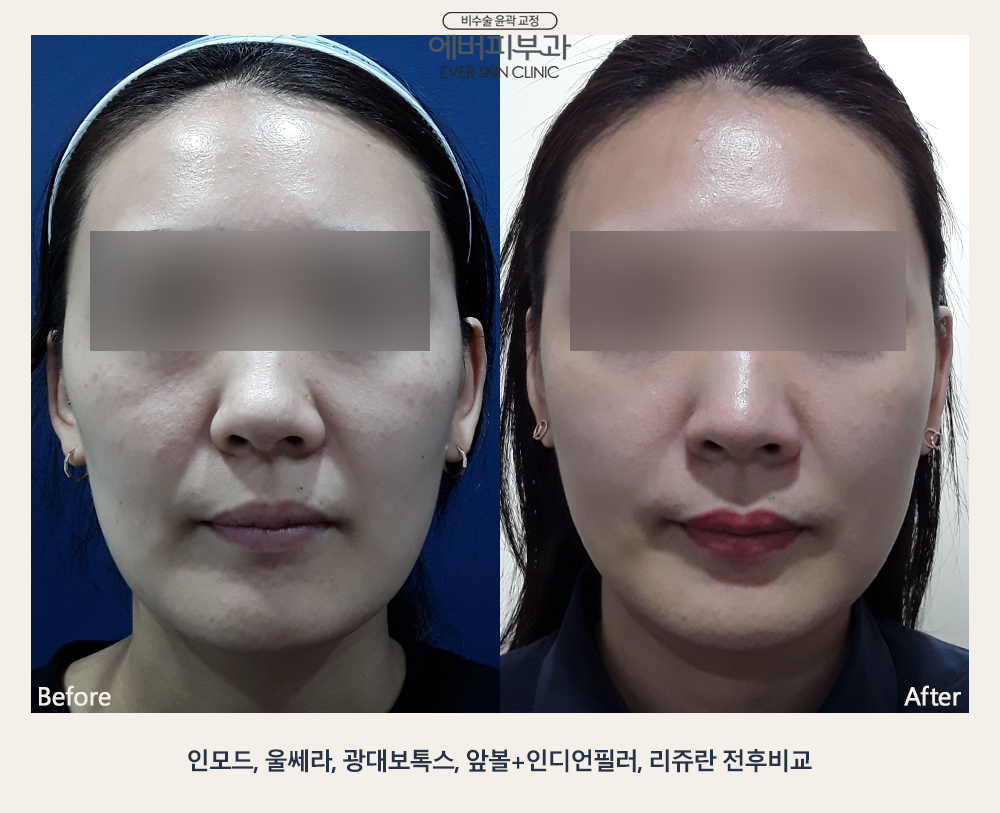
Real patient · before & after
About our before-and-after photos
This case shows a combined facial lifting and skin program, shared as an example of our non-surgical work. It is not a hair loss result.
Ask us at consultation for hair-specific progress examples, and we will take standardised scalp photos so you can see your own change over time.
Photos are shared with the patient's consent and are not retouched apart from privacy blurring. Results differ from person to person and are not guaranteed.
See more before & after photosRecovery & safety
Recovery, side effects and safety
Injections can leave the scalp tender, slightly swollen or bruised for a day or two. Minoxidil may cause scalp irritation, early temporary shedding, or with oral use, unwanted hair growth elsewhere, palpitations or ankle swelling. Finasteride and dutasteride can rarely affect libido or mood, and your dermatologist will discuss this before you start.
Tell your doctor if you are pregnant, planning pregnancy or breastfeeding, have heart or blood pressure problems, a bleeding disorder or take blood thinners.
Aftercare tips
- Take medication consistently; results depend on daily use
- Do not wash your hair for the rest of the day after injections
- Avoid saunas, swimming and heavy exercise for about 24 hours after injections
- Expect possible early shedding in the first 2 to 8 weeks
- Return for review at about 3 months rather than judging too early
Questions we hear every day
Hair Loss Treatments FAQ
What is the most effective hair loss treatment?
For pattern hair loss, medication such as minoxidil and, in men, finasteride or dutasteride has the strongest evidence. PRP, exosomes and laser are usually added to support results. The right plan depends on your diagnosis, sex and stage, which your dermatologist assesses first.
How many PRP or exosome sessions will I need?
A common start is three to four sessions about four weeks apart, then maintenance every few months. Response varies, so your dermatologist reviews progress photos before recommending more sessions.
Will treatment regrow hair on completely bald areas?
Usually not. Non-surgical treatments work on follicles that are still alive. Long-standing smooth bald areas rarely regrow, and options such as a hair transplant or scalp micropigmentation may be discussed instead.
Can I combine several treatments?
Yes, and combinations are common. Many patients use daily medication with periodic PRP or exosome injections and optional laser care. Your dermatologist will check that the combination is safe for you and practical for your schedule.
I am only in Seoul for a week. Is it worth starting?
Yes, many visitors start here. You can receive a diagnosis, a first injection session and a medication plan in one visit, and we provide a written summary so treatment can continue with your own doctor at home.
Talk to a board-certified dermatologist in Apgujeong
Send us your skin concern and photos on WhatsApp. An English-speaking team member will reply and arrange your consultation.
Mon & Thu 10:00–19:00 · Tue & Fri 10:00–20:00 · Sat 10:00–16:00 · Closed Wed, Sun & holidays