
Finasteride & Dutasteride in Apgujeong,
Gangnam, Seoul
Board-Certified Dermatologist Top 2% in Korea 13+ Years
Finasteride / Dutasteride · quick answer
What finasteride and dutasteride do, in one paragraph
Finasteride and dutasteride are 5-alpha-reductase inhibitors: they reduce the conversion of testosterone into DHT, the hormone that makes genetically sensitive scalp follicles shrink in male pattern hair loss. Taken daily, they slow progression in most men and can thicken hair in many. Finasteride blocks one form of the enzyme, dutasteride two, so dutasteride lowers DHT more. At Ever Skin Clinic, a board-certified dermatologist checks suitability, explains side effects and may combine them with minoxidil or regenerative care.
Medically reviewed by
Dr. Jieun Kim, M.D.
Founder & Director, Ever Skin Clinic · Board-certified dermatologist
- Adjunct Professor, Hanyang University College of Medicine
- Dermatology residency, Hanyang University Hospital
- Master’s degree in Dermatology, Hanyang University
- Regular Member, Korean Dermatological Association
- Regular Member, Korean Laser Medicine Association
- Member, World Congress of Dermatology
- Published in JAAD and Annals of Dermatology
- English-speaking consultations
Meet our dermatologists → Last reviewed October 2026
- Type
- 5-alpha-reductase inhibitors (DHT blockers)
- Best for
- Male pattern hair loss at the crown, mid-scalp and hairline
- Use
- Usually a daily tablet; scalp injection in selected cases
- Downtime
- None
- Results
- Shedding slows in about 3 months; thickening from about 6 to 12 months
The treatment
How finasteride and dutasteride work
In male pattern hair loss, DHT binds to receptors in genetically sensitive follicles and gradually shrinks them, producing finer, shorter hairs. Finasteride 1 mg is approved for this use in many countries. Dutasteride is approved for hair loss in Korea and Japan and is used off-label elsewhere; it lowers DHT further and may help some men who respond incompletely to finasteride.
These medicines slow the cause of pattern hair loss, so they pair well with minoxidil, which supports growth by a different route, and with PRP hair therapy. Both are part of our medical therapy.
Treatment options
- Oral finasteride : daily tablet, the most widely used option
- Oral dutasteride : stronger DHT reduction for selected patients
- Topical finasteride : where available, may reduce body-wide exposure
- Scalp injection (mesotherapy) : dutasteride placed locally in selected cases
- Combination : with minoxidil and regenerative treatment
Is it right for you?
Who is a good candidate?
These medicines are mainly for adult men with pattern hair loss, especially at the crown and mid-scalp. They work best before thinning is advanced, and the main goal is to keep the hair you have.
They are generally not used in women who are or could become pregnant, because they can affect the development of a male fetus. Some post-menopausal women may be considered under close supervision.
They may suit you if you
- Are a man with a receding hairline or thinning crown
- Want the strongest evidence-based option to slow progression
- Have a family history of male pattern baldness
- Are planning or have had a hair transplant and want to protect native hair
- Can take a daily tablet long term

Starting treatment
How treatment is started
Starting treatment needs a consultation and, for some patients, blood tests.
- Diagnosis A dermatologist confirms DHT-related pattern hair loss and excludes other causes.
- Health review We discuss your medical history, fertility plans, mood history and other medicines.
- Prescription We choose finasteride or dutasteride, the form and dose, and explain expected timelines and side effects.
- Follow-up Progress photos are reviewed at about 3, 6 and 12 months, and side effects are checked.
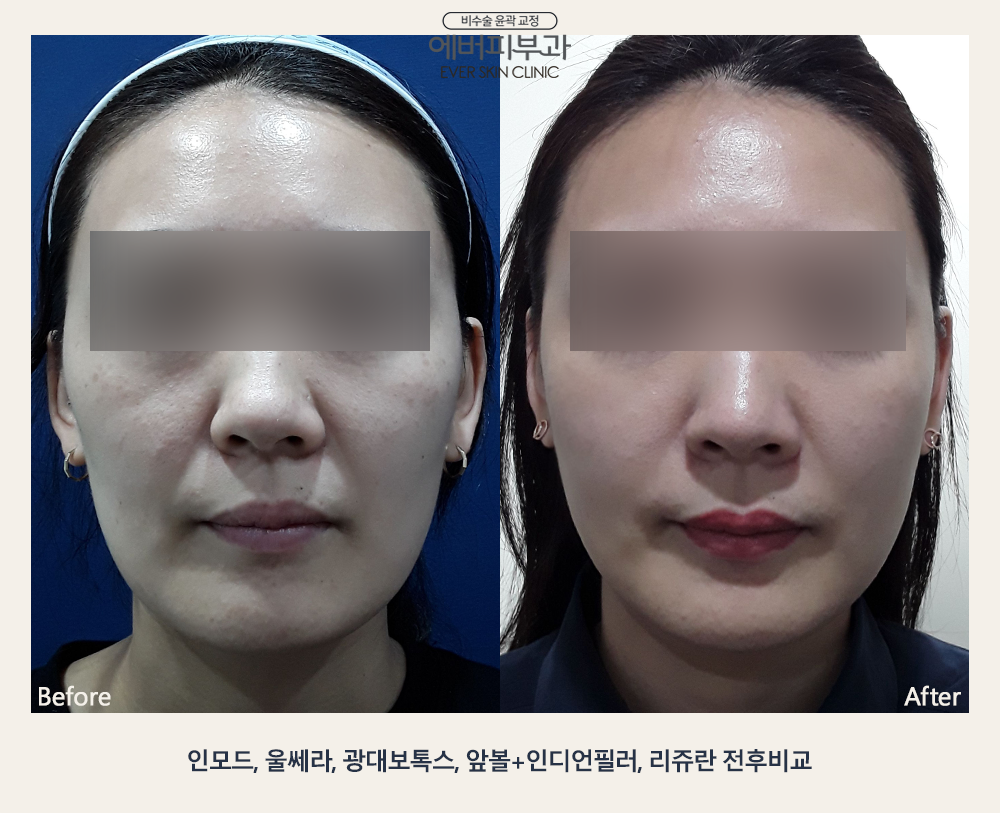
Real patient · before & after
About our before-and-after photos
This case shows a combined facial lifting and skin program, shared as an example of our non-surgical work. It is not a finasteride, dutasteride or hair result.
Medication results are gradual, so we take standardised scalp photos at the start. Ask us for hair-specific examples at consultation.
Photos are shared with the patient's consent and are not retouched apart from privacy blurring. Results differ from person to person and are not guaranteed.
See more before & after photosSide effects & safety
Side effects and safety
Most men have no side effects. A small proportion experience reduced libido, erectile or ejaculation changes, or breast tenderness, which usually resolve on stopping. Mood changes, including low mood, have been reported, and rare reports describe symptoms that persist after stopping. These medicines also lower PSA blood test results, so tell any doctor checking your prostate that you take them.
Women who are pregnant or may become pregnant should not handle broken or crushed tablets. Do not donate blood while taking them and for a period afterwards (about 1 month for finasteride and 6 months for dutasteride). Tell your dermatologist about liver disease, depression, or fertility plans.
Aftercare tips
- Take the tablet at the same time each day
- Allow 6 to 12 months before judging the result
- Report mood changes or sexual side effects promptly
- Tell other doctors you take a DHT blocker, especially before a PSA test
- Do not stop suddenly without discussing it; benefit usually fades
Questions we hear every day
Finasteride / Dutasteride FAQ
What is the difference between finasteride and dutasteride?
Both reduce DHT. Finasteride blocks the type 2 enzyme, while dutasteride blocks types 1 and 2, lowering DHT more. Dutasteride may help some men who respond incompletely to finasteride, but it stays in the body longer. Your dermatologist will help you choose.
How long until I see results?
Shedding often slows within about three months. Visible thickening usually takes six to twelve months. For many men, the main benefit is keeping existing hair rather than dramatic regrowth.
Are the sexual side effects common?
They affect a small minority of men and usually resolve after stopping. Rare reports describe persistent symptoms. Discuss any concerns before starting, and tell your dermatologist promptly if you notice changes.
Can women take finasteride or dutasteride?
They are generally not used in women who are or could become pregnant, because they can affect a male fetus. Some post-menopausal women may be considered under specialist supervision. Minoxidil is the usual first choice for women.
Can I get a prescription during a short visit to Seoul?
Yes, after a consultation with our dermatologist. We can prescribe a supply for your plan and give you a written summary so treatment can continue with your doctor at home. Carry the prescription when you travel.
Talk to a board-certified dermatologist in Apgujeong
Send us your skin concern and photos on WhatsApp.
An English-speaking team member will reply and arrange your consultation.
Mon & Thu 10:00–19:00 · Tue & Fri 10:00–20:00 · Sat 10:00–16:00 · Closed Wed, Sun & holidays

