
PRP Hair Therapy in Apgujeong,
Gangnam, Seoul
Board-Certified Dermatologist Top 2% in Korea 13+ Years
PRP Hair Therapy · quick answer
How PRP works on the scalp, in one paragraph
PRP (platelet-rich plasma) hair therapy uses a concentrate of platelets from your own blood, rich in growth factors such as PDGF and VEGF, injected into thinning areas of the scalp. These signals are thought to support blood supply and follicle activity, helping hairs stay in the growth phase and look thicker. It is one of the best-studied regenerative options for pattern hair loss. At Ever Skin Clinic, dermatologists often combine PRP with exosomes, PN boosters or medication for a fuller plan.
Medically reviewed by
Dr. Jieun Kim, M.D.
Founder & Director, Ever Skin Clinic · Board-certified dermatologist
- Adjunct Professor, Hanyang University College of Medicine
- Dermatology residency, Hanyang University Hospital
- Master’s degree in Dermatology, Hanyang University
- Regular Member, Korean Dermatological Association
- Regular Member, Korean Laser Medicine Association
- Member, World Congress of Dermatology
- Published in JAAD and Annals of Dermatology
- English-speaking consultations
Meet our dermatologists → Last reviewed October 2026
- Source
- Platelets concentrated from your own blood
- Best for
- Early to moderate male and female pattern hair loss
- Course
- Often 3 to 4 sessions about 4 weeks apart
- Downtime
- Scalp tenderness for about 1 to 2 days
- Results
- Usually assessed at about 3 to 6 months
How it works
The science behind PRP for hair
Platelets release growth factors that play a role in tissue repair and blood vessel formation. When concentrated and placed around the follicles, they may help weakened, shrinking follicles produce thicker hair and reduce shedding. Studies in pattern hair loss show improvements in hair count and thickness in many, though not all, patients.
PRP is one part of our regenerative hair loss treatment. For a step-by-step guide to the session and timeline, see our PRP hair therapy visit guide.
How we combine PRP
- PRP + medication : minoxidil or finasteride to slow the underlying process
- PRP + exosomes : added regenerative signals, see exosome hair regeneration
- PRP + PN boosters : to calm inflammation and support scalp repair
- PRP + microneedling : for wider coverage of diffuse thinning
- PRP + light therapy : low-level laser between sessions
Is it right for you?
Who is a good candidate?
PRP works best in early to moderate pattern hair loss, where follicles are miniaturised but still active. It is also used for shedding after childbirth or stress, and to support hair after a transplant.
Because it uses your own blood, it can suit patients who prefer to avoid certain medications, although results are usually better when combined with them.
PRP may suit you if you
- Have thinning at the crown, part or hairline
- Want a treatment based on your own blood
- Wish to boost results from minoxidil or finasteride
- Are planning or recovering from a hair transplant
- Can commit to an initial course and maintenance
Your visit
What happens during treatment
A session takes about 60 to 90 minutes including blood processing.
- Consultation A dermatologist confirms your diagnosis and decides whether PRP alone or a combination suits you.
- Blood draw and processing A small blood sample is spun in a centrifuge to concentrate the platelets.
- Scalp injection PRP, with any added boosters, is injected in a grid across thinning areas after numbing.
- Plan We schedule the next session, usually about 4 weeks later, and record progress photos.
Real patient · before & after
About our before-and-after photos
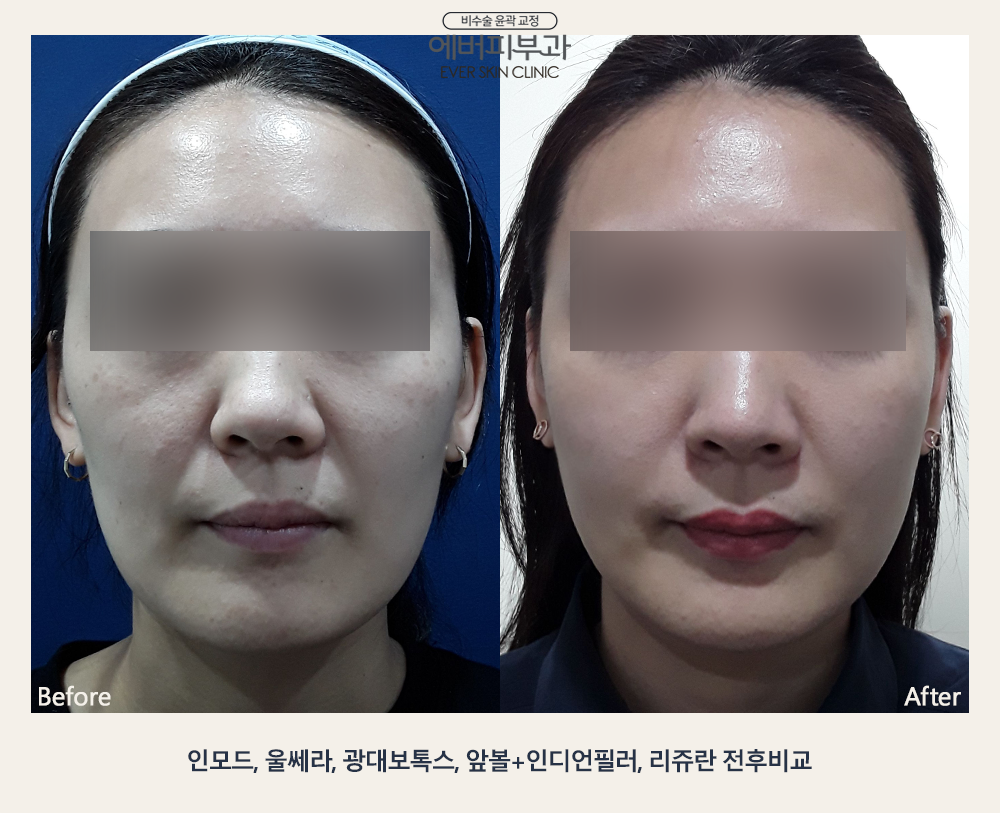
This case shows a combined facial lifting and skin program, shared as an example of our non-surgical work. It is not a PRP hair result.
Ask us at consultation for hair-specific progress examples; we take baseline scalp photos so you can compare your own change.
Photos are shared with the patient's consent and are not retouched apart from privacy blurring. Results differ from person to person and are not guaranteed.
See more before & after photosRecovery & safety
Recovery, side effects and safety
Tenderness, mild swelling, pinpoint bleeding and a feeling of tightness are common for a day or two. Swelling can occasionally move down to the forehead. Infection is rare with sterile technique, and since PRP is your own blood, allergic reactions are very unlikely.
PRP may not be suitable if you have a platelet or bleeding disorder, anaemia, active infection, cancer, or take blood thinners. Tell your dermatologist about regular painkillers such as aspirin or ibuprofen, which can affect platelet function.
Aftercare tips
- Avoid washing your hair until the next day
- Skip anti-inflammatory painkillers for a few days unless prescribed
- Avoid saunas, swimming and heavy exercise for about 24 hours
- Avoid hair dye and perms for a few days
- Keep taking prescribed hair loss medication
Questions we hear every day
PRP Hair Therapy FAQ
Does PRP hair therapy hurt?
The scalp injections sting, especially at the hairline. We use numbing and cooling to help, and most patients find it manageable. Tenderness usually settles within one to two days.
How long do PRP results last?
Benefits generally last several months to a year, but pattern hair loss continues, so maintenance sessions every six to twelve months are common. Combining PRP with medication helps results last longer.
Is PRP better than exosomes?
PRP has more published research for hair loss, while exosome treatment is newer. They work in related ways and are often combined. Your dermatologist will suggest the option or mix that fits your scalp.
Can women have PRP hair therapy?
Yes. PRP is used for female pattern thinning and post-partum shedding. It is not done during pregnancy, and your dermatologist will check iron and thyroid levels if shedding could have an internal cause.
Why combine PRP with medication?
PRP supports the follicle environment, but it does not block DHT, the main driver of male pattern hair loss. Medication slows the underlying process, so the two together usually give better results than either alone.
Talk to a board-certified dermatologist in Apgujeong
Send us your skin concern and photos on WhatsApp.
An English-speaking team member will reply and arrange your consultation.
Mon & Thu 10:00–19:00 · Tue & Fri 10:00–20:00 · Sat 10:00–16:00 · Closed Wed, Sun & holidays

