What Happens During a Dermatology Consultation in Korea
What Happens During a Dermatology Consultation in Korea
A dermatology consultation in Korea is typically a structured process designed to evaluate your skin concerns, discuss treatment goals, and develop a personalized treatment plan. Whether you are visiting for acne, pigmentation, anti-aging concerns, or general skin rejuvenation, the consultation helps determine which treatments are most appropriate for your skin type and condition. Many clinics in Seoul also offer services tailored to international patients, making the process accessible for visitors.
Checking In at the Clinic
The consultation usually begins with patient registration and basic paperwork.
Common steps include:
- Completing a medical history form
- Listing current medications
- Discussing allergies
- Providing previous treatment history
- Explaining your primary skin concerns
Many clinics provide English-language forms for international patients.
Skin Concern Assessment
The dermatologist or consultant will evaluate the issues that brought you to the clinic.
Common concerns include:
- Acne
- Acne scars
- Pigmentation
- Melasma
- Enlarged pores
- Fine lines and wrinkles
- Skin laxity
- Uneven skin tone
This discussion helps identify the most important treatment priorities.
Skin Examination
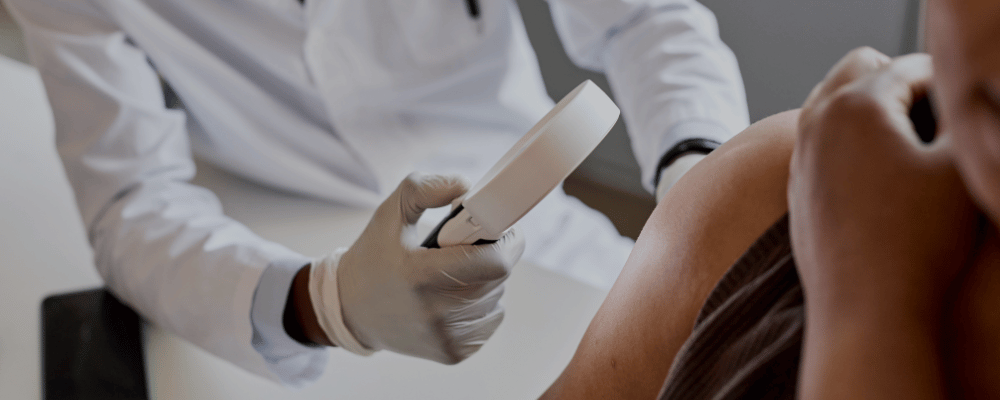
A detailed skin examination is usually performed before recommending treatment.
The assessment may include:
- Skin type evaluation
- Pigmentation analysis
- Acne severity assessment
- Scar evaluation
- Hydration assessment
- Elasticity and aging analysis
Some clinics use imaging devices to provide a more detailed analysis of the skin.
Discussion of Treatment Goals
One of the most important parts of the consultation is discussing what you hope to achieve.
Topics often include:
- Desired results
- Treatment timeline
- Budget considerations
- Downtime preferences
- Previous treatment experiences
Clear communication helps ensure realistic expectations and appropriate recommendations.
Treatment Recommendations
Based on the examination, the provider will recommend suitable treatments.
Examples may include:
- Laser toning
- Pico laser treatments
- Skin boosters
- Rejuran
- Acne treatments
- Skin tightening procedures
- Combination treatment plans
Recommendations are usually customized to the patient's skin condition and goals.
Explanation of Risks and Benefits
A thorough consultation should include a discussion of potential benefits and limitations.
Common topics include:
- Expected results
- Number of sessions required
- Recovery time
- Possible side effects
- Maintenance treatments
- Long-term expectations
Understanding these factors helps patients make informed decisions.
Cost and Treatment Planning
Most clinics discuss pricing before treatment begins.
Typical information includes:
- Consultation fees
- Treatment costs
- Package options
- Recommended number of sessions
- Follow-up visit requirements
Patients can usually decide whether to proceed immediately or schedule treatment later.
Questions Patients Commonly Ask
Many patients use the consultation to gather important information.
Common questions include:
- Are you a board-certified dermatologist?
- How often do you perform this treatment?
- What results are realistic?
- How much downtime should I expect?
- How many sessions are needed?
- What aftercare is recommended?
These questions can help patients better understand their treatment plan.
Final Thoughts
A dermatology consultation in Korea is typically focused on understanding your skin concerns, evaluating your skin condition, and creating a personalized treatment strategy. From skin analysis and goal-setting to treatment recommendations and cost discussions, the consultation serves as the foundation for a successful treatment experience. Taking the time to ask questions and communicate your expectations clearly can help ensure that you receive a plan that matches both your skin needs and your treatment goals.