AI Skin Scanners vs Board-Certified Dermatologists
AI Skin Scanners vs Board-Certified Dermatologists
AI skin scanners have become increasingly common in dermatology clinics, aesthetic centers, and skincare consultations. These systems use cameras, imaging devices, and artificial intelligence algorithms to analyze various skin characteristics and generate reports. Board-certified dermatologists, on the other hand, undergo years of specialized medical training to diagnose and treat skin, hair, and nail conditions. While both can contribute valuable information, their roles, capabilities, and limitations are very different.
What Are AI Skin Scanners?
AI skin scanners are technology-based systems designed to evaluate skin characteristics.
Common measurements include:
- Pigmentation
- Wrinkles
- Pore size
- Skin texture
- Redness
- Oil production
- Hydration levels
Many clinics use these tools to provide visual reports and monitor changes over time.
What Is a Board-Certified Dermatologist?
A board-certified dermatologist is a physician who has completed specialized dermatology training and certification requirements.
Typical qualifications include:
- Medical school education
- Dermatology residency training
- Specialty board certification
- Clinical diagnosis experience
- Medical and cosmetic dermatology expertise
Their training focuses on both skin diseases and aesthetic treatments.
How AI Skin Scanners Work
Most AI systems analyze photographs or imaging data.
The process often involves:
- Capturing facial images
- Evaluating visible skin features
- Comparing results to large databases
- Generating skin scores
- Producing treatment suggestions
The analysis is typically fast and highly visual.
How Dermatologists Evaluate Skin
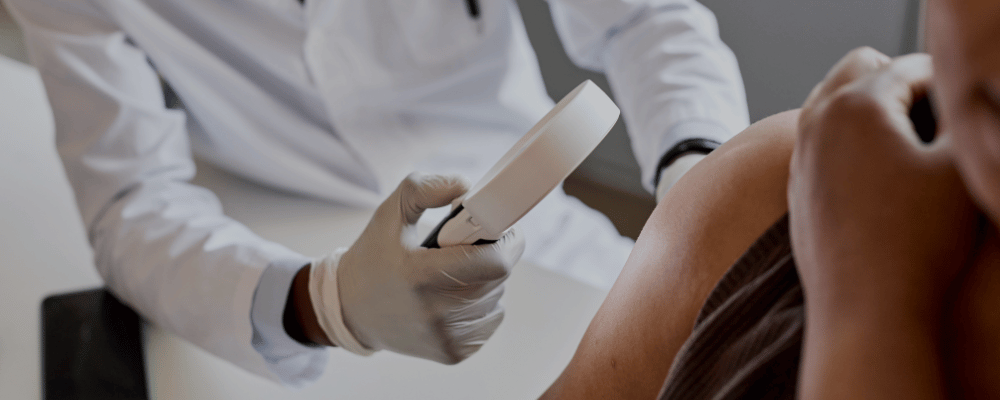
Dermatologists use a broader clinical approach.
Their assessment may include:
- Medical history review
- Physical examination
- Symptom evaluation
- Risk assessment
- Diagnostic testing when necessary
- Personalized treatment planning
This allows them to consider factors that may not be visible in images alone.
Advantages of AI Skin Scanners
AI technology offers several practical benefits.
Advantages include:
- Rapid analysis
- Objective measurements
- Progress tracking
- Consistent imaging comparisons
- Visual treatment reports
- Patient education support
These tools can help patients better understand their skin condition.
Advantages of Board-Certified Dermatologists
Dermatologists provide expertise beyond image interpretation.
Advantages include:
- Medical diagnosis capability
- Clinical judgment
- Prescription authority
- Treatment customization
- Management of complications
- Long-term patient care
Their training enables them to identify both cosmetic and medical concerns.
Key Differences
AI skin scanners:
- Technology-driven assessment
- Focus on visible skin features
- Generate scores and measurements
- Limited medical interpretation
- Useful for monitoring changes
Board-certified dermatologists:
- Medical evaluation and diagnosis
- Consider symptoms and history
- Treat skin diseases
- Develop comprehensive treatment plans
- Provide ongoing clinical care
The two approaches serve different purposes within patient care.
When AI Skin Scanners Are Most Useful
AI analysis may be particularly valuable for:
- Cosmetic consultations
- Tracking treatment progress
- Monitoring pigmentation
- Evaluating skin texture
- Comparing before-and-after results
- Supporting treatment discussions
Many clinics use AI reports as part of the consultation process.
When a Board-Certified Dermatologist Is Essential
Specialist evaluation is particularly important for:
- Acne and acne scars
- Melasma
- Chronic skin diseases
- Suspicious moles or lesions
- Skin infections
- Persistent rashes
- Complex pigmentation disorders
These conditions often require medical expertise and individualized treatment decisions.
Final Thoughts
AI skin scanners can provide useful insights into skin quality, pigmentation, texture, and treatment progress, making them valuable tools in modern dermatology and aesthetic medicine. However, board-certified dermatologists offer medical knowledge, diagnostic expertise, and clinical judgment that AI systems cannot fully replicate. While AI can assist with analysis and monitoring, it cannot replace the ability of a specialist to diagnose conditions, prescribe treatments, and manage patient care. For most patients, the best approach is a combination of advanced imaging technology and the expertise of a board-certified dermatologist.