AI Skin Apps vs Professional Dermatology Clinics
AI Skin Apps vs Professional Dermatology Clinics
AI skin apps have become increasingly popular among consumers looking for quick skin assessments and skincare recommendations. Using smartphone cameras and artificial intelligence, these apps can analyze visible skin features and provide instant feedback. Professional dermatology clinics, however, offer medical expertise, diagnostic capabilities, and personalized treatment plans that extend far beyond image analysis. While AI apps can be useful tools, they serve a different purpose than professional dermatology care.
What Are AI Skin Apps?
AI skin apps are mobile applications that use image recognition technology to evaluate skin characteristics.
Common features include:
- Skin analysis
- Pigmentation assessment
- Wrinkle evaluation
- Pore analysis
- Skin age estimates
- Product recommendations
- Progress tracking
Most apps require only a smartphone camera and a facial photograph.
What Professional Dermatology Clinics Provide
Dermatology clinics offer comprehensive medical and aesthetic skin care services.
Common services include:
- Medical diagnosis
- Skin examinations
- Prescription treatments
- Laser procedures
- Acne management
- Pigmentation treatment
- Anti-aging therapies
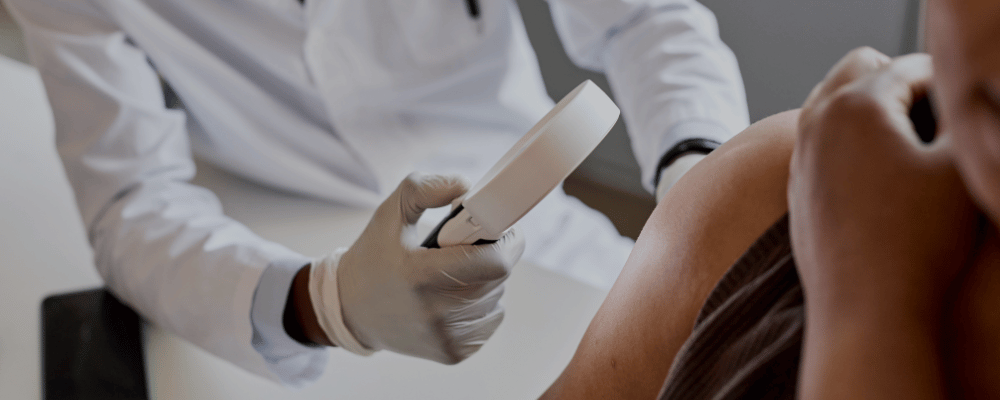
Professional evaluation includes both visual assessment and clinical judgment.
How AI Skin Apps Work
Most AI apps follow a similar process.
Typical steps include:
- Uploading a facial photo
- Analyzing visible skin features
- Comparing results with image databases
- Generating scores and reports
- Suggesting skincare products
Results are usually available within seconds.
How Dermatologists Evaluate Patients
Dermatologists consider far more than what appears in a photograph.
Their evaluation may include:
- Medical history
- Current symptoms
- Previous treatments
- Lifestyle factors
- Physical examination
- Risk assessment
This broader approach helps identify underlying causes of skin concerns.
Advantages of AI Skin Apps
AI apps offer several practical benefits.
Advantages include:
- Convenience
- Immediate results
- Low cost
- Easy progress tracking
- Accessibility
- Educational insights
They can be useful for monitoring general skin changes over time.
Advantages of Professional Dermatology Clinics
Professional clinics provide capabilities that apps cannot fully replicate.
Advantages include:
- Accurate medical diagnosis
- Personalized treatment planning
- Prescription authority
- Advanced procedures
- Management of complications
- Ongoing patient care
Dermatologists can evaluate both cosmetic and medical concerns.
Key Differences
AI skin apps:
- Technology-based analysis
- Focus on visible skin features
- Automated recommendations
- Limited medical interpretation
- Self-service approach
Professional dermatology clinics:
- Medical evaluation
- Clinical expertise
- Customized treatment plans
- Diagnostic capabilities
- Direct patient care
The depth of assessment differs significantly between the two.
When AI Skin Apps Can Be Helpful
AI apps may be useful for:
- Monitoring skin condition changes
- Tracking skincare progress
- Learning about skin concerns
- Receiving basic skincare guidance
- Supporting cosmetic consultations
Many users view them as informational tools rather than medical resources.
When Professional Evaluation Is Necessary
A dermatology clinic is generally recommended for:
- Persistent acne
- Melasma
- Suspicious moles
- Chronic rashes
- Skin infections
- Severe pigmentation disorders
- Acne scars
Medical conditions require professional diagnosis and treatment.
Final Thoughts
AI skin apps provide convenient and accessible ways to analyze skin appearance, track changes, and learn more about skincare. However, they cannot replace the medical knowledge, diagnostic expertise, and treatment capabilities offered by professional dermatology clinics. While AI apps may be useful for monitoring and education, dermatologists remain essential for diagnosing skin conditions, developing treatment plans, and managing long-term skin health. For most individuals, AI technology is most effective when used as a complement to professional dermatological care rather than a substitute for it.