Dermatology Tourism in Seoul Explained
Dermatology Tourism in Seoul Explained
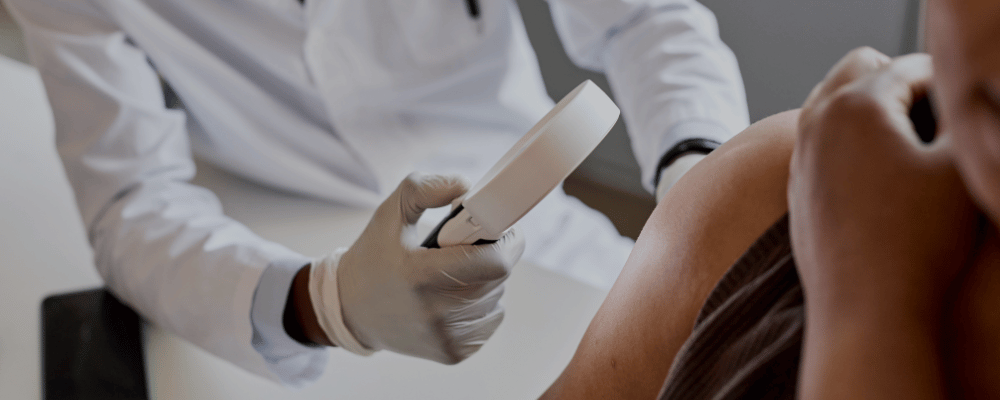
Seoul has become one of the world's most popular destinations for dermatology tourism, attracting visitors who travel specifically for skin treatments, anti-aging procedures, acne care, and laser therapies. The city's combination of advanced technology, experienced specialists, competitive pricing, and convenient travel infrastructure has made it a global hub for cosmetic and medical dermatology. Many visitors schedule treatments as part of a broader trip that includes shopping, sightseeing, and cultural experiences.
What Is Dermatology Tourism?
Dermatology tourism refers to traveling to another country for skin-related medical or aesthetic treatments.
Common reasons include:
- Lower treatment costs
- Access to advanced technologies
- Specialist expertise
- Faster appointment availability
- Cosmetic skin improvements
- Anti-aging procedures
In Seoul, dermatology tourism has become a major part of the city's medical tourism industry.
Why Seoul Became a Global Dermatology Hub
Several factors have contributed to Seoul's popularity among international patients.
Key advantages include:
- Large number of dermatology clinics
- Advanced laser technologies
- Experienced specialists
- Competitive pricing
- Continuous innovation
- Strong beauty and skincare culture
The city offers an unusually high concentration of skin-focused medical providers.
Popular Treatments Among Foreign Visitors
International patients often travel to Seoul for procedures such as:
- Laser toning
- Pico laser treatments
- Acne scar revision
- Skin boosters
- Rejuran treatments
- Skin tightening procedures
- Pigmentation correction
- Anti-aging therapies
Many clinics offer customized treatment plans based on individual skin concerns.
Why Treatment Costs Attract Travelers
One of the main reasons patients choose Seoul is affordability.
Compared with many Western countries, visitors may find:
- Lower consultation fees
- More affordable laser treatments
- Competitive anti-aging procedures
- Better value treatment packages
- Access to multiple treatments during one trip
This combination of quality and value is a major attraction for international patients.
International Patient Services
Many clinics have adapted to growing international demand.
Common services include:
- English-speaking staff
- Multilingual coordinators
- Online reservations
- Foreign patient consultations
- Translation assistance
- Aftercare guidance
These services help make treatment more accessible for visitors.
Best Areas for Dermatology Clinics
Several districts are especially popular among medical tourists.
Common locations include:
- Gangnam
- Apgujeong
- Sinsa
- Jamsil
- Myeongdong
Each area offers a different mix of clinic styles, pricing, and patient demographics.
How Long Should Visitors Stay?
The ideal stay depends on the treatment selected.
General guidelines include:
- Same-day treatments: 1–2 days
- Laser treatments: 3–5 days
- Skin boosters: 2–4 days
- Multiple treatment plans: 5–10 days
- Procedures requiring follow-up: 1–2 weeks
Patients should always follow their provider's recommendations regarding recovery time.
What Foreign Patients Should Research
Before booking a treatment, visitors often evaluate:
- Dermatologist credentials
- Clinic reputation
- Treatment experience
- Communication support
- Pricing transparency
- Recovery requirements
Careful research can help ensure a safer and more satisfying experience.
Final Thoughts
Dermatology tourism in Seoul continues to grow because the city offers a unique combination of advanced technology, experienced providers, competitive pricing, and international patient support. Whether seeking acne treatment, pigmentation correction, skin rejuvenation, or anti-aging procedures, many visitors find that Seoul provides access to a wide range of high-quality dermatology services. For travelers interested in improving their skin while exploring one of Asia's most dynamic cities, Seoul remains one of the world's leading dermatology tourism destinations.