
Ultracol in Apgujeong, Gangnam Seoul
Board-Certified Dermatologist Top 2% in Korea 13+ Years
Ultracol · quick answer
What Ultracol does, in one paragraph
Ultracol is a Korean injectable collagen stimulator based on polydioxanone (PDO), the same absorbable material used in thread lifts, in a fine powder form that is mixed into a solution before injection. Spread through the skin, it prompts new collagen formation, which can gradually improve firmness, fine lines, crepey texture and pores. It is a lighter option than volumising stimulators. At Ever Skin Clinic, a board-certified dermatologist checks whether your concern is skin quality or volume loss before recommending it.
Medically reviewed by Dr. Jieun Kim, M.D. Founder & Director, board-certified dermatologist. Dermatology residency at Hanyang University Hospital; adjunct professor, Hanyang University College of Medicine. Meet our dermatologists Last reviewed October 2026
- Ingredient
- Polydioxanone (PDO) particles, reconstituted before use
- Best for
- Loss of firmness, crepey skin, fine lines, enlarged pores
- Course
- Often 1 to 3 sessions, about 4 weeks apart
- Downtime
- Redness, small bumps or bruising for a few days
- Results
- Build gradually over about 1 to 3 months
The treatment
What is Ultracol?
Ultracol is one of the collagen stimulators we use. Instead of PLLA or PCL, it is based on PDO, the absorbable material familiar from PDO threads. The finely milled particles create a gentle stimulus in the dermis and are gradually broken down by the body, while new collagen is laid down.
Because it is lighter and spreads widely, Ultracol is typically used to improve skin firmness and texture across the face or neck rather than to add structural volume. When hollowing is the main issue, our dermatologists may suggest Sculptra or Juvelook Volume instead.
What Ultracol can and cannot do
- Can improve skin firmness and elasticity gradually
- Can refine crepey texture, fine lines and pores
- Can be combined with lifting devices or threads
- Cannot replace fillers or volumising stimulators for deep hollows
- Cannot lift significant sagging on its own
Is it right for you?
Who is a good candidate?
Ultracol suits adults with early loss of firmness, thinning or crepey skin and fine lines who want a subtle, gradual change in skin quality. It is often used on the cheeks, lower face and neck.
If you want visible volume restoration or contour change, your dermatologist will discuss fillers or other stimulators, and if laxity is marked, a lifting device such as Thermage or Ultherapy may be added.
Ultracol may suit you if you
- Notice early slackening and loss of bounce in the skin
- Have crepey skin on the cheeks or neck
- Want to soften fine lines and refine pores
- Prefer a subtle change without added volume
- Are planning a combined lifting and skin quality program
Your visit
What happens during treatment
A session usually takes about 30 to 45 minutes including numbing.
- Consultation A board-certified dermatologist examines skin thickness and laxity and agrees areas and number of sessions with you.
- Numbing Numbing cream is applied for about 20 to 30 minutes.
- Injection The reconstituted product is spread evenly through the planned areas with a fine needle or cannula.
- Aftercare We explain aftercare and book further sessions if a course is planned.
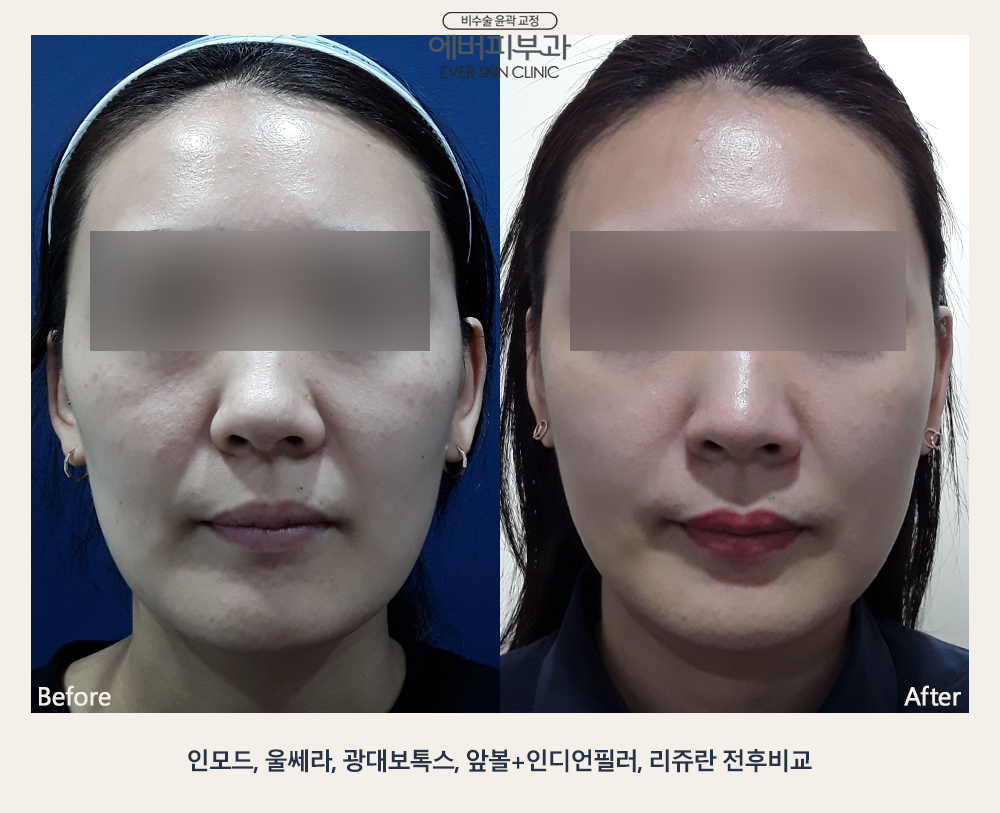
Real patient · before & after
Firmer skin within a full-face plan
This case shows a combined lifting and skin program, shown as an example of our non-surgical results; it is not an Ultracol result. Ultracol is usually one part of a broader plan for firmness and skin quality.
Ask us for Ultracol-specific cases at consultation, and your dermatologist will explain what is realistic for your skin.
Photos are shared with the patient's consent and are not retouched apart from privacy blurring. Results differ from person to person and are not guaranteed.
See more before & after photosRecovery & safety
Recovery, side effects and aftercare
Redness, small bumps, mild swelling and occasional bruising are common and usually settle within a few days. Less common risks include lumps, prolonged redness and infection; even distribution and correct depth help reduce these.
Tell your dermatologist if you are pregnant or breastfeeding, have an autoimmune condition, active skin infection, a tendency to keloid scarring, or take blood thinners.
Aftercare tips
- Avoid make-up on treated areas for the rest of the day
- Skip saunas, hot baths and intense exercise for 2 to 3 days
- Follow any massage instructions you are given
- Use a gentle moisturiser and daily sunscreen
- Message the clinic if you notice a firm lump or increasing redness
Questions we hear every day
Ultracol FAQ
What is Ultracol made of?
Ultracol is based on polydioxanone (PDO), an absorbable material also used in PDO threads. It comes as fine particles that are reconstituted into a solution before injection and are gradually broken down by the body as new collagen forms.
How is Ultracol different from Sculptra or Ellansé?
Sculptra (PLLA) and Ellansé (PCL) are mainly used to restore volume. Ultracol is lighter and is used more for firmness, fine lines and texture. Your dermatologist will recommend one based on whether your main concern is skin quality or volume loss.
How many sessions do I need?
Many patients have one to three sessions about four weeks apart. Results build gradually over one to three months, and maintenance timing depends on your skin and age.
Does Ultracol hurt?
Numbing cream is applied first, so most patients feel brief stinging or pressure. Tenderness and redness may last a day or two.
Can I have Ultracol on a trip to Seoul?
Often yes, as downtime is usually a few days of redness or small bumps. If a course is advised, we can plan sessions around your travel or combine Ultracol with other treatments in one visit.
Talk to a board-certified dermatologist in Apgujeong
Send us your skin concern and photos on WhatsApp. An English-speaking team member will reply and arrange your consultation.
Mon & Thu 10:00–19:00 · Tue & Fri 10:00–20:00 · Sat 10:00–16:00 · Closed Wed, Sun & holidays