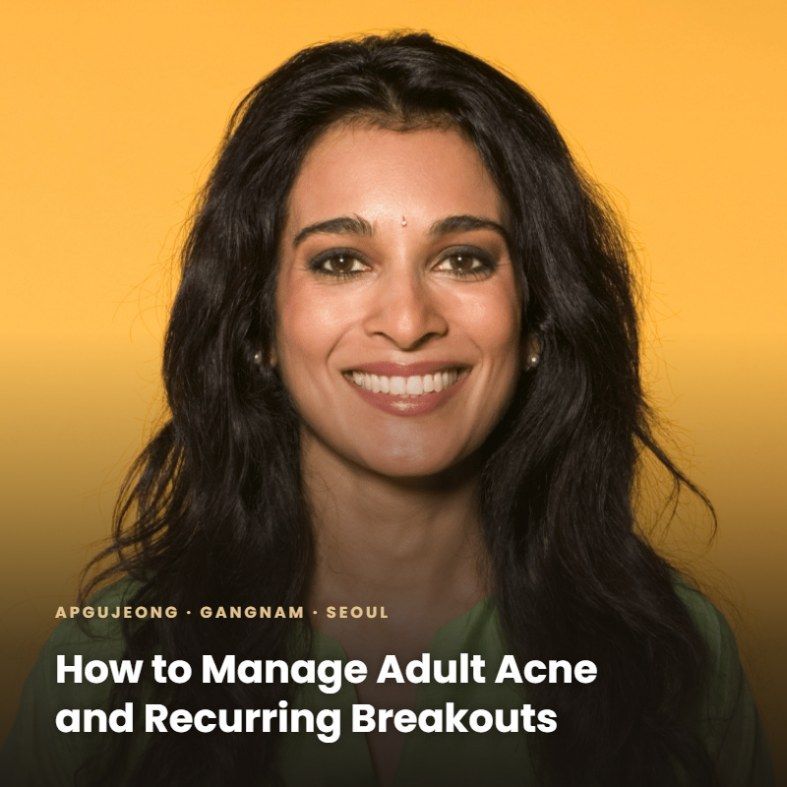
Adult acne is acne that continues past the teenage years or starts after age 25. It is common, especially in women, and is often linked to hormones, stress, skincare and makeup, and some medicines. Recurring breakouts usually need a steady routine with a retinoid and anti-inflammatory treatment, plus attention to triggers, rather than short bursts of treatment during flares.
Why Do Adults Still Get Acne?
Many people expect acne to end after the teenage years, but a large number of adults continue to have breakouts or develop them for the first time in their 20s, 30s and 40s. Adult acne is more common in women than in men. It is often milder than teenage acne but more persistent, and it tends to leave dark marks that last longer.
| Type of adult acne | Description |
|---|---|
| Persistent acne | Acne that started in the teens and never fully cleared |
| Late-onset acne | Acne that appears for the first time after about age 25 |
| Recurrent acne | Acne that cleared but returns, often with hormonal changes or stress |
Common Causes of Adult Acne
- Hormonal changes: menstrual cycles, pregnancy, perimenopause and stopping or changing contraception.
- Stress: stress hormones can increase oil production and inflammation.
- Skincare and makeup: heavy creams, oils and some sunscreens or foundations can clog pores.
- Hair products: oils and pomades can cause breakouts along the hairline.
- Medications: corticosteroids, some hormonal treatments and certain other drugs.
- Underlying conditions: polycystic ovary syndrome and other hormonal disorders.
- Family history: people with relatives who had adult acne are more likely to have it.
How Adult Acne Looks Different From Teenage Acne
Teenage acne often involves the forehead, nose and cheeks, with many blackheads and whiteheads. Adult acne in women more often affects the jawline, chin and neck, with deep, tender red spots and fewer blackheads. To understand this pattern, read what is the difference between hormonal acne and other types of acne.
Why Do Breakouts Keep Coming Back?
Recurring breakouts are frustrating, and they usually have identifiable reasons.
Habits that keep acne under control
- Using treatment every day, even when skin is clear
- Choosing non-comedogenic products
- Gentle cleansing twice a day
- Following up with your doctor to adjust treatment
Habits that often cause recurrence
- Using treatment only on spots during flares
- Stopping medicine as soon as skin improves
- Frequently changing products
- Picking and squeezing spots
The Role of Stress and Sleep
Stress does not cause acne on its own, but it can make breakouts worse and slow healing. Poor sleep and irregular routines, such as shift work or frequent travel, can have a similar effect. Managing stress, keeping regular sleep hours and making your skincare part of a daily routine can reduce flares.
Check Your Products
Look for skincare, sunscreen and makeup labeled non-comedogenic or oil-free. Avoid heavy oils, cocoa butter and thick balms on acne-prone areas. If breakouts started after adding a new product, stop it for a few weeks and see whether your skin improves. Clean makeup brushes and sponges regularly.
Which Treatments Help Adult Acne?
Adult skin is often drier and more sensitive than teenage skin, so treatment is chosen to work well without causing irritation.
| Treatment | Role in adult acne |
|---|---|
| Topical retinoids | Prevent clogged pores and help maintain clear skin long term |
| Azelaic acid | Reduces inflammation and dark marks; well tolerated by sensitive skin |
| Benzoyl peroxide | Reduces acne bacteria; lower strengths reduce irritation |
| Hormonal treatment | Birth control pills or spironolactone for suitable women |
| Oral antibiotics | Used for a limited period for inflamed acne |
| Isotretinoin | For severe, scarring or persistent acne that has not responded |
Clinic Treatments for Recurring Breakouts
Clinic treatments can speed up improvement and help during flares. Professional acne facials clear clogged pores safely, light therapy can reduce bacteria and inflammation, and chemical peels help with oil and marks. These work best with a daily home routine. See acne facials and LED light therapy for more information.
How Long Treatment Usually Continues
Daily treatment for about three months to clear current breakouts.
The doctor reviews progress and changes or adds treatment if needed.
A lighter routine, often a topical retinoid, continues to prevent new spots.
You agree in advance what to add if breakouts return, such as a short course of another treatment.
How Can You Build a Routine That Prevents Breakouts?
- Cleanse morning and evening with a gentle, non-foaming or low-foaming cleanser.
- Apply your acne treatment to the whole area where you usually break out.
- Use a light, non-comedogenic moisturizer to reduce dryness from treatment.
- Wear a non-comedogenic sunscreen every day.
- Remove makeup fully before bed.
- Wash pillowcases and face towels often.
Treating Dark Marks Left by Adult Acne
Adult acne often leaves brown or red marks, especially in medium and darker skin. Controlling new breakouts is the first step, because each new spot can leave a new mark. Azelaic acid, retinoids, daily sunscreen and, in some cases, peels or laser toning can help marks fade faster. Red marks usually fade on their own over several months, while brown marks can last longer, particularly when the skin is exposed to the sun without protection. Marks are flat and are different from true acne scars, which change the texture of the skin and need other treatments.
How Does Adult Acne Change Across Life Stages?
Acne in adults often follows changes in hormones and lifestyle, so the best approach can change over time.
| Life stage | What may happen | Points to discuss with your doctor |
|---|---|---|
| 20s | Persistent acne from the teens, flares with stress or new products | Long-term maintenance with a retinoid |
| 30s and 40s | Jawline acne, flares before periods, marks that last longer | Hormonal options and treatment for marks |
| Pregnancy | Acne may improve or worsen | Many acne medicines, including oral retinoids and spironolactone, must be avoided |
| Perimenopause | New breakouts with changing hormones, drier skin | Gentler products and hormonal assessment |
Acne Treatment During Pregnancy and Breastfeeding
If you are pregnant, planning pregnancy or breastfeeding, tell your doctor before starting any acne treatment. Oral isotretinoin, topical retinoids, spironolactone and some antibiotics are not recommended. Options such as azelaic acid and certain other treatments may be considered under a doctor's guidance.
Acne in Adult Men
Adult men also get persistent acne, sometimes on the back and chest as well as the face. Shaving can irritate spots, so using a sharp blade, shaving in the direction of hair growth and choosing a gentle shaving product can help.
When Should You See a Dermatologist?
See a dermatologist if acne has continued for more than a few months despite over-the-counter care, if breakouts keep returning, if you have painful deep spots or if acne is leaving marks or scars. It also helps to prepare for the visit; what questions should you ask before getting a dermatology treatment lists useful questions.
Key Takeaways
- Adult acne is common, especially in women, and can be persistent, late-onset or recurrent.
- Hormones, stress, products and some medicines are common causes.
- Using treatment only during flares often leads to recurring breakouts.
- Retinoids, azelaic acid and hormonal treatment are key options for adults.
- A maintenance routine helps keep skin clear long term.
FAQ
Why do I still have acne in my 30s?
Adult acne is common and is often linked to hormonal changes, stress, skincare or makeup, medicines or family history. It can be treated effectively.
Is adult acne different from teenage acne?
Adult acne in women often appears on the jaw, chin and neck with deep, tender spots, while teenage acne more often involves blackheads on the forehead and nose.
Why does my acne keep coming back?
Common reasons include stopping treatment too early, using treatment only on spots, hormonal changes, stress and pore-clogging products.
What is the best treatment for adult acne?
Most adults benefit from a topical retinoid with azelaic acid or benzoyl peroxide. Hormonal treatment or isotretinoin may be considered for persistent acne.
Can stress cause adult acne?
Stress can worsen acne and slow healing, although it is rarely the only cause.
Can makeup cause adult acne?
Heavy or oily makeup can clog pores. Choose non-comedogenic products and remove makeup fully before bed.
Do I need to use acne treatment forever?
Many adults use a lighter maintenance treatment, such as a retinoid, for a long time to prevent new breakouts. Your doctor can advise how long.
Can facials help recurring acne?
Professional acne facials and light therapy can help, but they work best together with daily medical treatment.
APGUJEONG · GANGNAM · SEOUL
Book Your Skin Consultation
A personal skin assessment and treatment plan for your stay in Seoul.
Book via WhatsApp English support availableReferences
- American Academy of Dermatology — Adult acne: causes and how to treat it.
- British Association of Dermatologists — Acne patient information leaflet.
- Korean Dermatological Association (대한피부과학회) — patient information on acne.
This article is for general information only and is not a substitute for a medical consultation. Results and suitability vary by individual.