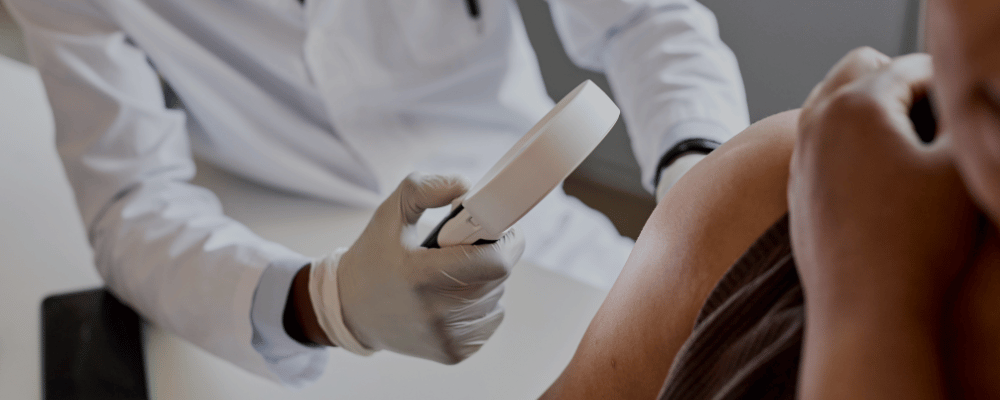
Getting dermatology treatment in South Korea is straightforward for international visitors. You book directly with a clinic, attend a consultation where a doctor assesses your skin, receive a personalized plan with clear pricing, and can often be treated the same day. The keys to a good experience are choosing a specialist-led clinic, planning your treatments around your travel dates, and following aftercare instructions closely.
1. Why Visitors Choose Korea for Skin Treatments
South Korea is known for advanced skin care and aesthetic dermatology. Seoul clinics often introduce new devices quickly, perform high treatment volumes, and focus on natural-looking results. Prices are frequently lower than in the United States, Europe or Australia, and many clinics are used to welcoming international patients.
- Wide choice of technology: ultrasound and radiofrequency lifting, lasers, skin boosters and injectables
- Efficient appointments: consultation and treatment can often happen on the same day
- Natural aesthetic: a focus on refreshed, healthy-looking skin rather than dramatic change
2. How Korean Dermatology Clinics Work
Most skin treatments in Korea are provided in private outpatient clinics rather than hospitals. Any licensed doctor may offer cosmetic treatments, but a board-certified dermatologist (피부과 전문의) has completed several additional years of specialist training in skin disease and treatment.
| Clinic type | What to expect |
|---|---|
| Dermatologist-led clinic | Specialist diagnosis, treatment planning and complication management by a skin specialist |
| General aesthetic clinic | Cosmetic treatments by licensed doctors who may not be dermatology specialists |
| Large chain clinic | Fast service and many locations; the doctor may change between visits |
Learn what specialist training means for your care on our board-certified dermatologist page.
3. Your Treatment Journey, Step by Step
- Research and booking: choose a clinic, check English support and book online or by messenger.
- Arrival and registration: bring your passport and fill in a health questionnaire.
- Skin analysis and consultation: the doctor examines your skin, sometimes with an imaging device, and discusses your goals.
- Treatment plan and price: you receive recommended treatments, the number of sessions and a clear quote.
- Consent and treatment: you review consent forms, then treatment begins, often the same day.
- Aftercare: you receive written instructions and know who to contact if you have concerns.
4. Common Treatments and What They Address
| Concern | Common treatment options |
|---|---|
| Sagging skin, jawline | Ultrasound lifting, radiofrequency tightening |
| Dullness, dehydration | Skin boosters, hydrating facials |
| Pigmentation, melasma | Low-energy laser toning, pico lasers |
| Acne and acne scars | Acne lasers, peels, microneedling, scar procedures |
| Volume loss | Dermal fillers, collagen stimulators |
| Redness, visible vessels | Vascular lasers, IPL |
The right option depends on your skin type, the cause of your concern and how much downtime your trip allows.
5. Practical Tips for International Patients
- Language: confirm whether the doctor speaks English or uses an interpreter. See our English-speaking dermatologist page for what to expect.
- Payment: most clinics accept international credit cards. Ask whether prices include VAT.
- Tax refunds: the VAT refund for foreign patients on cosmetic procedures ended on December 31, 2025, so cosmetic skin treatments currently do not qualify for a tourist tax refund. If you have any questions about payment or taxes, ask the clinic before you pay.
- Medical history: bring a list of medications, allergies and recent treatments.
- Photos: before-and-after photos help you and your doctor track results.
6. Recovery, Aftercare and Flying Home
Many treatments have little downtime, but every procedure has its own aftercare. Mild redness after lasers usually fades within hours to a few days. Swelling or bruising after injections can last several days.
- Use gentle cleansers, moisturizer and daily SPF
- Avoid saunas, alcohol and intense exercise for the period your doctor advises
- Keep the clinic's contact details and aftercare sheet with you
- Ask when it is safe to fly, especially after fillers or stronger lasers
FAQ
Do I need a referral to see a dermatologist in South Korea?
No. International visitors can book directly with a dermatology clinic. You do not need a referral from a doctor in your home country, although bringing notes about past treatments and medications is helpful.
Can I get dermatology treatment in Korea without speaking Korean?
Yes. Many clinics in Seoul, especially in Gangnam and Apgujeong, offer English consultations, translated price lists and consent forms. Confirm English support when you book.
How far in advance should I book a skin treatment in Seoul?
For popular clinics, booking one to two weeks ahead is common. If your dates are fixed, book earlier and ask whether same-day treatment after the consultation is possible.
Is it safe to get lasers or fillers right before flying home?
Many non-invasive treatments allow flying the next day, but swelling, bruising or redness can take longer to settle after fillers or stronger lasers. Plan major treatments early in your trip and ask your doctor about flight timing.
How do I know if a clinic is run by a dermatologist?
In Korea, clinics led by a certified dermatology specialist can use the word for dermatology (피부과) in their official name. You can also ask about the doctor's specialist certification during your consultation.
APGUJEONG · GANGNAM · SEOUL
Book Your Skin Consultation
A personal skin assessment and treatment plan for your stay in Seoul.
Book via WhatsApp English support availableReferences
- Korea Health Industry Development Institute (한국보건산업진흥원) — foreign patient and medical tourism information.
- Medical Service Act of Korea (의료법) — rules on clinic names and specialty display.
- Korean Dermatological Association (대한피부과학회) — patient information on dermatology care.
This article is for general information only and is not a substitute for a medical consultation. Results and suitability vary by individual.